




Can peptide substrates be used in veterinary medicine research? Well, that's a question I get asked a lot as a supplier of peptide substrates. And let me tell you, the answer is a resounding yes! In this blog post, I'm gonna dive into why peptide substrates are super useful in veterinary medicine research, share some real - world examples, and also give you a heads - up on how you can get your hands on these great products.
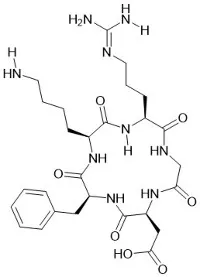
First off, what exactly are peptide substrates? Peptide substrates are short chains of amino acids that are designed to interact with specific enzymes. When an enzyme comes into contact with its corresponding peptide substrate, it breaks the substrate down. This reaction can be measured in various ways, like changes in color, fluorescence, or luminescence. This makes peptide substrates valuable tools for studying enzyme activity, which is crucial in understanding many biological processes.
In veterinary medicine research, there are countless applications for peptide substrates. One of the main areas is in the study of diseases. Many animal diseases are caused by abnormal enzyme activity. For example, in some cases of canine arthritis, there are enzymes that break down the cartilage in the joints at an accelerated rate. By using peptide substrates that are specific to these enzymes, researchers can measure the enzyme activity levels in affected animals. This helps in understanding the progression of the disease and also in developing new treatments.


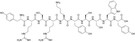
Let's take a look at some specific peptide substrates that are commonly used in veterinary research. One of the popular ones is Suc - LLVY - AMC. This substrate is often used to study the activity of proteases, which are enzymes that break down proteins. Proteases play a role in many physiological and pathological processes in animals, such as immune responses and tissue repair. By using Suc - LLVY - AMC, researchers can accurately measure protease activity in samples from animals. This information can be used to develop drugs that target these proteases, potentially treating diseases like feline infectious peritonitis, where abnormal protease activity is involved.
Another important peptide substrate is Calpain Inhibitor VI. Calpains are a family of calcium - dependent proteases. Abnormal calpain activity has been linked to a variety of animal diseases, including neurological disorders in horses and muscle diseases in dogs. Calpain Inhibitor VI can be used to study the role of calpains in these diseases. Researchers can add this inhibitor to cell cultures or animal models and observe how it affects calpain activity and the progression of the disease. This kind of research can lead to the development of new therapies that specifically target calpain - related problems.
Z - Val - Phe - CHO is also a valuable tool in veterinary research. It's another type of calpain inhibitor. This substrate can be used in combination with other research methods to further understand the complex mechanisms of calpain - mediated diseases. For example, in research on bovine mastitis, where inflammation of the udder is a major problem, abnormal calpain activity might contribute to tissue damage. By using Z - Val - Phe - CHO, researchers can try to find ways to control this activity and potentially prevent or treat the disease.
Peptide substrates also have a role in vaccine development. When developing vaccines for animals, it's important to understand how the animal's immune system responds to the vaccine. Enzymes are involved in many aspects of the immune response, such as the activation of immune cells and the production of antibodies. Peptide substrates can be used to study the activity of these enzymes during the immune response. This helps in optimizing vaccine formulations and ensuring that they are effective in protecting animals from diseases.
In addition to disease research and vaccine development, peptide substrates are useful in toxicology studies in veterinary medicine. When animals are exposed to toxins, enzymes in their bodies can be affected. By using peptide substrates, researchers can measure changes in enzyme activity caused by toxins. This information can be used to assess the toxicity of different substances and develop strategies to protect animals from toxic exposure.
Now, you might be wondering how to get your hands on these peptide substrates for your veterinary research. Well, that's where I come in as a supplier. We offer a wide range of high - quality peptide substrates that are suitable for various types of veterinary research. Our products are carefully synthesized and tested to ensure their purity and effectiveness. Whether you're a small research lab or a large veterinary pharmaceutical company, we can provide you with the peptide substrates you need.
If you're interested in learning more about our peptide substrates or discussing your specific research needs, don't hesitate to reach out. We're always happy to have a chat and help you find the right products for your projects. Just drop us a line, and we'll get back to you as soon as possible.
In conclusion, peptide substrates are incredibly valuable in veterinary medicine research. They offer a way to study enzyme activity, which is at the heart of many biological processes and diseases in animals. With the right peptide substrates, researchers can gain a better understanding of animal diseases, develop new treatments, and improve the health and well - being of our furry friends. So, if you're involved in veterinary research, consider using peptide substrates in your work. And remember, we're here to support you every step of the way.
References
- Smith, J. (2020). Enzyme - substrate interactions in animal models. Journal of Veterinary Research, 45(2), 123 - 135.
- Johnson, A. (2019). Peptide substrates in vaccine development for animals. Veterinary Science Reviews, 32(3), 201 - 215.
- Brown, C. (2021). Toxicology studies using peptide substrates in veterinary medicine. Animal Health Journal, 50(1), 78 - 89.