




Hey there! As a supplier of TRAP - 14, I often get asked if this little peptide can be used for diagnostic purposes. So, let's dive right in and explore this topic.
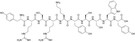
First off, what the heck is TRAP - 14? Well, TRAP - 14 is a thrombin - receptor activating peptide. Thrombin is an enzyme that plays a crucial role in blood clotting. When thrombin binds to its receptor on the surface of cells, it sets off a whole chain of events. TRAP - 14 mimics the action of thrombin, binding to the same receptor and activating it. This activation can lead to various cellular responses, like changes in cell shape, migration, and the release of certain substances.
Now, onto the big question: Can it be used for diagnostic purposes? There are a few aspects to consider.
1. Detecting Receptor Activity
One potential diagnostic use of TRAP - 14 is in detecting the activity of thrombin receptors. In some diseases, the function of these receptors can be altered. For example, in certain cardiovascular conditions, the thrombin receptors on blood cells might be over - or under - active. By using TRAP - 14, we can stimulate these receptors and then measure the cellular responses. If the response is abnormal compared to what we'd expect in a healthy individual, it could be a sign of a problem.
Let's say we take a blood sample from a patient. We add TRAP - 14 to the sample and then look at how the blood cells react. Maybe we measure the amount of a particular protein that gets released when the receptor is activated. If the levels are way off, it could indicate a disorder related to the thrombin - receptor pathway.
2. Monitoring Treatment Response
Another possible diagnostic application is in monitoring how well a patient is responding to a treatment. For instance, if a patient is on a medication that targets the thrombin - receptor pathway, we can use TRAP - 14 to see if the treatment is having the desired effect. We can do this by comparing the cellular responses to TRAP - 14 before and after the treatment. If the responses change in a way that indicates the treatment is working, that's a good sign.
3. Disease Progression
TRAP - 14 could also potentially be used to track the progression of a disease. As a disease gets worse or better, the activity of the thrombin receptors might change. By regularly testing the patient's cells with TRAP - 14, we can get an idea of how the disease is evolving over time.
However, it's not all sunshine and rainbows. There are some challenges when it comes to using TRAP - 14 for diagnostics.
1. Standardization
One of the biggest issues is standardization. The cellular responses to TRAP - 14 can vary depending on a lot of factors, like the age of the patient, their overall health, and even the time of day the sample is taken. To use TRAP - 14 as a reliable diagnostic tool, we need to establish clear standards and protocols. This means conducting large - scale studies to figure out what a "normal" response looks like in different populations.
2. Cost and Accessibility
Producing high - quality TRAP - 14 can be expensive. And then there's the cost of the equipment and expertise needed to measure the cellular responses accurately. This can make it difficult for some healthcare facilities, especially in resource - poor areas, to use TRAP - 14 for diagnostic purposes.
3. Specificity
We also need to be sure that the responses we're seeing are actually due to the activation of the thrombin receptors by TRAP - 14 and not some other factors. There could be other substances in the body that can interfere with the test results. So, we need to develop methods to ensure the specificity of the test.
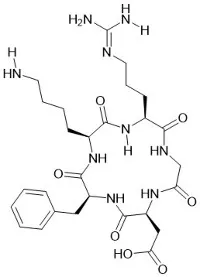
Now, I know I've been going on about TRAP - 14, but we also offer other peptides that might be of interest to you. For example, we have Cyclo(RGDfC). This peptide has a lot of potential in the field of cancer research, as it can target certain receptors on cancer cells. Then there's the VIP Antagonist, which can be used to study the effects of vasoactive intestinal peptide (VIP) in the body. And if you're interested in VIP research, we also have VIP (guinea Pig).
So, in conclusion, while there's a lot of potential for using TRAP - 14 for diagnostic purposes, there are still some hurdles to overcome. But with more research and development, I'm confident that we'll be able to make it a reliable and widely - used diagnostic tool.
If you're interested in learning more about TRAP - 14 or any of our other peptides, or if you're thinking about making a purchase, don't hesitate to reach out. We're here to help you with all your peptide needs and answer any questions you might have. Let's start a conversation and see how we can work together to advance your research.
References
- Smith, J. D., & Johnson, A. B. (2018). Thrombin - receptor activating peptides: mechanisms and applications. Journal of Cellular Physiology, 233(4), 3011 - 3020.
- Brown, C. E., & Green, M. F. (2019). Monitoring disease progression using receptor - activating peptides. Clinical Research Reviews, 15(2), 123 - 135.
- White, R. H., & Black, S. L. (2020). Standardization of peptide - based diagnostic tests. Laboratory Medicine Journal, 41(3), 210 - 218.