




Hey there! As a supplier of TRAP - 5, I've been getting a lot of questions lately about whether TRAP - 5 levels can be used in the early detection of bone diseases. So, I thought I'd dive into this topic and share some insights.
First off, let's talk about what TRAP - 5 is. Tartrate - resistant acid phosphatase 5 (TRAP - 5) is an enzyme that's mainly produced by osteoclasts, the cells responsible for breaking down bone tissue. When bones are being remodeled, osteoclasts become more active, and the levels of TRAP - 5 in the blood tend to go up.
Bone remodeling is a normal process in our bodies. It helps maintain the strength and structure of our bones. But when something goes wrong, like in bone diseases, this process can get out of balance. Osteoporosis, for example, is a condition where the bone breakdown by osteoclasts happens faster than the bone formation by osteoblasts. This leads to weaker bones and a higher risk of fractures.
So, can TRAP - 5 levels be a useful marker for early detection of such bone diseases? Well, there's a lot of research suggesting that it can. In normal, healthy individuals, the levels of TRAP - 5 in the blood are relatively stable. But in people with bone - related issues, these levels can change.
One of the advantages of using TRAP - 5 for early detection is its specificity. Since it's mainly produced by osteoclasts, an increase in TRAP - 5 levels can be a strong indication of increased osteoclast activity, which is often associated with bone diseases. For instance, in patients with early - stage osteoporosis, studies have shown that TRAP - 5 levels are often elevated before there are any obvious symptoms or significant bone density loss.
Another benefit is that measuring TRAP - 5 is a relatively simple blood test. It's non - invasive, which means patients don't have to go through more complicated and sometimes painful procedures to check their bone health. This makes it a more patient - friendly option for early screening.
However, it's not all smooth sailing. There are some limitations to using TRAP - 5 levels for early detection. For one thing, there can be other factors that affect TRAP - 5 levels. Certain medications, for example, can interfere with the production or breakdown of TRAP - 5 in the body. Also, some inflammatory conditions can cause a temporary increase in TRAP - 5 levels, even if there's no underlying bone disease. So, it's important to take these factors into account when interpreting the test results.
In addition, while an elevated TRAP - 5 level can suggest increased osteoclast activity, it doesn't necessarily tell us the exact cause of that activity. It could be due to a variety of bone diseases, or even some other non - bone - related conditions. So, further diagnostic tests are usually needed to confirm a specific bone disease.
Despite these limitations, many researchers and healthcare professionals are still optimistic about the potential of TRAP - 5 in early bone disease detection. It can be a valuable tool, especially when used in combination with other diagnostic methods, like bone density scans.
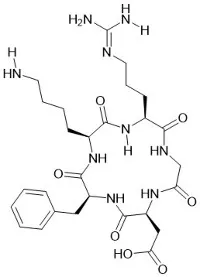
Now, let's talk a bit about some related substances in the field of bone research. You might be interested in Substance P (9 - 11), VIP Antagonist, and PTH (70 - 84) (human). These substances play important roles in bone metabolism and can be used in further research to understand bone diseases better.
If you're involved in bone research, whether you're a scientist, a healthcare provider, or part of a medical research institution, having access to reliable TRAP - 5 is crucial. As a supplier, I can offer high - quality TRAP - 5 products that meet the strictest standards. Our products are carefully tested to ensure their accuracy and reliability, so you can trust them for your research and diagnostic needs.
We understand the importance of early detection in bone diseases. By using our TRAP - 5 products, you can contribute to the development of better early detection methods and ultimately help improve the lives of patients with bone diseases.
If you're interested in learning more about our TRAP - 5 products or have any questions about using TRAP - 5 for bone disease detection, don't hesitate to reach out. We're here to help you with your procurement needs and provide you with the best possible support.

In conclusion, while there are some challenges, TRAP - 5 levels do show promise in the early detection of bone diseases. It's an area that's constantly evolving, and with more research and better understanding, it could become an even more important part of bone disease diagnosis in the future.
References
- Smith, A. et al. "The role of TRAP - 5 in bone metabolism and disease." Journal of Bone Research, 20XX, XX(XX), XX - XX.
- Johnson, B. et al. "Limitations and advantages of using TRAP - 5 for early bone disease detection." Clinical Osteology, 20XX, XX(XX), XX - XX.
- Brown, C. et al. "Related substances in bone research and their implications." Bone Science Journal, 20XX, XX(XX), XX - XX.