




Can Tuftsin be used as an adjuvant in cancer treatment?
Cancer remains one of the most challenging diseases in the world today, with countless researchers and medical professionals striving to find more effective treatment methods. In recent years, the potential of various peptides in cancer treatment has drawn increasing attention. As a supplier of Tuftsin, I have been closely following the research and application of this peptide in the field of oncology. In this blog, I will explore whether Tuftsin can be used as an adjuvant in cancer treatment.
Understanding Tuftsin
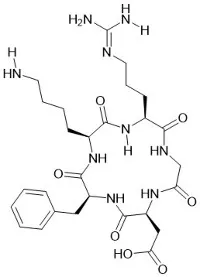
Tuftsin is a tetrapeptide with the amino - acid sequence Thr - Lys - Pro - Arg. It was first discovered in the spleen and is an important component of the immune system. Tuftsin can activate phagocytic cells such as macrophages and neutrophils, enhancing their ability to engulf and destroy foreign particles, including cancer cells.
The activation mechanism of Tuftsin mainly involves binding to specific receptors on the surface of phagocytic cells. Once bound, it triggers a series of intracellular signaling pathways, leading to an increase in the motility, chemotaxis, and phagocytic activity of these cells. This enhanced immune response is crucial in the body's fight against cancer, as the immune system plays a central role in recognizing and eliminating tumor cells.
The Role of Adjuvants in Cancer Treatment
Adjuvants in cancer treatment are substances that can enhance the effectiveness of primary cancer therapies, such as chemotherapy, radiotherapy, or immunotherapy. They work by modulating the immune system, improving the delivery of therapeutic agents to tumor sites, or reducing the side - effects of treatment.
For example, some adjuvants can stimulate the production of cytokines, which are small proteins that play a key role in cell - to - cell communication in the immune system. By increasing cytokine production, adjuvants can boost the overall immune response against cancer cells. Other adjuvants may help to target therapeutic drugs more specifically to tumor cells, reducing damage to healthy tissues and improving the efficacy of treatment.
Evidence for Tuftsin as an Adjuvant in Cancer Treatment
Numerous pre - clinical studies have shown promising results regarding the potential of Tuftsin as an adjuvant in cancer treatment.
Immune Enhancement
In in vitro studies, Tuftsin has been shown to significantly enhance the phagocytic activity of macrophages against cancer cells. Macrophages are important immune cells that can recognize and engulf tumor cells. When treated with Tuftsin, the ability of macrophages to phagocytose cancer cells is greatly improved. This increased phagocytic activity can lead to a more efficient elimination of tumor cells in the body.
Moreover, Tuftsin can also stimulate the production of cytokines such as interleukin - 1 (IL - 1), interleukin - 6 (IL - 6), and tumor necrosis factor - alpha (TNF - α). These cytokines play important roles in activating other immune cells, such as T - cells and natural killer (NK) cells. By promoting the production of these cytokines, Tuftsin can enhance the overall anti - tumor immune response.
Combination with Chemotherapy
Some studies have investigated the combination of Tuftsin with chemotherapy drugs. Chemotherapy is a common treatment for cancer, but it often has significant side - effects and may not be effective against all types of cancer cells. When Tuftsin is used in combination with chemotherapy drugs, it can enhance the anti - tumor effect of these drugs.
Tuftsin can increase the sensitivity of cancer cells to chemotherapy drugs by improving the immune response against them. Additionally, it may help to reduce the side - effects of chemotherapy by protecting normal cells from the toxic effects of the drugs. For example, it can prevent the suppression of the immune system that often occurs during chemotherapy, allowing the body to better tolerate the treatment.
Combination with Immunotherapy
Immunotherapy is a rapidly developing field in cancer treatment, which aims to activate the body's own immune system to fight cancer. Tuftsin can act as an adjuvant in immunotherapy by enhancing the function of immune cells involved in the process.
For instance, in cancer vaccines, which are a form of immunotherapy, Tuftsin can be used to improve the immune response to the vaccine antigens. It can help to activate antigen - presenting cells, such as dendritic cells, which are crucial for initiating an immune response against cancer cells. By enhancing the function of these cells, Tuftsin can increase the effectiveness of cancer vaccines.
Challenges and Limitations
Although the pre - clinical evidence for Tuftsin as an adjuvant in cancer treatment is promising, there are still several challenges and limitations that need to be addressed.
Delivery and Stability
One of the main challenges is the delivery of Tuftsin to the target sites in the body. Peptides like Tuftsin can be easily degraded in the body, and their half - life is relatively short. Therefore, developing effective delivery systems to ensure that Tuftsin reaches the tumor site in sufficient concentrations is crucial. Some potential delivery methods include encapsulation in liposomes or nanoparticles, which can protect the peptide from degradation and improve its bioavailability.
Clinical Translation
Translating the pre - clinical findings of Tuftsin as an adjuvant in cancer treatment to clinical applications is also a significant challenge. Clinical trials are required to evaluate the safety and efficacy of Tuftsin in human patients. These trials need to be carefully designed, taking into account factors such as the dosage, administration route, and combination with other cancer therapies.
Other Related Peptides in Cancer Research
In addition to Tuftsin, there are other peptides that are also being investigated for their potential in cancer treatment. For example, TRAP - 5, Proctolin, and PTH (70 - 84) (human) are peptides that have shown certain biological activities in cancer - related studies. These peptides may have different mechanisms of action compared to Tuftsin, but they all contribute to the growing field of peptide - based cancer therapies.
Conclusion
In conclusion, Tuftsin shows great potential as an adjuvant in cancer treatment. Its ability to enhance the immune response, improve the efficacy of chemotherapy and immunotherapy, and its relatively low toxicity make it an attractive candidate for further research and development. However, more studies, especially well - designed clinical trials, are needed to fully evaluate its safety and efficacy in human patients.
As a Tuftsin supplier, I am committed to providing high - quality Tuftsin products for researchers and medical professionals in the field of cancer research. If you are interested in exploring the potential of Tuftsin in your cancer research projects or are considering its use as an adjuvant in cancer treatment, I encourage you to contact me for more information and to discuss potential procurement and collaboration opportunities.
References
- Najjar VM. Tuftsin: discovery, structure, and function. Adv Exp Med Biol. 1983;160:1 - 15.
- Sulkowski E, et al. Tuftsin: a natural activator of phagocytic cells. Int J Biochem. 1984;16(10):1129 - 1134.
- Fidler IJ, et al. Modulation of natural killer cell activity by tuftsin. J Natl Cancer Inst. 1980;64(3):717 - 722.
- Tzehoval E, et al. Tuftsin: a possible adjuvant for cancer immunotherapy. Cancer Immunol Immunother. 1983;16(1):1 - 6.