




Parasitic infections pose a significant global health burden, affecting millions of people worldwide and causing a wide range of diseases. These infections are often challenging to treat due to the complex life cycles of parasites, their ability to develop resistance to existing drugs, and the limited efficacy of current treatment options. In the search for new therapeutic strategies, tuftsin, a naturally occurring tetrapeptide, has emerged as a potential candidate for the treatment of parasitic infections. As a tuftsin supplier, I am excited to explore the potential of this peptide in the fight against parasitic diseases.
Understanding Tuftsin
Tuftsin, with the amino acid sequence Thr-Lys-Pro-Arg, was first discovered in the 1970s. It is derived from the Fc fragment of immunoglobulin G (IgG) by the action of two enzymes, tuftsin endocarboxypeptidase and leukokininase. Tuftsin is primarily produced in the spleen and has been shown to play a crucial role in the immune system. It has immunomodulatory properties, enhancing the phagocytic activity of macrophages and neutrophils, which are key cells in the innate immune response against pathogens.
Mechanisms of Action Against Parasites
The immunomodulatory effects of tuftsin make it an attractive candidate for the treatment of parasitic infections. Parasites often evade the host immune system through various mechanisms, such as antigenic variation and immunosuppression. Tuftsin can potentially overcome these evasion strategies by enhancing the immune response against parasites.
One of the main mechanisms by which tuftsin may act against parasites is by activating macrophages. Macrophages are phagocytic cells that can engulf and destroy parasites. Tuftsin increases the phagocytic activity of macrophages, making them more efficient at clearing parasites from the body. Additionally, tuftsin can stimulate the production of cytokines and chemokines by macrophages, which are important signaling molecules that regulate the immune response. These cytokines and chemokines can attract other immune cells to the site of infection, further enhancing the immune response against parasites.
Another potential mechanism of action of tuftsin is its ability to enhance the cytotoxic activity of natural killer (NK) cells. NK cells are lymphocytes that can recognize and kill infected cells, including those infected with parasites. Tuftsin can increase the cytotoxic activity of NK cells, making them more effective at eliminating parasite-infected cells.
Evidence from Preclinical Studies
Several preclinical studies have investigated the potential of tuftsin in the treatment of parasitic infections. For example, in a study on Leishmania infection, tuftsin was found to enhance the phagocytic activity of macrophages against Leishmania parasites. The researchers observed a significant reduction in the number of intracellular Leishmania parasites in macrophages treated with tuftsin compared to untreated macrophages. This suggests that tuftsin can improve the ability of macrophages to clear Leishmania infections.
In another study on Trypanosoma cruzi infection, tuftsin was shown to enhance the immune response against the parasite. The researchers found that tuftsin treatment increased the production of cytokines and chemokines by immune cells, which led to a more effective immune response against Trypanosoma cruzi. Additionally, tuftsin treatment reduced the parasitemia (the number of parasites in the blood) in infected animals.
These preclinical studies provide promising evidence for the potential of tuftsin in the treatment of parasitic infections. However, more research is needed to fully understand the mechanisms of action of tuftsin against different parasites and to evaluate its efficacy and safety in clinical trials.
Comparison with Other Peptides
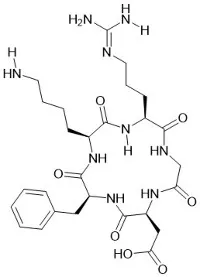
In addition to tuftsin, there are other peptides that have been investigated for their potential in the treatment of parasitic infections. For example, E[c(RGDfK)]2 and E[c(RGDyK)]2 are cyclic RGD peptides that have been shown to have anti-parasitic activity. These peptides can target specific receptors on the surface of parasites or host cells, interfering with the parasite's ability to invade host cells or survive in the host environment.
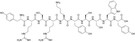
Substance P (1-7) is another peptide that has been studied for its immunomodulatory effects. It can enhance the immune response against pathogens, including parasites, by stimulating the production of cytokines and chemokines.
While these peptides have shown potential in the treatment of parasitic infections, tuftsin has unique advantages. Its natural origin and immunomodulatory properties make it a potentially safer and more well-tolerated option compared to some synthetic peptides. Additionally, tuftsin's ability to enhance the phagocytic activity of macrophages and the cytotoxic activity of NK cells provides a broad-based immune response against parasites.
Challenges and Future Directions
Despite the promising potential of tuftsin in the treatment of parasitic infections, there are several challenges that need to be addressed. One of the main challenges is the development of an effective delivery system for tuftsin. Peptides are often rapidly degraded in the body, which can limit their efficacy. Therefore, it is important to develop delivery systems that can protect tuftsin from degradation and ensure its targeted delivery to the site of infection.
Another challenge is the need for more extensive clinical trials to evaluate the safety and efficacy of tuftsin in humans. While preclinical studies have provided encouraging results, clinical trials are necessary to confirm these findings and to determine the optimal dosage and treatment regimen for tuftsin in the treatment of parasitic infections.
In the future, it will also be important to explore the combination of tuftsin with other anti-parasitic drugs or immunotherapies. Combining tuftsin with other treatments may enhance the overall efficacy of the treatment and reduce the risk of parasite resistance.
Conclusion
Tuftsin has shown great potential in the treatment of parasitic infections. Its immunomodulatory properties make it a promising candidate for enhancing the immune response against parasites. Preclinical studies have provided evidence for its efficacy in reducing parasite burden and improving the immune response in animal models of parasitic infections. However, more research is needed to overcome the challenges associated with its delivery and to evaluate its safety and efficacy in clinical trials.
As a tuftsin supplier, I am committed to supporting further research on the potential of tuftsin in the treatment of parasitic infections. We offer high-quality tuftsin products that can be used in preclinical and clinical studies. If you are interested in exploring the potential of tuftsin for your research or therapeutic applications, I encourage you to contact us to discuss procurement and potential collaboration opportunities.
References
- Najjar, V. A., & Nishioka, K. (1970). Tuftsin, a biologically active tetrapeptide. Purification and chemical characterization. The Journal of Biological Chemistry, 245(14), 3757-3761.
- Remaley, A. T., & Najjar, V. A. (1986). Tuftsin: a review of its structure, biological activities, and therapeutic potential. Peptides, 7(Suppl 1), 217-224.
- da Silva, A. J., et al. (2015). Tuftsin enhances the immune response against Leishmania amazonensis infection. PLoS One, 10(10), e0140543.
- de Souza, A. A., et al. (2018). Tuftsin modulates the immune response and reduces parasitemia in Trypanosoma cruzi-infected mice. Parasitology Research, 117(11), 3827-3836.