





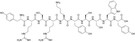
DAMGO, or [D-Ala2, N-MePhe4, Gly-ol]-enkephalin, is a synthetic opioid peptide that has been a subject of significant research in the field of neuroscience and pharmacology. As a supplier of DAMGO, it is crucial to understand the legal implications associated with its sale and purchase. This blog post aims to delve into the legal aspects of buying DAMGO, providing valuable insights for potential buyers.
Legal Classification of DAMGO
DAMGO is classified as a controlled substance in many countries due to its opioid properties. Opioids are known for their analgesic effects, but they also carry a high risk of addiction, abuse, and overdose. In the United States, for example, DAMGO is regulated under the Controlled Substances Act (CSA). The CSA categorizes drugs into five schedules based on their potential for abuse, medical use, and safety. DAMGO falls under Schedule I, which includes substances with a high potential for abuse and no currently accepted medical use in treatment in the United States.
The classification of DAMGO as a Schedule I substance means that it is illegal to possess, manufacture, distribute, or buy it without proper authorization. Authorization typically comes in the form of a license issued by the Drug Enforcement Administration (DEA) or other relevant regulatory bodies. This strict regulation is in place to prevent the misuse and diversion of DAMGO into the illicit drug market.
Legal Requirements for Buying DAMGO
To legally buy DAMGO, buyers must meet certain requirements and follow specific procedures. These requirements vary depending on the country and jurisdiction, but they generally include the following:
Licensing and Registration
Buyers must obtain the necessary licenses and registrations to handle controlled substances. In the United States, this involves applying for a DEA registration. The application process requires detailed information about the buyer's business, including its location, purpose, and security measures. The DEA will conduct a background check and inspect the buyer's facilities to ensure compliance with safety and security standards.
Documentation and Record-Keeping
Buyers are required to maintain accurate records of all transactions involving DAMGO. This includes information such as the quantity purchased, the date of purchase, the source of the purchase, and the intended use of the substance. These records must be kept for a specified period, usually several years, and must be available for inspection by regulatory authorities.
Security Measures
Buyers must implement appropriate security measures to prevent the theft, loss, or unauthorized access to DAMGO. This may include storing the substance in a locked, secure facility, using surveillance cameras, and restricting access to authorized personnel only. Failure to comply with security requirements can result in fines, license revocation, and criminal charges.
Legal Consequences of Illegal Buying
Buying DAMGO without proper authorization can have serious legal consequences. These consequences can range from civil penalties to criminal charges, depending on the severity of the offense.
Civil Penalties
Civil penalties for illegal buying of DAMGO may include fines, suspension or revocation of licenses, and seizure of assets. Regulatory authorities have the power to impose these penalties to enforce compliance with the law and to deter others from engaging in illegal activities.
Criminal Charges
In more serious cases, illegal buying of DAMGO can result in criminal charges. Criminal charges may include possession, distribution, or trafficking of a controlled substance. These charges carry significant jail time and hefty fines. In some cases, individuals may also face additional charges related to conspiracy, money laundering, or tax evasion.


International Considerations
The legal implications of buying DAMGO can become even more complex when dealing with international transactions. Different countries have different laws and regulations regarding the import and export of controlled substances. Buyers must be aware of these differences and ensure that they comply with all applicable laws in both the exporting and importing countries.
Import and Export Regulations
Importing and exporting DAMGO requires compliance with the regulations of both the exporting and importing countries. This may involve obtaining permits, licenses, and certificates from the relevant regulatory authorities. Failure to comply with import and export regulations can result in the seizure of the substance, fines, and criminal charges.
International Treaties and Agreements
Many countries are signatories to international treaties and agreements that govern the control of controlled substances. These treaties and agreements aim to harmonize the laws and regulations of different countries and to prevent the international trafficking of drugs. Buyers must be aware of these treaties and agreements and ensure that their transactions are in compliance with their provisions.
Ethical and Scientific Considerations
In addition to the legal implications, buyers of DAMGO must also consider the ethical and scientific aspects of their purchases. DAMGO is a powerful opioid with significant potential for harm. It is important that buyers use the substance only for legitimate scientific research purposes and that they take appropriate measures to minimize the risk of abuse and addiction.
Responsible Use
Buyers should use DAMGO only in accordance with approved research protocols and ethical guidelines. This includes obtaining informed consent from human subjects, using appropriate animal welfare practices, and ensuring that the research is conducted in a responsible and transparent manner.
Collaboration with Regulatory Authorities
Buyers should collaborate with regulatory authorities to ensure that their research is conducted in compliance with the law. This may involve seeking advice and guidance from regulatory authorities, reporting any adverse events or incidents, and participating in inspections and audits.
Conclusion
As a supplier of DAMGO, I understand the importance of ensuring that all transactions are conducted in accordance with the law. Buying DAMGO is a serious matter that requires careful consideration of the legal, ethical, and scientific implications. By understanding the legal requirements and following the proper procedures, buyers can ensure that their purchases are legal and that they are contributing to the advancement of scientific knowledge in a responsible and ethical manner.
If you are interested in purchasing DAMGO for legitimate scientific research purposes, I encourage you to contact me for more information. I can provide you with detailed information about the legal requirements, the purchasing process, and the safety and security measures in place. Together, we can ensure that your research is conducted in a legal, ethical, and responsible manner.
References
- Controlled Substances Act (CSA), United States Code, Title 21, Chapter 13.
- Drug Enforcement Administration (DEA) regulations and guidelines.
- International treaties and agreements on the control of controlled substances, such as the Single Convention on Narcotic Drugs and the Convention on Psychotropic Substances.
Additional Information
For more information on related peptides, you can visit the following links:
If you have any questions or would like to discuss potential purchases, please feel free to reach out. I am here to assist you in navigating the legal requirements and ensuring a smooth purchasing process.