




Amino acids are the building blocks of proteins and play numerous crucial roles in the human body. One of the fascinating aspects of amino acids is their potential involvement in the production of melanin. Melanin is a pigment responsible for the color of our skin, hair, and eyes. It also provides protection against ultraviolet (UV) radiation and has antioxidant properties. In this blog post, we will explore whether amino acids play a role in the production of melanin and how our company, as an amino acids supplier, can contribute to this area.
Understanding Melanin Production
Melanin is produced by specialized cells called melanocytes, which are located in the basal layer of the epidermis, hair follicles, and other parts of the body. There are two main types of melanin: eumelanin, which is brown - black in color, and pheomelanin, which is red - yellow. The production of melanin is a complex process that involves several enzymes and biochemical reactions.
The key enzyme in melanin synthesis is tyrosinase. Tyrosinase catalyzes the hydroxylation of the amino acid tyrosine to L - 3,4 - dihydroxyphenylalanine (L - DOPA) and then the oxidation of L - DOPA to dopaquinone. Dopaquinone can then undergo a series of reactions to form either eumelanin or pheomelanin, depending on the availability of certain co - factors and the cellular environment.
The Role of Amino Acids in Melanin Production
Tyrosine
Tyrosine is the primary amino acid involved in melanin production. As mentioned earlier, it is the substrate for tyrosinase. Without an adequate supply of tyrosine, the synthesis of melanin would be severely impaired. Dietary intake of tyrosine or its precursor phenylalanine is essential for maintaining normal melanin levels. Phenylalanine can be converted to tyrosine by the enzyme phenylalanine hydroxylase. In cases where there is a deficiency of this enzyme, as in phenylketonuria, the conversion of phenylalanine to tyrosine is blocked, which can lead to decreased melanin production and fairer skin, hair, and eye color.
Other Amino Acids
While tyrosine is the central amino acid in melanin synthesis, other amino acids may also have an indirect impact. For example, cysteine can react with dopaquinone to form cysteinyldopa, which is a precursor of pheomelanin. Thus, the availability of cysteine can influence the ratio of eumelanin to pheomelanin production.
Moreover, amino acids are important for the overall health and function of melanocytes. They are needed for the synthesis of proteins, enzymes, and other biomolecules that are involved in the regulatory processes of melanin production. For instance, proteins such as transcription factors that control the expression of tyrosinase are made up of amino acids.
Our Company's Offerings as an Amino Acids Supplier
As an amino acids supplier, we offer a wide range of high - quality amino acids that can potentially support melanin production. Our tyrosine products are of pharmaceutical grade, ensuring purity and bioavailability. This means that they can be effectively utilized by the body for melanin synthesis.
We also provide other amino acids such as cysteine, which can be used in research related to the modulation of melanin types. In addition to individual amino acids, we offer custom - formulated amino acid blends that can be tailored to specific research or industrial needs.
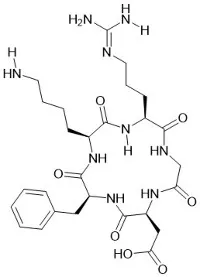
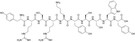
For those interested in more advanced research related to melanin production and amino acids, we also supply related peptides. For example, Syntide 2 can be used in enzyme activity assays, which may be relevant in understanding the role of enzymes like tyrosinase in melanin synthesis. Another product, tBuO - Ste - Glu(OtBu) - AEEA - AEEA - OSU, can be used in peptide synthesis research that may contribute to the development of new compounds for regulating melanin production. And MOG (35 - 55), Mouse, Rat can be used in immunological research that may be related to the overall health and function of melanocytes.
Applications of Amino Acids in Melanin - Related Industries
Cosmetics
The cosmetics industry is constantly looking for ways to enhance or regulate melanin production. For example, products for skin whitening aim to inhibit melanin synthesis, while products for tanning aim to promote it. Amino acids can be used as active ingredients or in the formulation of these products. Our amino acids can be incorporated into cosmetic formulations to develop more effective and natural - based products.


Pharmaceutical
In the pharmaceutical field, understanding the role of amino acids in melanin production can lead to the development of new drugs for conditions related to abnormal melanin production, such as vitiligo (a condition characterized by loss of melanocytes) and melanoma (a type of skin cancer related to melanocytes). Our high - quality amino acids can be used in pre - clinical and clinical research to explore these potential therapeutic applications.
How to Source Our Amino Acids
If you are a researcher, a cosmetic formulator, or a pharmaceutical company interested in our amino acids for melanin - related research or product development, we are here to help. Our team of experts can provide you with detailed information about our products, including their specifications, usage guidelines, and technical support.
We understand the importance of quality and reliability in the supply of amino acids. That's why we have strict quality control measures in place throughout the production process. From raw material sourcing to final product packaging, every step is carefully monitored to ensure that you receive the best - quality amino acids.
We also offer flexible packaging options to meet your specific requirements. Whether you need small - scale samples for research or large - scale bulk orders for industrial production, we can accommodate your needs.
If you are interested in starting a procurement discussion, please reach out to us. We are eager to discuss how our amino acids can meet your specific needs and contribute to your research or product development in the area of melanin production.
Conclusion
Amino acids, particularly tyrosine, play a fundamental role in the production of melanin. The availability of these amino acids can influence the quantity and type of melanin produced. As an amino acids supplier, we are committed to providing high - quality products that can support research and development in the field of melanin production. Our diverse range of amino acids and related peptides can be valuable resources for various industries, including cosmetics and pharmaceuticals. If you are interested in exploring the potential of our products, don't hesitate to contact us for a procurement discussion.
References
- Hearing VJ, Tsukamoto K. Enzymatic control of pigmentation in mammals. FASEB J. 1991;5(12):2902 - 2909.
- Slominski A, Tobin DJ, Shibahara S, Wortsman J. Melanin pigmentation in mammalian skin and its hormonal regulation. Physiol Rev. 2004;84(3):1155 - 1228.
- Ozeki H, Watanabe S, Kameyama K, et al. Role of amino acids in the regulation of melanogenesis. Pigment Cell Res. 2002;15(6):415 - 420.