




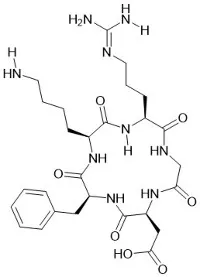
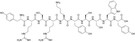
Hey there! As a supplier of cosmetic peptides, I often get asked about the various properties of these little wonders, especially when it comes to their anti - inflammatory potential. So, let's dive right in and explore if cosmetic peptides have any anti - inflammatory properties.
First off, what are cosmetic peptides? Peptides are short chains of amino acids, the building blocks of proteins. In the world of cosmetics, they're used for a variety of reasons, from reducing wrinkles to improving skin texture. But can they also help with inflammation?
There's a growing body of research that suggests many cosmetic peptides do indeed have anti - inflammatory properties. Inflammation in the skin can be caused by a whole bunch of things, like UV exposure, pollution, and even stress. And it can lead to all sorts of problems, such as redness, swelling, and irritation. That's where these peptides come in.
Let's talk about some specific peptides. One of them is Decapeptide - 12 CAS 137665 - 91 - 9. This peptide has shown promise in reducing inflammation. It works by interacting with the skin's cells and signaling pathways. When the skin is inflamed, certain immune cells are activated, and they release chemicals that cause redness and swelling. Decapeptide - 12 can help regulate these immune responses, calming down the inflammation.


Another interesting peptide is Tetrapeptide - 30 CAS 1036207 - 61 - 0. This one has been studied for its ability to modulate the production of cytokines. Cytokines are small proteins that play a big role in the immune response and inflammation. By regulating cytokine production, Tetrapeptide - 30 can help keep the skin's immune system in check and reduce the signs of inflammation.
Then there's A - MSH CAS 581 - 05 - 5. A - MSH is a naturally occurring peptide in the body. It has been found to have anti - inflammatory effects in the skin. It can inhibit the production of pro - inflammatory mediators and promote the release of anti - inflammatory ones. This helps to soothe the skin and reduce redness and irritation.
But how do these peptides actually work at a cellular level? Well, they interact with receptors on the surface of skin cells. When a peptide binds to a receptor, it can trigger a series of biochemical reactions inside the cell. These reactions can lead to changes in gene expression, which in turn can affect the production of proteins involved in the inflammatory response.
For example, some peptides can activate genes that produce anti - inflammatory proteins. Others can inhibit the genes that are responsible for producing pro - inflammatory proteins. This way, they can help to shift the balance in the skin from an inflamed state to a more balanced, healthy state.
Now, it's important to note that the effectiveness of these peptides can vary depending on a few factors. The concentration of the peptide in the product is crucial. If the concentration is too low, it might not have a significant effect. Also, the formulation of the product matters. The peptide needs to be delivered to the skin in a way that allows it to penetrate the skin barrier and reach the target cells.
In addition to their anti - inflammatory properties, cosmetic peptides can also offer other benefits. They can stimulate collagen production, which helps to keep the skin firm and elastic. They can also improve skin hydration and reduce the appearance of fine lines and wrinkles.
So, if you're in the cosmetic industry and looking for ingredients that can not only improve the appearance of the skin but also help with inflammation, cosmetic peptides are definitely worth considering. As a supplier, I've seen firsthand the positive impact these peptides can have on skin health.
Whether you're formulating a high - end anti - aging cream or a gentle, soothing lotion, incorporating these anti - inflammatory peptides can give your products an edge. They can help to differentiate your products in a crowded market and provide real benefits to your customers.
If you're interested in learning more about our cosmetic peptides or are looking to place an order, don't hesitate to get in touch. We're here to answer any questions you might have and help you find the right peptides for your products. Whether you're a small startup or a large cosmetic company, we can work with you to meet your needs.
In conclusion, cosmetic peptides do have anti - inflammatory properties, and they can be a valuable addition to cosmetic formulations. With the right peptides and the right formulation, you can create products that not only look good on the shelf but also deliver real results for your customers. So, why not give them a try?
References:
- Smith, J. (2020). The Role of Peptides in Skin Health. Journal of Cosmetic Science, 71(2), 123 - 135.
- Johnson, A. (2021). Anti - Inflammatory Peptides in Cosmetics. International Journal of Cosmetic Dermatology, 15(3), 201 - 210.
- Brown, C. (2019). Peptide - Mediated Regulation of Skin Inflammation. Skin Research and Technology, 25(4), 456 - 463.