




TRAP - 5, or Tartrate - Resistant Acid Phosphatase 5, is a crucial biomarker that has gained significant attention in the medical and research fields in recent years. As a TRAP - 5 supplier, I have witnessed firsthand the increasing demand for accurate and reliable TRAP - 5 tests. However, the question of how accurate these tests truly are is a complex one that warrants in - depth exploration.
Understanding TRAP - 5
TRAP - 5 exists in two isoforms, TRAP 5a and TRAP 5b. TRAP 5b is predominantly found in osteoclasts, the cells responsible for bone resorption. Measuring the level of TRAP 5b in the blood can provide valuable information about bone turnover, making it a useful marker for diagnosing and monitoring bone - related diseases such as osteoporosis, Paget's disease, and bone metastases.
On the other hand, TRAP 5a is mainly associated with the activation of macrophages and dendritic cells and is involved in immune responses. Due to these distinct biological functions, it is essential to accurately distinguish between different isoforms of TRAP - 5 in tests, which many pose challenges to the accuracy of the tests.
The Technology Behind TRAP - 5 Tests
The accuracy of TRAP - 5 tests depends largely on the underlying technology used. Currently, there are several methods available for detecting TRAP - 5, each with its own特点和 limitations.
Enzyme - Linked Immunosorbent Assay (ELISA)
ELISA is one of the most commonly used techniques for TRAP - 5 measurement. It is based on the principle of antibody - antigen interaction. Specific antibodies against TRAP - 5 are immobilized on a solid surface, and the sample containing TRAP - 5 is added. If TRAP - 5 is present in the sample, it will bind to the antibodies. After a series of washing steps, a secondary antibody conjugated with an enzyme is added. This enzyme converts a substrate into a detectable signal, usually a color change.
The advantage of ELISA is its high specificity, as it can distinguish between different proteins and isoforms based on the unique binding of antibodies. However, ELISA also has some limitations. For example, the quality of antibodies used can significantly affect the test results. If the antibodies are not highly specific to TRAP - 5, cross - reactivity with other proteins may occur, leading to false - positive results. Moreover, the sample preparation process in ELISA is relatively complex, and any deviation from the standard protocol can introduce errors.
Immunochromatography
Immunochromatography is a rapid and simple method for TRAP - 5 detection. It typically uses a test strip with pre - coated antibodies. When a sample is applied to the test strip, the TRAP - 5 in the sample moves along the strip through capillary action and binds to the antibodies. A visible line on the strip indicates the presence of TRAP - 5.
The main advantage of immunochromatography is its speed and ease of use. It can provide results within a short time, usually within 15 - 20 minutes, without the need for complex laboratory equipment. However, this method is generally less sensitive compared to ELISA. It may not be able to detect low levels of TRAP - 5 accurately, and the results are often semi - quantitative, making it difficult to obtain precise concentration values.
Factors Affecting the Accuracy of TRAP - 5 Tests
Several factors can influence the accuracy of TRAP - 5 tests, apart from the test technology itself.
Sample Collection and Handling
The way samples are collected and handled can have a profound impact on test results. For example, blood samples for TRAP - 5 measurement should be collected using proper techniques to avoid hemolysis. Hemolyzed samples can release intracellular enzymes and other substances that may interfere with the TRAP - 5 assay, leading to inaccurate results.
Moreover, the storage conditions of samples also matter. TRAP - 5 is an enzyme, and it may lose its activity if samples are not stored at the appropriate temperature. Additionally, repeated freeze - thaw cycles can also damage the protein structure of TRAP - 5, affecting its detection in the test.
Patient - Related Factors
Certain patient - related factors can also affect the accuracy of TRAP - 5 tests. For instance, age, gender, and diet can influence the normal range of TRAP - 5 in the body. In general, TRAP - 5 levels tend to be higher in post - menopausal women due to increased bone resorption associated with hormonal changes. Dietary factors such as high - calcium intake may also temporarily affect TRAP - 5 levels.
Furthermore, patients with certain diseases or medical conditions may have abnormal TRAP - 5 levels. For example, patients with inflammation or infections may have elevated TRAP 5a levels due to the activation of the immune system. Therefore, when interpreting TRAP - 5 test results, it is necessary to consider the patient's overall health status and other relevant clinical information.
Assessing the Accuracy of TRAP - 5 Tests
To evaluate the accuracy of TRAP - 5 tests, several parameters are commonly used, including sensitivity, specificity, precision, and accuracy.
Sensitivity
Sensitivity refers to the ability of the test to correctly identify positive cases. In the context of TRAP - 5 tests, a highly sensitive test can detect low levels of TRAP - 5 accurately. A high - sensitivity test is crucial for early diagnosis, as it can identify patients with mild bone - related diseases or those at risk of developing such diseases.
Specificity
Specificity is the ability of the test to correctly identify negative cases. A test with high specificity can distinguish between TRAP - 5 and other similar proteins, reducing the likelihood of false - positive results. This is particularly important in clinical settings, where false - positive results may lead to unnecessary treatment and anxiety for patients.
Precision
Precision refers to the reproducibility of the test results. A precise test should give consistent results when the same sample is tested multiple times. High precision is essential for reliable monitoring of disease progression and treatment response.
Accuracy
Accuracy is a measure of how close the test results are to the true values. It takes into account both the sensitivity and specificity of the test, as well as the factors that may introduce errors in the measurement.
Our Commitment as a TRAP - 5 Supplier
As a TRAP - 5 supplier, we are committed to providing high - quality test products with excellent accuracy. We ensure that our antibodies used in ELISA kits are of high specificity through strict quality control measures, minimizing cross - reactivity with other proteins. Our immunochromatography test strips are optimized to enhance sensitivity while maintaining simplicity and speed.
In addition, we offer comprehensive technical support to our customers. We provide detailed instructions on sample collection, handling, and storage to minimize the impact of these factors on test results. We also offer training sessions for laboratory personnel to ensure they are proficient in performing TRAP - 5 tests accurately.
Related Products and Their Applications
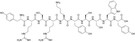
In addition to TRAP - 5 tests, we also provide a range of related peptides that can be used in research to further understand the biological functions of TRAP - 5. For example, Galanin (2 - 11) is a peptide that has been implicated in various physiological processes, and its relationship with bone metabolism and immune responses (which are related to TRAP - 5 functions) is an area of ongoing research.
SAMS Peptide is another peptide that may have potential applications in regulating bone - related signaling pathways. By studying the interaction between these peptides and TRAP - 5, researchers can gain a deeper understanding of the complex mechanisms underlying bone diseases.

Physalaemin is a peptide with diverse biological activities. It may play a role in modulating the immune system and bone remodeling processes, which are closely related to the functions of TRAP - 5.
Conclusion and Call to Action
In conclusion, while TRAP - 5 tests are valuable tools for diagnosing and monitoring bone - related diseases and immune responses, their accuracy is affected by multiple factors, including test technology, sample handling, and patient - related factors. As a dedicated TRAP - 5 supplier, we strive to provide the most accurate and reliable test products to meet the needs of the medical and research communities.
If you are interested in purchasing our TRAP - 5 tests or exploring the related peptides for your research, we welcome you to contact us for more information and to start a procurement discussion. We are here to provide you with the best products and support to advance your research and clinical work.
References
- Downey, R.P., et al. "The tartrate - resistant acid phosphatases: structure, function and role in health and disease." Molecular and Cellular Endocrinology, 2010, 321(1 - 2): 1 - 11.
- Henriksen, K., et al. "Tartrate - resistant acid phosphatase serum isoforms: potential markers of disease." Clinical Biochemistry, 2001, 34(7): 521 - 527.
- Roodman, G.D. "Mechanisms of bone metastasis." New England Journal of Medicine, 2004, 350(16): 1655 - 1664.