




Hey there! As a supplier of catalogue peptides, I've been getting a lot of questions lately about how these peptides interact with cell membranes. It's a super interesting topic, and I'm excited to share what I've learned with you.
First off, let's talk a bit about what peptides are. Peptides are short chains of amino acids, and they play all sorts of important roles in our bodies. They can act as hormones, neurotransmitters, and even have antibacterial properties. In the context of cell membranes, peptides can do some really cool stuff, like getting inside cells or disrupting the membrane structure.
One of the key ways peptides interact with cell membranes is through electrostatic interactions. Cell membranes are made up of a lipid bilayer, which has a polar head group and a non - polar tail. Some peptides have charged amino acids on their surface. For example, positively charged peptides can be attracted to the negatively charged head groups of the lipids in the cell membrane. This initial electrostatic attraction is often the first step in the interaction process.
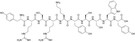
Take the Eledoisin - Related Peptide as an example. This peptide has a specific charge distribution that allows it to interact with the cell membrane. Once it gets close to the membrane due to electrostatic forces, it can start to insert itself into the lipid bilayer. The hydrophobic parts of the peptide can then interact with the non - polar tails of the lipids, helping the peptide to become more firmly associated with the membrane.


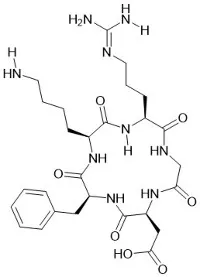
Another important mechanism is the formation of pores or channels in the cell membrane. Some peptides have the ability to aggregate on the surface of the membrane and then form structures that span the lipid bilayer. These pores can allow small molecules, ions, or even the peptide itself to pass through the membrane. The SynB1 Peptide is known for its cell - penetrating properties. It can form transient pores in the cell membrane, which enables it to enter the cell along with any cargo it might be carrying. This is really useful in drug delivery applications, as it allows us to get therapeutic agents inside cells more easily.
Peptides can also disrupt the membrane structure in a more general way. Some peptides have an amphipathic nature, meaning they have both hydrophobic and hydrophilic regions. When these peptides interact with the cell membrane, they can cause the lipids to rearrange. This can lead to membrane destabilization, leakage of cellular contents, and ultimately cell death. This is often the mechanism behind the antibacterial activity of certain peptides.
The Pp60(v - SRC) Autophosphorylation Site, Protein Tyrosine Kinase Substrate is a bit different. It's more involved in intracellular signaling pathways, but its interaction with the cell membrane is still crucial. It can bind to specific receptors on the cell surface, which then triggers a cascade of events inside the cell. This binding is highly specific, and it depends on the shape and chemical properties of both the peptide and the receptor.
Now, the way a peptide interacts with a cell membrane can also be influenced by a bunch of factors. The pH of the environment is one of them. Changes in pH can affect the charge of the peptide and the cell membrane, altering the electrostatic interactions. Temperature also plays a role. Higher temperatures can increase the fluidity of the cell membrane, making it easier for peptides to insert themselves.
The concentration of the peptide is another important factor. At low concentrations, a peptide might just bind to the surface of the membrane without causing much disruption. But as the concentration increases, it can start to form aggregates and cause more significant changes to the membrane structure.
The composition of the cell membrane itself is also critical. Different types of cells have different membrane compositions, with varying amounts of lipids, proteins, and carbohydrates. This means that a peptide might interact differently with different cell types. For example, cancer cells often have different membrane properties compared to normal cells, and this can be exploited to design peptides that target cancer cells specifically.
So, why is all this important? Well, understanding how catalogue peptides interact with cell membranes has a ton of applications. In the field of medicine, it can help us develop better drugs. We can design peptides that can target specific cells or tissues, deliver drugs more effectively, or even kill harmful cells like bacteria or cancer cells.
In biotechnology, it can be used for things like gene delivery. Peptides can be used to carry DNA or RNA into cells, which is essential for gene therapy. And in basic research, it helps us understand how cells work at a fundamental level.
If you're interested in exploring the world of catalogue peptides and their interactions with cell membranes further, we've got a wide range of peptides available. Whether you're working on a research project, developing a new drug, or just curious about the science, we can provide you with high - quality peptides.
If you have any questions or want to discuss potential purchases, don't hesitate to reach out. We're here to help you find the right peptides for your needs and support you throughout your research or development process.
References
- Alberts B, Johnson A, Lewis J, et al. Molecular Biology of the Cell. 4th edition. New York: Garland Science; 2002.
- Peptide Science: From Biology to Therapeutics. Edited by N. Sewald and H - D. Jakubke. Wiley - VCH, 2002.
- Cell Membrane: Structure and Function. By G. Guidotti. In The Encyclopedia of Molecular Biology. Blackwell Science, 1999.