




Exendin-4, a peptide with remarkable therapeutic potential, has gained significant attention in the field of medicine, particularly in the management of type 2 diabetes. As a leading supplier of Exendin-4, I am excited to delve into the intricate mechanisms through which this peptide operates within the body.
1. Discovery and Background
Exendin-4 was first isolated from the saliva of the Gila monster, a venomous lizard native to the southwestern United States and northwestern Mexico. This discovery opened up a new avenue for diabetes research, as scientists recognized its potential to mimic the actions of glucagon-like peptide-1 (GLP-1), a hormone that plays a crucial role in glucose regulation.

2. Interaction with GLP-1 Receptors
One of the primary ways Exendin-4 works in the body is by binding to GLP-1 receptors. These receptors are widely distributed throughout the body, including in the pancreas, stomach, and brain. When Exendin-4 binds to the GLP-1 receptors on pancreatic beta cells, it stimulates the secretion of insulin in a glucose-dependent manner. This means that insulin is released only when blood glucose levels are elevated, reducing the risk of hypoglycemia, a common side effect of some diabetes medications.
In the stomach, Exendin-4 slows down gastric emptying. By delaying the rate at which food leaves the stomach and enters the small intestine, it helps to control post - meal blood glucose spikes. This is because a slower release of nutrients into the bloodstream allows for a more gradual absorption of glucose, preventing sudden surges in blood sugar levels.
In the brain, the activation of GLP-1 receptors by Exendin-4 can also have an impact on satiety. It sends signals to the brain that reduce appetite and increase the feeling of fullness. This can lead to a decrease in food intake, which is beneficial for patients with type 2 diabetes who often struggle with weight management.
3. Regulation of Glucagon Secretion
Exendin-4 also plays a role in regulating glucagon secretion. Glucagon is a hormone produced by the alpha cells in the pancreas that raises blood glucose levels by promoting the breakdown of glycogen in the liver into glucose. In patients with type 2 diabetes, glucagon secretion is often dysregulated, leading to excessive glucose production by the liver. Exendin-4 inhibits the secretion of glucagon from pancreatic alpha cells. By reducing glucagon levels, it helps to lower blood glucose levels by decreasing the amount of glucose released from the liver into the bloodstream.
4. Enhancement of Beta Cell Function and Survival
Another important aspect of Exendin-4's action is its ability to enhance the function and survival of pancreatic beta cells. In type 2 diabetes, beta cells can become damaged or lose their ability to secrete insulin effectively over time. Exendin-4 has been shown to promote beta cell proliferation, which means it can increase the number of functional beta cells in the pancreas. It also protects beta cells from apoptosis, or programmed cell death, which can be caused by factors such as high blood glucose levels, oxidative stress, and inflammation.
5. Impact on Cardiovascular System
Beyond its effects on glucose metabolism, Exendin-4 may also have beneficial effects on the cardiovascular system. Some studies have suggested that it can improve endothelial function, which is important for maintaining healthy blood vessels. It may also reduce inflammation and oxidative stress in the blood vessels, which are risk factors for cardiovascular diseases such as heart attacks and strokes. Additionally, by promoting weight loss and improving blood glucose control, Exendin-4 indirectly contributes to a reduction in cardiovascular risk factors.
6. Comparison with Related Peptides
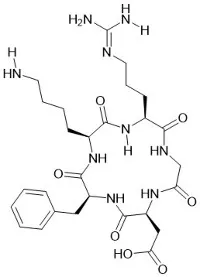
To better understand the unique properties of Exendin-4, it is interesting to compare it with some related peptides. For example, Prepro VIP (111 - 122) (human) has its own set of biological activities. While it may not have the same direct impact on glucose regulation as Exendin-4, it is involved in various physiological processes in the body. Similarly, SynB1 Peptide and Galanin Message Associated Peptide (1 - 41) Amide have their own distinct functions. SynB1 Peptide is known for its cell - penetrating properties, which can be useful in drug delivery, while Galanin Message Associated Peptide (1 - 41) Amide is related to the galaninergic system and may play a role in pain modulation and other physiological functions.
7. Long - Term Effects and Clinical Implications
The long - term use of Exendin-4 has shown promising results in clinical trials. It has been associated with improved glycemic control, weight loss, and a reduced risk of cardiovascular events in patients with type 2 diabetes. These benefits make it an attractive option for the treatment of type 2 diabetes, especially for patients who are struggling with weight management and have a high risk of cardiovascular diseases.
8. Our Role as a Supplier
As a supplier of Exendin-4, we are committed to providing high - quality peptide products. Our Exendin-4 is synthesized using advanced techniques to ensure its purity, potency, and stability. We understand the importance of reliable and consistent products in research and clinical applications. Whether you are a pharmaceutical company conducting pre - clinical studies, a research institution exploring new treatment modalities, or a healthcare provider interested in the latest diabetes therapies, our Exendin-4 can meet your needs.
If you are interested in learning more about our Exendin-4 products or are considering purchasing for your research or clinical use, we encourage you to reach out to us. We are more than happy to discuss your requirements, provide detailed product information, and engage in procurement discussions. Our team of experts is always available to answer any questions you may have and to support you in making the best decision for your projects.
References
- Drucker DJ. The biology of incretin hormones. Cell Metab. 2006;3(3):153 - 165.
- Nauck MA, Meier JJ. The role of GLP - 1 receptor agonists in type 2 diabetes mellitus. Lancet. 2018;391(10132):2429 - 2440.
- Holst JJ. The physiology of glucagon - like peptide 1. Physiol Rev. 2007;87(4):1409 - 1439.