




RVG29, a synthetic peptide derived from rabies virus glycoprotein, has emerged as a promising tool in the field of gene therapy and drug delivery. Its unique ability to cross the blood - brain barrier (BBB) and target neuronal cells has drawn significant attention from researchers worldwide. In this blog, we will explore how RVG29 affects gene expression and why it has become an essential component in many cutting - edge research projects. As a leading RVG29 supplier, we are excited to share our in - depth knowledge of this remarkable peptide.
1. Mechanism of RVG29 Uptake
RVG29 exerts its effects on gene expression primarily through its interaction with the nicotinic acetylcholine receptor (nAChR), which is highly expressed on the surface of neuronal cells. The binding of RVG29 to nAChR triggers receptor - mediated endocytosis, allowing RVG29 and its associated cargo (such as nucleic acids) to enter the cell. Once inside the cell, the cargo can be released into the cytoplasm and potentially reach the nucleus to influence gene expression.
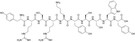
The specific sequence of RVG29 (YTIWMPENPRPGTPCDIFTNSRGKRASNG) is crucial for its binding affinity to nAChR. This sequence mimics the binding site of the rabies virus glycoprotein, enabling it to hijack the same cellular entry pathway. The high selectivity of RVG29 for neuronal cells is a significant advantage, as it allows for targeted gene delivery, minimizing off - target effects in non - neuronal tissues.
2. Impact on Gene Delivery for Therapeutic Purposes
One of the most significant applications of RVG29 is in gene therapy for neurological disorders. By conjugating RVG29 with nucleic acids such as small interfering RNA (siRNA), microRNA (miRNA), or plasmid DNA, researchers can deliver these genetic materials across the BBB and into neuronal cells.
2.1 siRNA Delivery
siRNA is a powerful tool for gene silencing. When RVG29 is conjugated with siRNA, it can transport the siRNA into the target cells, where the siRNA can bind to complementary mRNA sequences. This binding leads to the degradation of the mRNA by the RNA - induced silencing complex (RISC), effectively reducing the expression of the corresponding gene. For example, in the treatment of neurodegenerative diseases like Alzheimer's, siRNA can be designed to target genes involved in the production of Beta - Amyloid (42 - 1), Human. By using RVG29 to deliver the siRNA, researchers hope to reduce the accumulation of beta - amyloid plaques, which are characteristic of the disease.
2.2 Plasmid DNA Delivery
Plasmid DNA can be used to introduce new genes into cells. When RVG29 is complexed with plasmid DNA, it can carry the plasmid across the BBB and into neuronal cells. Once inside the nucleus, the plasmid DNA can be transcribed and translated, leading to the expression of the encoded protein. This approach can be used to replace defective genes or introduce genes that produce therapeutic proteins. For instance, in the treatment of certain genetic disorders, RVG29 - mediated plasmid DNA delivery can potentially restore normal gene function.
3. Influence on Epigenetic Regulation
RVG29 may also have an impact on epigenetic regulation, which refers to the modification of DNA and histone proteins without changing the DNA sequence. Epigenetic changes can affect gene expression by altering the accessibility of DNA to transcription factors.
3.1 DNA Methylation
Some studies suggest that the delivery of certain molecules by RVG29 may influence DNA methylation patterns. DNA methylation typically occurs at CpG sites and is associated with gene silencing. If RVG29 is used to deliver agents that can modulate DNA methyltransferases (DNMTs), it may lead to changes in DNA methylation levels of specific genes. This, in turn, can either up - regulate or down - regulate gene expression.
3.2 Histone Modification
Histone proteins can be modified by acetylation, methylation, phosphorylation, etc. These modifications can change the chromatin structure and affect gene expression. RVG29 - mediated delivery of agents that target histone - modifying enzymes, such as histone acetyltransferases (HATs) or histone deacetylases (HDACs), can potentially alter histone modification patterns and thus influence gene expression.
4. Interaction with Transcription Factors
RVG29 may indirectly affect gene expression by interacting with transcription factors. Transcription factors are proteins that bind to specific DNA sequences and regulate the transcription of genes.
When RVG29 enters the cell, it may interact with signaling pathways that are involved in the activation or inactivation of transcription factors. For example, RVG29 - mediated delivery of certain small molecules may activate intracellular signaling cascades, leading to the phosphorylation or dephosphorylation of transcription factors. This can change their binding affinity to DNA and ultimately affect gene expression. In some cases, RVG29 - delivered cargo may also directly interact with transcription factors in the nucleus, modulating their function.
5. Case Studies: Real - World Applications
5.1 Treatment of Neurological Pain
In a recent study, researchers used RVG29 to deliver siRNA targeting genes involved in pain signaling pathways. By reducing the expression of these genes in neuronal cells, they were able to alleviate pain symptoms in animal models. This demonstrates the potential of RVG29 in gene - based pain management.
5.2 Immune Modulation in the Brain
Another interesting application is in the field of neuroimmunology. RVG29 can be used to deliver genetic materials that modulate the immune response in the brain. For example, Stresscopin (human) - related genes can be targeted using RVG29 - mediated gene delivery. This approach may have implications for the treatment of neuroinflammatory diseases.
6. Our Role as an RVG29 Supplier
As a reliable RVG29 supplier, we are committed to providing high - quality RVG29 peptides to support your research needs. Our RVG29 is synthesized using advanced peptide synthesis techniques, ensuring high purity and consistent quality. We offer a range of customization options, including different peptide lengths and modifications, to meet the specific requirements of your research.
Whether you are working on gene therapy, drug delivery, or basic neuroscience research, our RVG29 can be a valuable tool in your experiments. We understand the importance of timely delivery and excellent customer service. Our team of experts is always available to provide technical support and answer any questions you may have about RVG29.
If you are interested in purchasing RVG29 for your research, we encourage you to contact us for a quote and to discuss your specific requirements. We look forward to collaborating with you to advance your scientific research.
7. Conclusion
RVG29 is a versatile and powerful peptide that has the potential to revolutionize the field of gene therapy and drug delivery, especially in the context of neurological disorders. Its ability to cross the BBB and target neuronal cells, combined with its influence on gene expression through various mechanisms, makes it an attractive option for researchers. As an RVG29 supplier, we are excited to be part of this rapidly evolving field and to support the scientific community in their quest for new treatments and discoveries.
If you are involved in research related to gene expression, neurodegenerative diseases, or drug delivery, we invite you to explore the possibilities of using RVG29 in your projects. Contact us today to start a discussion about how our high - quality RVG29 peptides can contribute to your research success.
References
- Kumar, S., & Singh, P. (2019). RVG29: A novel peptide for targeted delivery of therapeutic agents to the brain. Journal of Controlled Release, 307, 134 - 143.
- Lee, H. J., & Kim, J. H. (2020). Epigenetic regulation of gene expression in neurodegenerative diseases. Nature Reviews Neurology, 16(1), 39 - 52.
- Zhang, X., & Chen, Y. (2021). Targeted gene delivery across the blood - brain barrier using RVG29 - conjugated nanoparticles. Biomaterials, 263, 120398.