




TRAP - 5, also known as tartrate - resistant acid phosphatase 5, is an enzyme that plays a crucial role in bone metabolism. As a reliable TRAP - 5 supplier, I have witnessed the growing interest in understanding how TRAP - 5 interacts with bone - related hormones. This interaction is not only fundamental to the normal physiological process of bone remodeling but also has significant implications for the diagnosis and treatment of bone - related diseases.
The Basics of TRAP - 5 and Bone - Related Hormones
First, let's briefly introduce TRAP - 5. It is primarily expressed in osteoclasts, the cells responsible for bone resorption. TRAP - 5 is involved in the degradation of the bone matrix by hydrolyzing phosphate esters. This process is essential for maintaining the balance between bone formation and resorption, which is crucial for bone health.
On the other hand, bone - related hormones include parathyroid hormone (PTH), calcitonin, and vitamin D. PTH is secreted by the parathyroid glands and acts to increase blood calcium levels by promoting bone resorption. Calcitonin, secreted by the thyroid gland, has the opposite effect, reducing bone resorption and lowering blood calcium levels. Vitamin D, which can be synthesized in the skin or obtained from the diet, is essential for calcium absorption in the intestine and also plays a role in bone remodeling.
Interaction Mechanisms between TRAP - 5 and PTH
Parathyroid hormone (PTH) is a key regulator of bone metabolism. When blood calcium levels are low, PTH is released. PTH binds to its receptors on osteoblasts, which then secrete factors that stimulate the differentiation and activation of osteoclasts. TRAP - 5 is upregulated during this process.
PTH can increase the expression of TRAP - 5 through a series of intracellular signaling pathways. For example, it activates the cyclic adenosine monophosphate (cAMP) - protein kinase A (PKA) pathway in osteoblasts. The activated osteoblasts then secrete receptor activator of nuclear factor - κB ligand (RANKL), which binds to its receptor RANK on osteoclast precursors, promoting their differentiation into mature osteoclasts. During this differentiation process, the expression of TRAP - 5 is significantly increased.
In addition, PTH can also directly affect the activity of TRAP - 5 in osteoclasts. It can modulate the phosphorylation state of TRAP - 5, which may influence its enzymatic activity. This interaction between PTH and TRAP - 5 is crucial for maintaining calcium homeostasis and bone remodeling. For instance, in patients with hyperparathyroidism, excessive PTH secretion leads to increased bone resorption, which is associated with elevated levels of TRAP - 5 in the blood.
Interaction between TRAP - 5 and Calcitonin
Calcitonin acts as an inhibitor of bone resorption. When blood calcium levels are high, calcitonin is secreted. It binds to its receptors on osteoclasts, leading to a rapid decrease in osteoclast activity.
Calcitonin can downregulate the expression and activity of TRAP - 5. It inhibits the differentiation of osteoclast precursors into mature osteoclasts, which in turn reduces the production of TRAP - 5. Moreover, calcitonin can also directly affect the function of mature osteoclasts. It causes a change in the shape of osteoclasts, reducing their ability to adhere to the bone surface and resorb bone. This morphological change is accompanied by a decrease in TRAP - 5 activity.
The interaction between calcitonin and TRAP - 5 is important for preventing excessive bone resorption. In some cases, such as in the treatment of osteoporosis, calcitonin can be used to reduce bone loss by inhibiting TRAP - 5 - mediated bone resorption.
Interaction between TRAP - 5 and Vitamin D
Vitamin D exists in several forms, with 1,25 - dihydroxyvitamin D₃ being the most biologically active form. Vitamin D plays a complex role in bone metabolism. It promotes calcium absorption in the intestine, which is essential for bone mineralization. At the same time, it also affects the function of osteoblasts and osteoclasts.
Vitamin D can enhance the differentiation of osteoclasts, which is associated with an increase in TRAP - 5 expression. 1,25 - dihydroxyvitamin D₃ binds to its receptor in osteoblasts, leading to the secretion of RANKL and other factors that stimulate osteoclastogenesis. As osteoclasts differentiate, the expression of TRAP - 5 is upregulated.
However, vitamin D also has a role in bone formation. It can stimulate osteoblast activity and promote the synthesis of bone matrix proteins. This dual role of vitamin D in bone metabolism, along with its interaction with TRAP - 5, is crucial for maintaining the balance between bone resorption and formation. In vitamin D deficiency, there may be abnormal bone remodeling, which can be reflected by changes in TRAP - 5 levels.
Clinical Significance of the Interaction
The interaction between TRAP - 5 and bone - related hormones has important clinical implications. Measuring the levels of TRAP - 5 in the blood can provide valuable information about bone resorption activity. For example, in patients with osteoporosis, elevated levels of TRAP - 5 may indicate increased bone resorption, which can be used as a biomarker for the diagnosis and monitoring of the disease.
Moreover, understanding the interaction mechanisms can help in the development of new therapeutic strategies. For instance, drugs that target the interaction between bone - related hormones and TRAP - 5 may be developed to treat bone - related diseases. If we can selectively inhibit the upregulation of TRAP - 5 by PTH or enhance the inhibitory effect of calcitonin on TRAP - 5, we may be able to reduce excessive bone resorption in osteoporosis patients.
Related Peptides and Their Potential in Bone Research
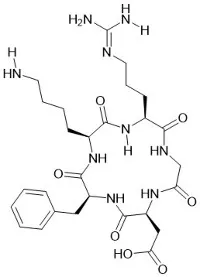
In the field of bone research, some peptides also show potential in modulating bone metabolism. For example, Tirzepatide (Lys20(N₃ - CH₂CO - )) is a peptide that has been studied for its effects on glucose metabolism. Although its direct role in bone metabolism is not fully understood, it may have an indirect impact through its effects on overall metabolic homeostasis. Since metabolic disorders can affect bone health, further research on the relationship between Tirzepatide and bone - related factors such as TRAP - 5 may be valuable.
RVG29 - Cys is a peptide that has been used in drug delivery systems. It has the ability to cross the blood - brain barrier. In the context of bone research, it may be used to deliver therapeutic agents to bone cells, potentially targeting the interaction between TRAP - 5 and bone - related hormones.
Substance P is a neuropeptide that has been shown to have effects on bone cells. It can stimulate the proliferation and differentiation of osteoblasts and may also affect osteoclast activity. The interaction between Substance P and TRAP - 5, as well as its relationship with bone - related hormones, is an area that deserves further exploration.
Conclusion
In conclusion, the interaction between TRAP - 5 and bone - related hormones is a complex and fascinating area of research. PTH, calcitonin, and vitamin D all play important roles in modulating the expression and activity of TRAP - 5, which is crucial for maintaining bone homeostasis. Understanding these interaction mechanisms not only provides insights into the normal physiological process of bone remodeling but also has significant implications for the diagnosis and treatment of bone - related diseases.


As a TRAP - 5 supplier, we are committed to providing high - quality TRAP - 5 products for researchers in this field. If you are interested in our TRAP - 5 products or have any questions about its application in bone research, please feel free to contact us for procurement and further discussion.
References
- Baron R. Biology of bone cells. In: Primer on the Metabolic Bone Diseases and Disorders of Mineral Metabolism. 8th ed. American Society for Bone and Mineral Research; 2013:11 - 18.
- Rosen CJ, Bouxsein ML, Lewiecki EM, et al. Clinician's guide to prevention and treatment of osteoporosis. Osteoporos Int. 2013;24(10):2559 - 2581.
- Holick MF. Vitamin D deficiency. N Engl J Med. 2007;357(3):266 - 281.
- Teitelbaum SL. Bone resorption by osteoclasts. Science. 2000;289(5484):1504 - 1508.