




Diabetes is a chronic metabolic disorder characterized by high blood glucose levels, which can lead to various complications and have a significant impact on the immune system. Tuftsin, a tetrapeptide with the sequence Thr-Lys-Pro-Arg, has been found to play an important role in modulating the immune function. In this blog, we will explore how Tuftsin impacts the immune function of patients with diabetes.
The Immune System in Diabetes
Patients with diabetes often experience impaired immune function. High blood sugar levels can cause oxidative stress and inflammation, which disrupt the normal function of immune cells. For example, hyperglycemia can reduce the phagocytic activity of macrophages, which are key players in the innate immune system responsible for engulfing and destroying pathogens. Additionally, diabetes can also affect the function of T - lymphocytes, leading to a weakened adaptive immune response. This makes diabetic patients more susceptible to infections, such as urinary tract infections, skin infections, and respiratory infections.
Tuftsin: An Overview
Tuftsin was first discovered in the 1970s. It is produced by the enzymatic cleavage of the Fc fragment of immunoglobulin G (IgG). Tuftsin has been shown to have multiple immunomodulatory effects. It can enhance the phagocytic activity of macrophages and neutrophils, stimulate the production of cytokines, and promote the activation of natural killer (NK) cells. These actions contribute to a more effective immune response against pathogens.
Impact of Tuftsin on Macrophages in Diabetic Patients
Macrophages are crucial for the initial recognition and elimination of pathogens. In diabetic patients, the phagocytic ability of macrophages is compromised. Tuftsin can reverse this impairment. Studies have shown that Tuftsin can bind to specific receptors on the surface of macrophages, activating intracellular signaling pathways. This activation leads to an increase in the expression of genes related to phagocytosis, such as those encoding for phagocytic receptors. As a result, macrophages in diabetic patients treated with Tuftsin can more efficiently engulf and digest bacteria and other foreign particles.
Moreover, Tuftsin can also enhance the production of reactive oxygen species (ROS) by macrophages. ROS are important for killing pathogens within the phagolysosome. In diabetes, the production of ROS by macrophages is often reduced. Tuftsin restores this function, thereby improving the antimicrobial activity of macrophages.
Effects of Tuftsin on Neutrophils in Diabetic Patients
Neutrophils are the most abundant type of white blood cells and are the first responders to sites of infection. In diabetic patients, neutrophil function is impaired, including chemotaxis (the ability to move towards the site of infection), phagocytosis, and the release of antimicrobial substances. Tuftsin can improve neutrophil chemotaxis by increasing the expression of chemotactic receptors on the neutrophil surface. This allows neutrophils to better sense and migrate towards the source of infection.
In terms of phagocytosis, Tuftsin enhances the ability of neutrophils to engulf bacteria. It also promotes the degranulation of neutrophils, which releases antimicrobial peptides and enzymes. These substances are essential for killing bacteria at the site of infection. By improving neutrophil function, Tuftsin helps diabetic patients to mount a more effective immune response against bacterial infections.
Tuftsin and Cytokine Production in Diabetic Patients
Cytokines are small proteins that play a crucial role in cell - to - cell communication and immune regulation. In diabetes, the balance of cytokine production is disrupted, often leading to a pro - inflammatory state. Tuftsin can modulate cytokine production in diabetic patients. It can stimulate the production of anti - inflammatory cytokines, such as interleukin - 10 (IL - 10), while reducing the production of pro - inflammatory cytokines, such as tumor necrosis factor - alpha (TNF - α) and interleukin - 6 (IL - 6). This rebalancing of cytokine production helps to reduce inflammation and improve the overall immune environment in diabetic patients.
Role of Tuftsin in NK Cell Activation in Diabetic Patients
Natural killer cells are part of the innate immune system and are responsible for killing virus - infected cells and tumor cells. In diabetic patients, the activity of NK cells is often decreased. Tuftsin can enhance the cytotoxic activity of NK cells. It promotes the expression of activation receptors on the surface of NK cells and increases the production of perforin and granzyme, which are essential for the killing of target cells. By activating NK cells, Tuftsin helps diabetic patients to better defend against viral infections and the development of tumors.
Our Company as a Tuftsin Supplier
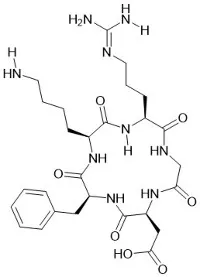
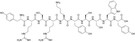
As a reliable Tuftsin supplier, we are committed to providing high - quality Tuftsin products for research and potential therapeutic applications. Our Tuftsin is produced using advanced peptide synthesis techniques, ensuring its purity and biological activity. We also offer a range of other peptides that may be relevant to diabetes and immune research, such as Peptide F, Bovine, Cyclo(RGDfC), and Endothelin - 2 (human, Canine).
If you are conducting research on diabetes and immune function, or are interested in exploring the potential therapeutic use of Tuftsin, we encourage you to contact us for procurement and further discussions. Our team of experts is ready to provide you with detailed product information and support.
Conclusion
Tuftsin has a significant impact on the immune function of patients with diabetes. It can improve the function of macrophages, neutrophils, NK cells, and modulate cytokine production, thereby enhancing the overall immune response in diabetic patients. As a Tuftsin supplier, we are excited about the potential of Tuftsin in diabetes treatment and immune research. We look forward to collaborating with researchers and healthcare professionals to further explore the applications of Tuftsin and other related peptides.
References
- Najjar, V. A., & Nishioka, K. (1970). Tuftsin, a natural activator of phagocytic cells. Proceedings of the National Academy of Sciences, 67(3), 1241 - 1248.
- Pick, E., & Manche, L. (1980). Activation of macrophage functions by tuftsin. Journal of Immunology, 124(4), 1712 - 1717.
- Ganda, O. P., & Matschinsky, F. M. (1982). Host defense and infection in diabetes mellitus. Diabetes Care, 5(6), 521 - 532.
- Senn, D. J., & Henquin, J. C. (2005). Pancreatic islet inflammation in type 2 diabetes. Diabetes, 54(12), 3343 - 3354.
- Akdis, C. A., & Blaser, K. (2001). Interleukin - 10: an anti - inflammatory cytokine in allergic inflammation. Allergy, 56(9), 861 - 866.