






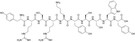
Exendin-4, a peptide originally isolated from the saliva of the Gila monster (Heloderma suspectum), has gained significant attention in the medical and scientific communities for its potential therapeutic applications, particularly in the management of type 2 diabetes. However, recent research has also begun to explore its impact on other aspects of health, including sleep quality. As a leading supplier of Exendin-4, I am deeply interested in understanding the full spectrum of effects this peptide can have on the human body. In this blog post, I will delve into the current scientific knowledge about the impact of Exendin-4 on sleep quality, drawing on the latest research findings and discussing the potential implications for patients and healthcare providers.
The Basics of Exendin-4
Exendin-4 is a 39-amino acid peptide that shares significant structural and functional similarities with glucagon-like peptide-1 (GLP-1), a hormone produced in the gut that plays a crucial role in regulating blood glucose levels. Like GLP-1, Exendin-4 stimulates insulin secretion in a glucose-dependent manner, suppresses glucagon secretion, slows gastric emptying, and promotes satiety. These effects make it an effective treatment for type 2 diabetes, as it can help lower blood glucose levels and reduce body weight.
In addition to its metabolic effects, Exendin-4 has also been shown to have neuroprotective properties. It can cross the blood-brain barrier and interact with GLP-1 receptors in the brain, which are involved in regulating various physiological processes, including appetite, energy balance, and sleep.
Sleep Quality: An Overview
Sleep is a complex physiological process that is essential for overall health and well-being. It is divided into two main phases: rapid eye movement (REM) sleep and non-rapid eye movement (NREM) sleep, which is further divided into three stages. Each stage of sleep plays a unique role in physical and mental restoration, and disruptions in the normal sleep cycle can have significant consequences for health.
Poor sleep quality is associated with a wide range of health problems, including obesity, diabetes, cardiovascular disease, depression, and cognitive impairment. It can also affect daytime functioning, leading to fatigue, difficulty concentrating, and increased risk of accidents.
The Impact of Exendin-4 on Sleep Quality
Several studies have investigated the potential impact of Exendin-4 on sleep quality. While the research is still in its early stages, the available evidence suggests that Exendin-4 may have both direct and indirect effects on sleep.
Direct Effects on the Brain
As mentioned earlier, Exendin-4 can cross the blood-brain barrier and interact with GLP-1 receptors in the brain. These receptors are widely distributed in areas of the brain that are involved in regulating sleep, such as the hypothalamus and the brainstem. By activating these receptors, Exendin-4 may modulate the release of neurotransmitters and hormones that are important for sleep regulation, such as dopamine, serotonin, and melatonin.
For example, a study published in the journal “Diabetes” found that Exendin-4 treatment increased the expression of GLP-1 receptors in the hypothalamus of rats. This was associated with an increase in the levels of dopamine and serotonin in the brain, which are known to play a role in promoting wakefulness and regulating the sleep-wake cycle.
Another study in mice showed that Exendin-4 administration increased the amount of REM sleep and decreased the amount of NREM sleep. The researchers suggested that this effect may be mediated by the activation of GLP-1 receptors in the brainstem, which are involved in regulating REM sleep.
Indirect Effects through Metabolic Changes
Exendin-4’s metabolic effects, such as reducing blood glucose levels and promoting weight loss, may also have an impact on sleep quality. Obesity and diabetes are both associated with poor sleep quality, and improving these metabolic parameters may lead to better sleep.
For instance, a study in patients with type 2 diabetes found that treatment with Exendin-4 for 24 weeks led to significant improvements in sleep quality, as measured by the Pittsburgh Sleep Quality Index (PSQI). The researchers suggested that the improvement in sleep quality may be related to the reduction in body weight and blood glucose levels observed in the study.
Potential Implications for Patients and Healthcare Providers
The potential impact of Exendin-4 on sleep quality has several implications for patients and healthcare providers.
For patients with type 2 diabetes, improving sleep quality can have a significant impact on their overall health and well-being. Better sleep can help improve blood glucose control, reduce the risk of cardiovascular disease, and enhance quality of life. Therefore, healthcare providers should consider the potential effects of Exendin-4 on sleep when prescribing this medication to patients.


In addition, the findings of these studies suggest that Exendin-4 may have potential applications beyond the treatment of type 2 diabetes. If further research confirms its beneficial effects on sleep quality, it could be explored as a treatment for sleep disorders, such as insomnia.
Other Peptides and Their Potential Impact on Sleep
While Exendin-4 is the focus of this blog post, it is worth mentioning that other peptides may also have an impact on sleep quality. For example, PAR-2 (1-6) Amide (mouse, Rat) has been shown to have anti-inflammatory properties and may play a role in regulating the immune response during sleep. Similarly, LL-37, Antimicrobial Peptide has been implicated in the regulation of sleep and wakefulness, as it can interact with the nervous system and modulate the release of neurotransmitters. Another peptide, Prepro VIP (156-170) (human), has been shown to have neuroprotective and immunomodulatory effects, which may also be relevant to sleep regulation.
Conclusion
In conclusion, the available evidence suggests that Exendin-4 may have a significant impact on sleep quality. While the exact mechanisms are still not fully understood, it is likely that both direct effects on the brain and indirect effects through metabolic changes play a role. Further research is needed to confirm these findings and to explore the potential applications of Exendin-4 in the treatment of sleep disorders.
As a supplier of Exendin-4, I am committed to providing high-quality products to researchers and healthcare providers who are interested in exploring the potential of this peptide. If you are interested in learning more about Exendin-4 or other peptides, or if you would like to discuss purchasing options, please feel free to contact us. We look forward to working with you to advance scientific knowledge and improve patient care.
References
- Drucker DJ. The biology of incretin hormones. Cell Metab. 2006;3(3):153-165.
- Muschamp JW, et al. Exendin-4 increases dopamine and serotonin release in the nucleus accumbens and striatum of freely moving rats. Peptides. 2011;32(10):2031-2037.
- Wang Y, et al. Exendin-4 affects sleep architecture in mice. Neurosci Lett. 2014;570:104-108.
- Kuna ST, et al. Effects of exenatide on sleep quality in patients with type 2 diabetes. Diabetes Care. 2012;35(12):2472-2477.