




RVG29 - Cys, a novel and promising peptide, has garnered significant attention in the scientific community due to its potential applications in targeted drug delivery and therapeutic interventions. As a leading supplier of RVG29 - Cys, I am frequently asked about how this peptide is transported in the body. In this blog post, I will delve into the intricate mechanisms of RVG29 - Cys transport, exploring the various factors that influence its journey through the biological system.
1. Introduction to RVG29 - Cys
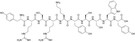
RVG29 - Cys is a modified form of the rabies virus glycoprotein (RVG) peptide. The RVG peptide is known for its unique ability to cross the blood - brain barrier (BBB), which is a highly selective semi - permeable membrane that separates the circulating blood from the brain extracellular fluid. The addition of a cysteine residue (Cys) to RVG29 can be used for further chemical modifications, such as conjugation with drugs or imaging agents, enhancing its functionality.
2. Initial Uptake into the Body
The first step in the transport of RVG29 - Cys is its entry into the body. Depending on the administration route, RVG29 - Cys can enter the bloodstream in different ways.
Oral Administration
Oral administration is a convenient route, but it faces several challenges. The peptide must first pass through the harsh environment of the gastrointestinal tract, where it can be degraded by digestive enzymes and low pH. However, if formulated properly, RVG29 - Cys can potentially be absorbed through the intestinal epithelium. The enterocytes lining the small intestine have various transport mechanisms, including passive diffusion and carrier - mediated transport. Small peptides like RVG29 - Cys may be able to utilize the peptide transporters present on the apical membrane of enterocytes, such as PEPT1. Once inside the enterocytes, RVG29 - Cys can then enter the bloodstream via the basolateral membrane and be carried to the liver through the portal vein. For more information on related peptides, you can check out Enterostatin (bovine, Canine, Porcine).
Intravenous Administration
Intravenous injection is a direct way to introduce RVG29 - Cys into the bloodstream. This bypasses the gastrointestinal tract and allows for immediate distribution throughout the body. Once injected, RVG29 - Cys is rapidly mixed with the blood and starts to circulate.
3. Distribution in the Bloodstream
After entering the bloodstream, RVG29 - Cys is subject to various forces and interactions that determine its distribution.
Plasma Protein Binding
RVG29 - Cys can bind to plasma proteins, such as albumin. Protein binding can affect the peptide's pharmacokinetic properties. Bound RVG29 - Cys is generally inactive and acts as a reservoir, while the unbound (free) form is available for distribution to tissues and for exerting its biological effects. The degree of protein binding depends on the peptide's chemical properties, such as its hydrophobicity and charge.
Blood Flow and Tissue Perfusion
Blood flow plays a crucial role in the distribution of RVG29 - Cys. Tissues with high blood perfusion rates, such as the liver, kidneys, and lungs, will receive a larger amount of the peptide compared to tissues with lower blood flow, like adipose tissue. The peptide is carried by the blood to the capillaries, where it can exchange with the interstitial fluid.
4. Crossing the Blood - Brain Barrier
One of the most remarkable features of RVG29 - Cys is its ability to cross the BBB. The BBB is composed of endothelial cells with tight junctions, which restrict the passage of most molecules. However, RVG29 - Cys can exploit specific transport mechanisms to gain access to the brain.
Receptor - Mediated Transcytosis
RVG29 - Cys binds to the acetylcholine receptor on the surface of brain endothelial cells. This binding triggers a series of events that lead to the formation of endocytic vesicles containing the peptide. These vesicles then traverse the endothelial cell and release RVG29 - Cys into the brain interstitial fluid. This process, known as receptor - mediated transcytosis, allows for the targeted delivery of RVG29 - Cys to the brain. For related research on peptides with potential CNS effects, you can refer to MOG (35 - 55), Mouse, Rat.
5. Uptake by Target Cells
Once in the interstitial fluid, RVG29 - Cys can interact with target cells in the brain or other tissues. The peptide may bind to specific receptors on the cell surface, which can initiate intracellular signaling pathways. This binding can also lead to the internalization of RVG29 - Cys into the cells, where it can exert its therapeutic effects.
6. Metabolism and Elimination
After fulfilling its function, RVG29 - Cys is metabolized and eliminated from the body.
Metabolism
The liver is the primary organ for peptide metabolism. Enzymes in the liver, such as peptidases, can break down RVG29 - Cys into smaller fragments. These fragments can then be further metabolized or excreted.
Elimination
The kidneys play a major role in the elimination of RVG29 - Cys and its metabolites. Small peptides and their breakdown products can be filtered through the glomerulus and excreted in the urine. Some of the peptide may also be eliminated through the bile and excreted in the feces. For more information on peptides related to metabolic and elimination processes, you can visit TRAP - 5.
7. Factors Affecting Transport
Several factors can influence the transport of RVG29 - Cys in the body.

Chemical Modifications
The addition of the cysteine residue in RVG29 - Cys can affect its solubility, stability, and binding affinity. Further chemical modifications, such as conjugation with other molecules, can also alter its transport properties.
Physiological Conditions
The physiological state of the body, such as age, disease, and hormonal status, can impact the transport of RVG29 - Cys. For example, in diseases that affect the BBB integrity, the peptide's ability to cross the barrier may be enhanced or impaired.
8. Conclusion and Call to Action
Understanding the transport mechanisms of RVG29 - Cys is crucial for its successful application in drug delivery and therapy. As a supplier of high - quality RVG29 - Cys, we are committed to providing the scientific community with the necessary tools to explore the full potential of this peptide. Whether you are conducting basic research or developing new therapeutic strategies, our RVG29 - Cys can be a valuable asset. If you are interested in purchasing RVG29 - Cys or have any questions about its properties and applications, please feel free to contact us for a detailed discussion and procurement negotiation.
References
- Pardridge WM. The blood - brain barrier: bottleneck in brain drug development. NeuroRx. 2005;2(1):3 - 14.
- Boado RJ, Zhang Y, Nagaya M, et al. Receptor - mediated delivery of a peptide - drug conjugate to the brain. Bioconjug Chem. 2007;18(6):2252 - 2258.
- Meier PJ, Stieger B. Molecular mechanisms of bile formation, cholestasis, and biliary excretion of drugs. Pharmacol Ther. 2002;95(2):125 - 181.