




Hey there, fellow researchers! If you're looking to culture Tet - 213 cells, you've come to the right place. I'm a supplier of Tet - 213 cells, and I've got some hands - on experience and tips to share with you.
First things first, let's talk about what Tet - 213 cells are. These are a type of human neuroblastoma cell line, which are super useful in a bunch of research areas, like neuroscience, cancer research, and drug development. They can help us understand how nerve cells work, how tumors grow, and how potential drugs might affect these processes.
Preparing the Culture Environment
Before you start culturing Tet - 213 cells, you need to set up a proper environment. You'll need a good cell culture incubator. Make sure it's set to 37°C with a 5% CO₂ atmosphere. This mimics the conditions inside our bodies, and it's what these cells are used to.
You also need to get your culture medium ready. A common choice for Tet - 213 cells is RPMI 1640 medium. You'll want to supplement it with 10% fetal bovine serum (FBS). FBS is like a nutrient - rich soup for the cells. It contains all sorts of growth factors, hormones, and proteins that the cells need to grow and thrive. Add 1% penicillin - streptomycin to the medium too. This acts as an antibiotic to prevent bacterial and fungal contamination.
Thawing the Cells
Once your culture environment is all set, it's time to thaw the Tet - 213 cells. You'll usually get them frozen in a cryovial. First, take the cryovial out of the liquid nitrogen storage and quickly place it in a 37°C water bath. Gently swirl the vial in the water bath until the cells are just thawed. This usually takes about a minute or two.
Be careful not to let the vial stay in the water bath for too long, as that can damage the cells. As soon as they're thawed, transfer the cell suspension from the cryovial into a centrifuge tube containing pre - warmed culture medium. Spin the tube at about 1000 rpm for 5 minutes. This will pellet the cells at the bottom of the tube.
After centrifugation, carefully remove the supernatant. The supernatant contains the freezing medium, which has some chemicals that can be harmful to the cells. Resuspend the cell pellet in fresh culture medium, and then transfer the cell suspension into a culture flask. Place the flask in the incubator, and let the cells settle in and start growing.
Sub - culturing the Cells
As the Tet - 213 cells grow, they'll start to reach confluency, which means they'll cover the surface of the culture flask. When they reach about 70 - 80% confluency, it's time to sub - culture them. First, remove the old culture medium from the flask. Then, wash the cells with phosphate - buffered saline (PBS) to get rid of any leftover medium and debris.
Add a small amount of trypsin - EDTA solution to the flask. Trypsin is an enzyme that breaks down the proteins that hold the cells to the flask surface. Let the flask sit in the incubator for a few minutes until the cells start to detach. You can gently tap the flask to help the cells come off.
Once the cells are detached, add an equal volume of culture medium containing FBS to the flask. The FBS will inactivate the trypsin. Transfer the cell suspension to a centrifuge tube and spin it at 1000 rpm for 5 minutes. Remove the supernatant, resuspend the cell pellet in fresh culture medium, and then split the cells into new culture flasks. This way, you can keep the cells growing and use them for your experiments.
Feeding the Cells
Regularly feeding the cells is crucial for their growth. You should change the culture medium every 2 - 3 days. When you change the medium, make sure it's pre - warmed to 37°C. Cold medium can shock the cells and slow down their growth.
Special Considerations and Additives
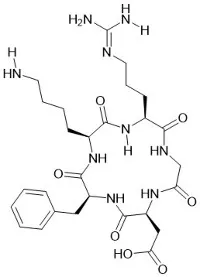
Sometimes, you might want to add some special additives to the culture medium to study certain aspects of the cells. For example, if you're interested in studying the effects of peptides on Tet - 213 cells, you can add peptides like Exendin - 4, Fibrinogen β - Chain (10 - 28), or Cyclo(RGDyC). These peptides can have different effects on cell growth, differentiation, and signaling pathways.
Troubleshooting
If you run into problems while culturing Tet - 213 cells, don't worry. Here are some common issues and solutions.
- Contamination: If you see cloudy medium or strange colors in the culture flask, it might be a sign of contamination. Make sure you're following strict aseptic techniques when handling the cells. If the contamination is severe, you might have to discard the culture and start over.
- Slow growth: If the cells aren't growing as fast as they should, check the culture conditions. Make sure the incubator temperature and CO₂ levels are correct. Also, check the quality of the culture medium and FBS.
- Cell death: If you notice a lot of dead cells in the culture, it could be due to improper thawing, over - trypsinization, or toxic additives. Review your procedures and make the necessary adjustments.
Conclusion
Culturing Tet - 213 cells can be a rewarding experience. With the right techniques and a bit of patience, you can grow healthy cells for your research. If you're interested in purchasing Tet - 213 cells or have any questions about cell culture, feel free to reach out to me. I'm here to help you with all your cell - related needs. Whether you're a seasoned researcher or just starting out, I can provide you with high - quality Tet - 213 cells and the support you need to make your experiments a success. So, don't hesitate to contact me for more information and to start your procurement process.
References
- Freshney, R. I. (2010). Culture of Animal Cells: A Manual of Basic Technique and Specialized Applications. Wiley - Blackwell.
- ATCC (American Type Culture Collection). Guidelines for cell culture. Available at the ATCC official website.