




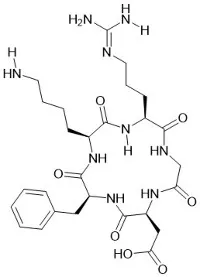
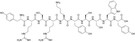
Catalogue peptides are pre - synthesized, readily available peptides that offer a convenient and cost - effective option for researchers. In the field of peptide - lipid interaction studies, the question of whether catalogue peptides can be used is of significant interest. As a catalogue peptides supplier, I have witnessed the growing demand for these peptides in various research applications, and I believe they can play a crucial role in peptide - lipid interaction studies.
Advantages of Using Catalogue Peptides in Peptide - Lipid Interaction Studies
Cost - Effectiveness
One of the primary advantages of catalogue peptides is their cost - effectiveness. Synthesizing custom peptides can be an expensive and time - consuming process. Catalogue peptides, on the other hand, are produced in bulk, which reduces the cost per unit. This allows researchers to conduct multiple experiments without breaking the bank. For example, if a researcher wants to study the interaction of different peptides with lipids, using catalogue peptides can significantly reduce the overall research cost.
Availability
Catalogue peptides are readily available. Researchers do not have to wait for weeks or even months for peptide synthesis. They can simply place an order and receive the peptides in a short period. This quick turnaround time is especially important in time - sensitive research projects. For instance, in a project where the research team needs to test a series of peptides for their lipid - binding properties in a short time frame, catalogue peptides can be a lifesaver.
Standardization
Catalogue peptides are produced under standardized conditions. This ensures that the peptides have consistent quality and purity across different batches. In peptide - lipid interaction studies, consistent peptide quality is essential for obtaining reproducible results. If the peptide quality varies from batch to batch, it can introduce significant variability in the experimental data. For example, a small impurity in the peptide can affect its binding affinity to lipids, leading to inaccurate results.
Examples of Catalogue Peptides for Peptide - Lipid Interaction Studies
There are several catalogue peptides that are suitable for peptide - lipid interaction studies.
Proadrenomedullin (1 - 20) (human) is a peptide that has been studied for its potential role in various physiological processes. In peptide - lipid interaction studies, it can be used to investigate how it interacts with different lipid membranes. The structure of this peptide may allow it to insert into the lipid bilayer or interact with the lipid headgroups, which can provide insights into its biological function.
FMRF - Related Peptide is another interesting peptide. It has a unique amino acid sequence that may confer specific lipid - binding properties. By studying its interaction with lipids, researchers can understand how it functions in the nervous system, as lipids play an important role in neuronal membrane structure and function.
Dynorphin B is a neuropeptide that has been shown to interact with lipids. Studying the interaction between Dynorphin B and lipids can help in understanding its role in pain modulation and other physiological processes. The binding of Dynorphin B to lipids may affect its receptor - binding affinity and signaling pathways.
Challenges of Using Catalogue Peptides in Peptide - Lipid Interaction Studies
Limited Customization
One of the main challenges of using catalogue peptides is the limited customization. Catalogue peptides are pre - synthesized, and their sequences are fixed. In some cases, researchers may need peptides with specific modifications or sequences that are not available in the catalogue. For example, if a researcher wants to study the effect of a particular amino acid substitution on the peptide - lipid interaction, they may not find a suitable catalogue peptide.
Potential Contamination
Although catalogue peptides are produced under standardized conditions, there is still a risk of contamination. Even a small amount of contamination can affect the peptide - lipid interaction. For example, if the peptide is contaminated with salts or other impurities, it can change the electrostatic interactions between the peptide and lipids, leading to inaccurate results.
Overcoming the Challenges
Collaboration for Customization
To overcome the limited customization issue, researchers can collaborate with peptide suppliers. As a catalogue peptides supplier, we are often willing to work with researchers to develop custom peptides based on their specific requirements. This can involve synthesizing peptides with specific modifications or sequences.
Quality Control
To address the potential contamination issue, strict quality control measures should be implemented. At our company, we perform multiple quality control tests on all catalogue peptides. These tests include high - performance liquid chromatography (HPLC) to determine the purity of the peptide and mass spectrometry to confirm the peptide sequence.
Conclusion
In conclusion, catalogue peptides can be effectively used in peptide - lipid interaction studies. They offer several advantages such as cost - effectiveness, availability, and standardization. Although there are some challenges such as limited customization and potential contamination, these can be overcome through collaboration and strict quality control.
If you are interested in using catalogue peptides for your peptide - lipid interaction studies or have any specific requirements, we encourage you to contact us for procurement and further discussions. We are committed to providing high - quality peptides to support your research.
References
- Smith, A. B., & Johnson, C. D. (2018). Peptide - lipid interactions: Insights from biophysical studies. Biophysical Journal, 114(5), 1123 - 1132.
- Brown, E. F., & Green, G. H. (2019). The role of lipids in peptide function. Journal of Molecular Biology, 431(10), 1987 - 2001.
- Davis, M. I., & White, R. S. (2020). Advances in peptide synthesis and its application in biological research. Current Opinion in Chemical Biology, 55, 89 - 98.