




Hey there! I'm a supplier of Tet - 213 cells, and today I'm gonna walk you through how to perform immunofluorescence staining on these cells. Immunofluorescence staining is a super useful technique in the world of cell biology. It helps us visualize specific proteins within cells, giving us a better understanding of their functions and locations.
Preparing the Tet - 213 Cells
First things first, we need to get our Tet - 213 cells ready. Start by growing them in an appropriate culture medium. These cells usually do well in a medium like RPMI 1640 supplemented with 10% fetal bovine serum (FBS) and 1% penicillin - streptomycin. Incubate the cells at 37°C in a 5% CO₂ atmosphere.
Once the cells reach about 70 - 80% confluency, it's time to start the staining process. You'll need to seed the cells onto coverslips in a 24 - well plate. This makes it easier to handle the cells during the staining steps. Use a pipette to carefully transfer the cell suspension onto the coverslips. Make sure to distribute the cells evenly.
Fixing the Cells
After the cells have attached to the coverslips (usually after 24 hours), it's time to fix them. Fixation is crucial as it preserves the cell structure and keeps the proteins in place. You can use a fixative like 4% paraformaldehyde (PFA) in phosphate - buffered saline (PBS). Add enough PFA to cover the cells on the coverslips and let it sit at room temperature for about 15 - 20 minutes.
Once the fixation is done, wash the cells three times with PBS. Each wash should last for about 5 minutes. This helps remove any excess fixative from the cells.
Permeabilization
Next up is permeabilization. This step allows the antibodies to enter the cells and bind to the target proteins. Use a permeabilizing agent like 0.1% Triton X - 100 in PBS. Add the permeabilizing solution to the cells and let it incubate at room temperature for about 10 minutes.
After that, wash the cells three times with PBS again, just like in the previous step. This ensures that the permeabilizing agent is completely removed.
Blocking
Blocking is an important step to prevent non - specific binding of the antibodies. You can use a blocking solution such as 5% bovine serum albumin (BSA) in PBS. Add the blocking solution to the cells and let it incubate at room temperature for about 1 hour.
Primary Antibody Incubation
Now it's time to add the primary antibody. The primary antibody is specific to the protein you want to detect in the Tet - 213 cells. Dilute the primary antibody in the blocking solution according to the manufacturer's instructions.
Carefully remove the blocking solution from the cells and add the diluted primary antibody. Make sure to cover the cells completely with the antibody solution. Incubate the cells with the primary antibody overnight at 4°C. This long incubation time allows the antibody to bind effectively to the target protein.
The next day, wash the cells three times with PBS, with each wash lasting about 5 minutes. This gets rid of any unbound primary antibody.
Secondary Antibody Incubation
After the primary antibody incubation, it's time for the secondary antibody. The secondary antibody is labeled with a fluorescent dye, which allows us to visualize the target protein under a fluorescence microscope.
Dilute the secondary antibody in the blocking solution as per the manufacturer's instructions. Remove the PBS from the cells and add the diluted secondary antibody. Incubate the cells at room temperature for about 1 - 2 hours in the dark. The dark environment is important to prevent the fluorescent dye from fading.
Once the incubation is over, wash the cells three times with PBS, just like before.
Counterstaining
Counterstaining is used to visualize the cell nuclei. You can use a dye like DAPI (4',6 - diamidino - 2 - phenylindole). Dilute DAPI in PBS and add it to the cells. Let it incubate at room temperature for about 5 minutes.
After that, wash the cells once more with PBS to remove any excess DAPI.
Mounting
Finally, it's time to mount the coverslips onto microscope slides. Use a mounting medium, which helps keep the cells in place and also preserves the fluorescence. Carefully place a drop of mounting medium on a microscope slide and then invert the coverslip onto the drop. Make sure there are no air bubbles trapped between the coverslip and the slide.
Imaging
Now you're ready to image the cells under a fluorescence microscope. Use the appropriate filters to visualize the fluorescent signals from the secondary antibody and the DAPI. You can take multiple images at different fields of view to get a good representation of the cells.
Using Related Peptides in the Process
During the cell culture and staining process, you might also find some peptides useful. For example, (Gly14)-Humanin (human) has been shown to have some beneficial effects on cell viability and function. You can add it to the culture medium to see if it affects the protein expression you're studying in the Tet - 213 cells.
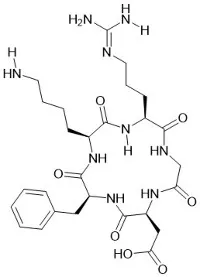
Fibronectin CS1 Peptide can be used to coat the coverslips before seeding the cells. This can enhance cell attachment and spreading, making the staining process more efficient.
Endothelin - 1 (11 - 21) might also play a role in the signaling pathways within the Tet - 213 cells. You can add it to the culture medium and then study how it affects the target protein expression through immunofluorescence staining.
Conclusion
Performing immunofluorescence staining on Tet - 213 cells can be a bit of a tricky process, but if you follow these steps carefully, you should be able to get some great results. It's a powerful technique that can give you valuable insights into the biology of these cells.
If you're interested in purchasing Tet - 213 cells or any of the related peptides mentioned in this blog, feel free to reach out to us for more information and to start a procurement discussion. We're here to help you with all your cell biology needs.
References
- Alberts, B., Johnson, A., Lewis, J., Raff, M., Roberts, K., & Walter, P. (2002). Molecular Biology of the Cell. Garland Science.
- Pollard, T. D., & Earnshaw, W. C. (2004). Cell Biology. Saunders.