




The purity requirement for peptide APIs (Active Pharmaceutical Ingredients) is a critical aspect in the pharmaceutical industry, and as a peptide APIs supplier, I understand the significance of maintaining high - level purity standards. In this blog, I will delve into what the purity requirements for peptide APIs are, why they matter, and how we ensure the purity of our products.
What are Peptide APIs?
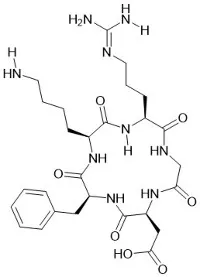
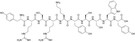
Peptide APIs are the biologically active components in peptide - based drugs. Peptides are short chains of amino acids linked by peptide bonds. They play vital roles in various physiological processes in the human body, such as regulating metabolism, immune response, and cell - to - cell communication. Due to their high specificity and low toxicity, peptides have become an increasingly important class of drugs in treating a wide range of diseases, including diabetes, cancer, and cardiovascular diseases.
The Purity Requirement for Peptide APIs
The purity of peptide APIs refers to the proportion of the target peptide in the final product, excluding impurities such as by - products, solvents, and residual reagents. Generally, the purity requirement for peptide APIs is quite high, often above 95%. In some cases, especially for peptides used in injectable drugs or in clinical trials, the purity requirement can reach 98% or even higher.
The reason for such high purity requirements is mainly related to patient safety and drug efficacy. Impurities in peptide APIs may cause adverse reactions in patients. For example, some by - products may have unexpected biological activities, which can interfere with the normal physiological functions of the body or cause allergic reactions. Moreover, impurities can also affect the stability and solubility of the peptide drug, thereby reducing its efficacy.
Factors Affecting Peptide API Purity
Synthesis Process
The synthesis of peptides is a complex process, and the choice of synthesis method and reaction conditions can significantly affect the purity of the final product. Solid - phase peptide synthesis (SPPS) is the most commonly used method for peptide synthesis. However, during the synthesis process, incomplete coupling reactions, side - chain reactions, and premature chain termination can occur, leading to the formation of impurities. For instance, in the synthesis of Fmoc - Ala - Aib - OH, if the coupling reaction between Fmoc - Ala and Aib - OH is not complete, unreacted starting materials will remain in the product, reducing its purity.
Purification Method
After synthesis, peptide products need to be purified to remove impurities. Common purification methods include high - performance liquid chromatography (HPLC), ion - exchange chromatography, and gel - filtration chromatography. The effectiveness of these purification methods depends on many factors, such as the column packing material, mobile phase composition, and separation conditions. For example, in the purification of Fmoc - Ser(tBu) - Aib - OH, if the HPLC column is not properly selected or the mobile phase conditions are not optimized, some impurities may not be effectively separated from the target peptide, resulting in a lower - purity product.
Storage Conditions
The storage conditions of peptide APIs can also affect their purity. Peptides are sensitive to temperature, humidity, and light. Improper storage can lead to peptide degradation, oxidation, or hydrolysis, which in turn reduces the purity of the product. For example, peptides containing cysteine residues are prone to oxidation, forming disulfide - linked dimers or multimers. Therefore, peptide APIs should be stored at low temperatures, preferably in a freezer, and protected from light and moisture.
How We Ensure the Purity of Peptide APIs
As a peptide APIs supplier, we have established a strict quality control system to ensure the purity of our products.
Advanced Synthesis Technology
We use state - of - the - art solid - phase peptide synthesis technology and carefully optimize the reaction conditions to minimize the formation of impurities. Our experienced chemists monitor the synthesis process at every step, from amino acid activation to coupling reactions, to ensure the high efficiency and selectivity of the synthesis.
Multiple Purification Steps
We employ multiple purification methods in sequence to achieve high - purity peptide products. After the initial purification by HPLC, we may further purify the product by other chromatography methods to remove any remaining trace impurities. For example, in the purification of Boc - His(Boc) - Aib - OH, we first use reverse - phase HPLC to separate the target peptide from most of the impurities, and then use ion - exchange chromatography to further refine the product.
Comprehensive Quality Testing
Before releasing the products, we conduct comprehensive quality testing to ensure that they meet the purity requirements. We use a variety of analytical techniques, such as HPLC, mass spectrometry (MS), and nuclear magnetic resonance (NMR), to accurately determine the purity and identity of the peptide APIs. Our quality control laboratory is equipped with advanced instruments and staffed by highly trained technicians, ensuring the accuracy and reliability of the test results.


Conclusion
The purity requirement for peptide APIs is a crucial factor in the pharmaceutical industry. High - purity peptide APIs are essential for ensuring patient safety and drug efficacy. As a peptide APIs supplier, we are committed to providing high - quality products that meet the strictest purity standards. We continuously invest in research and development to improve our synthesis and purification technologies, and we adhere to strict quality control procedures to ensure the reliability of our products.
If you are interested in our peptide APIs or have any questions about peptide purity requirements, please feel free to contact us for procurement and further discussions. We look forward to establishing long - term partnerships with you.
References
- Goodman, M., et al. (Eds.). (2003). Handbook of Peptide Synthesis. CRC Press.
- Fields, G. B. (1997). Solid - phase peptide synthesis. Methods in Enzymology, 289, 69 - 137.
- Kates, S. A., & Albericio, F. (Eds.). (2000). Solid - phase Synthesis: A Practical Guide. Marcel Dekker.