




Transfection is a crucial technique in molecular biology that allows the introduction of foreign nucleic acids into cells, enabling researchers to study gene function, protein expression, and cellular signaling pathways. Tet-213 cells, a human neuroblastoma cell line, are commonly used in neuroscience research due to their neuronal properties. In this blog post, I will share some insights on how to transfect Tet-213 cells effectively, drawing on my experience as a Tet-213 cell supplier.
Understanding Tet-213 Cells
Before delving into the transfection process, it's important to understand the characteristics of Tet-213 cells. These cells are derived from a human neuroblastoma and exhibit neuronal features such as the ability to extend neurites and express neuronal markers. They are adherent cells that grow well in standard cell culture conditions, typically in a medium supplemented with fetal bovine serum (FBS) and antibiotics.
Choosing the Right Transfection Method
There are several methods available for transfecting cells, each with its own advantages and limitations. The choice of transfection method depends on various factors, including the type of nucleic acid to be transfected, the cell type, and the desired transfection efficiency. Here are some common transfection methods suitable for Tet-213 cells:
Lipid-Based Transfection
Lipid-based transfection is one of the most widely used methods for introducing nucleic acids into cells. It involves the use of lipid-based reagents that form complexes with the nucleic acid, which are then taken up by the cells through endocytosis. Lipid-based transfection is relatively easy to perform and can achieve high transfection efficiencies in many cell types, including Tet-213 cells.
Electroporation
Electroporation is a physical method that uses an electric field to create temporary pores in the cell membrane, allowing the nucleic acid to enter the cells. This method is particularly useful for transfecting cells that are difficult to transfect using other methods, such as primary cells. However, electroporation can be more damaging to the cells and may require optimization of the electroporation parameters to achieve high transfection efficiencies.
Viral Transduction
Viral transduction involves the use of viral vectors to deliver the nucleic acid into the cells. Viral vectors are derived from viruses that have been engineered to carry the desired nucleic acid and can efficiently infect cells. Viral transduction can achieve high transfection efficiencies and can be used to transfect a wide range of cell types, including Tet-213 cells. However, viral transduction requires specialized equipment and expertise, and there are potential safety concerns associated with the use of viral vectors.
Preparing the Cells for Transfection
Proper cell preparation is essential for successful transfection. Here are some steps to follow when preparing Tet-213 cells for transfection:
Cell Culture
Maintain the Tet-213 cells in a suitable cell culture medium supplemented with FBS and antibiotics. Passage the cells regularly to maintain their exponential growth phase. It's important to use healthy, actively growing cells for transfection, as cells in a poor physiological state may have lower transfection efficiencies.
Cell Seeding
Seed the Tet-213 cells in a culture dish or multi-well plate at an appropriate density. The seeding density depends on the transfection method and the type of experiment. For lipid-based transfection, a seeding density of 50-80% confluency is typically recommended.
Cell Incubation
Incubate the seeded cells in a humidified incubator at 37°C with 5% CO2 for at least 24 hours before transfection to allow the cells to attach and recover from the seeding process.
Performing the Transfection
Once the cells are prepared, it's time to perform the transfection. Here is a general protocol for lipid-based transfection of Tet-213 cells:
Prepare the Transfection Reagent
Follow the manufacturer's instructions to prepare the lipid-based transfection reagent. Typically, this involves diluting the reagent in a suitable transfection medium.
Prepare the Nucleic Acid
Prepare the nucleic acid to be transfected, such as plasmid DNA or siRNA. Dilute the nucleic acid in a suitable transfection medium.
Form the Transfection Complex
Mix the diluted transfection reagent and the diluted nucleic acid in a tube and incubate at room temperature for 15-30 minutes to allow the formation of the transfection complex.
Add the Transfection Complex to the Cells
Remove the culture medium from the cells and replace it with fresh transfection medium. Add the transfection complex to the cells drop-wise and gently swirl the plate to distribute the complex evenly.
Incubate the Cells
Incubate the transfected cells in a humidified incubator at 37°C with 5% CO2 for the appropriate amount of time, depending on the type of nucleic acid and the experiment. For plasmid DNA transfection, an incubation time of 24-48 hours is typically sufficient to allow for gene expression.
Assessing the Transfection Efficiency
After the transfection, it's important to assess the transfection efficiency to determine whether the transfection was successful. There are several methods available for assessing transfection efficiency, including:
Fluorescence Microscopy
If the transfected nucleic acid encodes a fluorescent protein, such as GFP, fluorescence microscopy can be used to visualize the transfected cells. The percentage of fluorescent cells can be used as an estimate of the transfection efficiency.
Flow Cytometry
Flow cytometry can be used to quantify the percentage of transfected cells based on the expression of a fluorescent marker or a cell surface antigen. This method provides a more accurate and quantitative measure of transfection efficiency compared to fluorescence microscopy.
Western Blotting or qPCR
If the transfected nucleic acid encodes a protein of interest, Western blotting or qPCR can be used to detect the expression of the protein at the protein or mRNA level, respectively. This method can provide information on the level of gene expression and the functionality of the transfected protein.
Troubleshooting Common Transfection Problems
Transfection can sometimes be challenging, and there are several common problems that may occur. Here are some troubleshooting tips for common transfection problems:
Low Transfection Efficiency
- Check the quality and quantity of the nucleic acid. Make sure the nucleic acid is pure and of high quality.
- Optimize the transfection conditions, such as the transfection reagent concentration, the nucleic acid-to-reagent ratio, and the incubation time.
- Check the cell health and viability. Make sure the cells are healthy and actively growing before transfection.
- Try a different transfection method or reagent.
Cell Toxicity
- Reduce the concentration of the transfection reagent or the nucleic acid.
- Optimize the transfection conditions to minimize cell damage.
- Use a different transfection method or reagent that is less toxic to the cells.
Variable Transfection Efficiency
- Make sure the cells are seeded evenly and at the appropriate density.
- Mix the transfection complex thoroughly before adding it to the cells.
- Incubate the cells under consistent conditions to minimize variability.
Conclusion
Transfecting Tet-213 cells can be a challenging but rewarding process. By choosing the right transfection method, preparing the cells properly, and following the appropriate protocol, you can achieve high transfection efficiencies and obtain reliable results. If you have any questions or need further assistance with Tet-213 cell transfection, please don't hesitate to contact us. We are a leading supplier of Tet-213 cells and can provide you with high-quality cells, transfection reagents, and technical support.
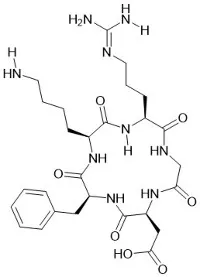
In addition to Tet-213 cells, we also offer a wide range of peptides, including Galanin (human), Cyclo(RGDfC), and Dynorphin A (1-13), Amide, Porcine. These peptides can be used in various research applications, such as neuroscience, cancer research, and drug discovery.
If you are interested in purchasing Tet-213 cells or any of our peptides, please contact us to discuss your specific needs. We look forward to working with you and helping you achieve your research goals.
References
- Sambrook, J., & Russell, D. W. (2001). Molecular cloning: A laboratory manual. Cold Spring Harbor Laboratory Press.
- Ausubel, F. M., Brent, R., Kingston, R. E., Moore, D. D., Seidman, J. G., Smith, J. A., & Struhl, K. (Eds.). (2002). Current protocols in molecular biology. John Wiley & Sons.
- Chen, C., & Okayama, H. (1987). High-efficiency transformation of mammalian cells by plasmid DNA. Molecular and Cellular Biology, 7(8), 2745-2752.
- Neumann, E., Schaefer-Ridder, M., Wang, Y., & Hofschneider, P. H. (1982). Gene transfer into mouse lyoma cells by electroporation in high electric fields. EMBO Journal, 1(7), 841-845.
- Naldini, L., Blomer, U., Gallay, P., Ory, D., Mulligan, R., Gage, F. H., ... & Verma, I. M. (1996). In vivo gene delivery and stable transduction of nondividing cells by a lentiviral vector. Science, 272(5259), 263-267.