




In the realm of proteolytic enzyme studies, peptide substrates play a pivotal role. These specialized molecules are essential tools for researchers aiming to understand the complex mechanisms of proteolysis, including enzyme specificity, activity regulation, and substrate cleavage patterns. As a leading peptide substrates supplier, we are committed to providing high - quality products that can significantly enhance your proteolytic enzyme research. In this blog, we will delve into the details of how to effectively use peptide substrates in proteolytic enzyme studies.
Understanding Peptide Substrates
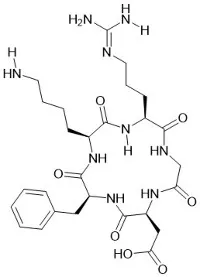
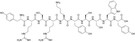
Peptide substrates are short chains of amino acids designed to mimic the natural substrates of proteolytic enzymes. They are carefully engineered to contain the specific amino acid sequences recognized by target proteases. When a proteolytic enzyme encounters a suitable peptide substrate, it will cleave the substrate at a specific site, resulting in the release of cleavage products. This cleavage event can then be detected and measured using a variety of methods, providing valuable information about the enzyme's activity and specificity.
Selecting the Appropriate Peptide Substrate
The first step in using peptide substrates in proteolytic enzyme studies is to select the right substrate for your specific research needs. Many factors should be considered during the selection process.
Enzyme Specificity
Different proteolytic enzymes have distinct substrate specificities, which are determined by the amino acid sequences surrounding the cleavage site. For example, trypsin is a serine protease that cleaves peptide bonds on the carboxyl side of lysine or arginine residues. Therefore, when studying trypsin, you should choose a peptide substrate that contains a lysine or arginine residue at the appropriate cleavage position. We offer a wide range of peptide substrates tailored to different proteolytic enzymes, such as Z - LLY - FMK CAS 133410 - 84 - 1, which is designed for specific proteolytic activities associated with certain types of proteases.
Detection Method
The detection method you plan to use also influences substrate selection. There are several common detection methods, including fluorescence, absorbance, and radioactive labeling. Fluorescently labeled peptide substrates are widely used because they allow for real - time and sensitive detection of enzyme activity. The cleavage of a fluorescent peptide substrate results in a change in fluorescence intensity, which can be easily monitored using a fluorescence reader. For instance, Suc - IIW - AMC is a fluorescent peptide substrate that can be used to measure the activity of certain proteases. When the substrate is cleaved by the target enzyme, the AMC moiety is released, and its fluorescence can be detected at a specific wavelength.
Experimental Conditions
Experimental conditions such as pH, temperature, and ionic strength can affect the performance of peptide substrates and proteolytic enzymes. Some enzymes are active under specific pH ranges, and the stability of peptide substrates may also be influenced by these conditions. Therefore, you need to choose a substrate that is compatible with your experimental conditions. Our technical support team can provide detailed information about the optimal conditions for using our peptide substrates to ensure the best experimental results.
Preparing Peptide Substrates
Once you have selected the appropriate peptide substrate, the next step is to prepare it for use in your experiments. The general steps for substrate preparation are as follows:
Dissolution
Most peptide substrates are supplied as lyophilized powders. To dissolve them, you should use an appropriate solvent. The choice of solvent depends on the properties of the substrate and the requirements of your experiment. For water - soluble peptide substrates, buffer solutions such as phosphate - buffered saline (PBS) or Tris - HCl buffer are commonly used. For hydrophobic peptide substrates, organic solvents such as dimethyl sulfoxide (DMSO) may be required. However, it is important to note that high concentrations of organic solvents can sometimes inhibit enzyme activity, so the final concentration of the solvent in the reaction mixture should be carefully controlled.
Concentration Determination
After dissolution, you need to determine the concentration of the peptide substrate solution. This can be done using various methods, such as absorbance measurement at a specific wavelength. For example, if your peptide substrate contains a chromogenic or fluorogenic group with a known molar extinction coefficient, you can use the Beer - Lambert law to calculate the substrate concentration based on the absorbance reading.
Conducting Proteolytic Enzyme Assays
With the peptide substrate prepared, you can now set up proteolytic enzyme assays. Here is a general protocol for a typical enzyme assay:
Reaction Setup
Prepare a reaction mixture containing the peptide substrate, proteolytic enzyme, and an appropriate reaction buffer. The buffer should provide the optimal pH and ionic strength for the enzyme activity. The reaction mixture is usually incubated at a specific temperature for a defined period of time. The temperature and incubation time depend on the characteristics of the enzyme and the experimental objectives. For example, some enzymes are most active at 37°C, while others may require lower or higher temperatures.
Monitoring the Reaction
During the incubation period, you can monitor the progress of the proteolytic reaction. If you are using a fluorescent or chromogenic peptide substrate, you can measure the change in fluorescence or absorbance at regular intervals using a suitable instrument. The increase or decrease in the signal over time reflects the enzymatic cleavage of the substrate.


Data Analysis
After the incubation, analyze the data obtained from the monitoring step. You can calculate the enzyme activity based on the rate of substrate cleavage. The enzyme activity is usually expressed as the amount of substrate cleaved per unit time. This value can be used to compare the activities of different enzymes, study the effects of enzyme inhibitors, or investigate the influence of various factors on enzyme activity. For example, if you are testing the inhibitory effect of a compound on an enzyme, you can measure the enzyme activity in the presence and absence of the inhibitor and calculate the percentage of inhibition.
Using Peptide Substrates for Inhibitor Screening
Peptide substrates are also invaluable in inhibitor screening studies. Inhibitors can be used to regulate enzyme activity, investigate enzyme function, and develop potential therapeutic agents. To screen for proteolytic enzyme inhibitors using peptide substrates, follow these steps:
Prepare Inhibitor Solutions
Dissolve the potential inhibitors in an appropriate solvent at different concentrations. The solvents should be compatible with both the inhibitor and the enzyme assay system.
Set Up Inhibitor Assays
Prepare reaction mixtures containing the peptide substrate, proteolytic enzyme, and different concentrations of the inhibitor. Also, include a control reaction without the inhibitor. Incubate the reaction mixtures under the same conditions as in the regular enzyme assay.
Measure Inhibitory Effects
Monitor the enzyme activity in each reaction mixture using the same detection method as described above. Compare the enzyme activities in the presence and absence of the inhibitor to determine the inhibitory effect. You can plot a dose - response curve to calculate the IC50 value, which represents the concentration of the inhibitor required to inhibit 50% of the enzyme activity. Compounds like Calpain Inhibitor XI CAS 145731 - 49 - 3 can be used in such inhibitor screening assays, and our comprehensive product information can assist you in planning and executing these experiments.
Conclusion
Peptide substrates are indispensable tools in proteolytic enzyme studies. By carefully selecting the appropriate substrate, preparing it correctly, and conducting well - designed enzyme assays, researchers can gain valuable insights into the mechanisms of proteolysis. As a peptide substrates supplier, we are dedicated to providing high - quality products and professional technical support to meet your research needs. Whether you are studying enzyme kinetics, screening for inhibitors, or exploring new therapeutic targets, our peptide substrates can help you achieve your research goals.
If you are interested in learning more about our peptide substrates or have any questions regarding their use in your proteolytic enzyme studies, please feel free to contact us for detailed product information and to start a procurement discussion. Our experienced team is ready to assist you in finding the most suitable products for your specific research requirements.
References
- Barrett, A. J., & Salvesen, G. S. (Eds.). (1998). Proteolytic enzymes: a practical approach. Oxford University Press.
- Turk, B. E., & Craik, C. S. (2000). Approaches to the identification of active - site - directed inhibitors of proteases. Chemical Reviews, 100(12), 4159 - 4172.
- Rawlings, N. D., Barrett, A. J., & Finn, R. D. (2018). MEROPS: the database of proteolytic enzymes, their substrates and inhibitors in 2017 and a comparison with peptidases in the PANTHER database. Nucleic Acids Research, 46(D1), D624 - D632.