




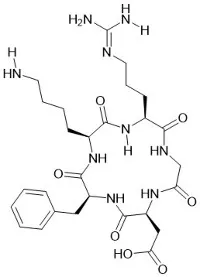
Exendin-3 is a peptide that has attracted significant attention in the field of medical research and pharmaceutical development. As a supplier of Exendin-3, I often encounter questions from researchers and industry professionals about its natural origin and whether it is a component of any natural products. In this blog post, I will delve into the scientific background of Exendin-3, explore its natural sources, and discuss its potential applications.
The Discovery and Structure of Exendin-3
Exendin-3 was first isolated from the venom of the Gila monster (Heloderma suspectum), a venomous lizard native to the southwestern United States and northwestern Mexico. The discovery of Exendin-3 and its close relative, Exendin-4, was a significant milestone in the field of diabetes research. These peptides were found to have a high degree of structural similarity to the human glucagon-like peptide-1 (GLP-1), a hormone that plays a crucial role in regulating blood glucose levels.
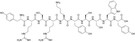
Exendin-3 is a 39-amino acid peptide with a specific amino acid sequence that confers its biological activity. Its structure is characterized by a helical conformation, which is important for its interaction with the GLP-1 receptor. The binding of Exendin-3 to the GLP-1 receptor activates a signaling cascade that leads to increased insulin secretion, reduced glucagon secretion, and delayed gastric emptying, all of which contribute to its hypoglycemic effects.
Exendin-3 as a Component of Natural Products
The primary natural source of Exendin-3 is the venom of the Gila monster. The venom of the Gila monster contains a complex mixture of proteins, peptides, and other bioactive molecules, which are used by the lizard for defense and prey capture. Exendin-3 is one of the peptides present in the venom, and it is thought to play a role in the lizard's ability to immobilize its prey.
While Exendin-3 is found in the venom of the Gila monster, it is not typically considered a component of traditional natural products in the sense of being derived from plants, fungi, or other common natural sources. However, the discovery of Exendin-3 in the Gila monster venom has opened up new avenues for drug discovery and development, as it has led to the development of synthetic analogs of Exendin-3 that are used in the treatment of type 2 diabetes.

Potential Applications of Exendin-3
The most well-known application of Exendin-3 and its analogs is in the treatment of type 2 diabetes. Synthetic analogs of Exendin-3, such as exenatide, have been approved by the US Food and Drug Administration (FDA) for the treatment of type 2 diabetes. These drugs work by mimicking the action of GLP-1, which helps to regulate blood glucose levels and improve glycemic control.
In addition to its use in diabetes treatment, Exendin-3 has also shown potential in other areas of medical research. For example, studies have suggested that Exendin-3 may have neuroprotective effects, which could make it a potential therapeutic agent for the treatment of neurodegenerative diseases such as Alzheimer's disease. Furthermore, Exendin-3 has been investigated for its potential use in the treatment of obesity, as it can help to reduce appetite and promote weight loss.
Our Exendin-3 Products
As a supplier of Exendin-3, we offer high-quality peptides that are suitable for a variety of research applications. Our Exendin-3 products are synthesized using state-of-the-art peptide synthesis techniques and are rigorously tested to ensure their purity, quality, and biological activity.
We understand the importance of providing reliable and consistent products to our customers, and we are committed to meeting their specific needs. Whether you are conducting basic research on the mechanism of action of Exendin-3 or developing new therapeutic agents based on its structure, our Exendin-3 products can provide you with the tools you need to succeed.
Related Peptides and Their Applications
In addition to Exendin-3, we also offer a wide range of other peptides that are relevant to medical research and drug development. Some of these peptides include Fibronectin-Binding Protein, Beta-Amyloid (1-42), Mouse, Rat, and 3xFlag Peptide.
Fibronectin-binding proteins are important for cell adhesion and migration, and they have potential applications in tissue engineering and regenerative medicine. Beta-amyloid peptides are associated with the development of Alzheimer's disease, and they are widely used in research to study the pathogenesis of this neurodegenerative disorder. The 3xFlag peptide is a commonly used epitope tag that can be used to purify and detect proteins of interest.
Contact Us for Exendin-3 Procurement
If you are interested in purchasing Exendin-3 or any of our other peptide products, we encourage you to contact us for more information. Our team of experts is available to answer your questions, provide technical support, and assist you with your procurement needs.
We offer competitive pricing, fast turnaround times, and excellent customer service, and we are committed to helping you achieve your research goals. Whether you are a small research laboratory or a large pharmaceutical company, we have the products and services to meet your needs.
References
- Eng J, Kleinman WL, Singh L, et al. Isolation and characterization of exendin-4, an exendin-3 analogue, from Heloderma suspectum venom. Further evidence for an exendin receptor on dispersed acini from guinea pig pancreas. J Biol Chem. 1992;267(11):7402-7405.
- Drucker DJ. The biology of incretins: GLP-1 and GIP. Gastroenterology. 2006;130(2):580-591.
- Nauck MA, Buse JB, Heise T, et al. Exenatide added to oral combination therapy improves glycemic control in patients with type 2 diabetes: a randomized, placebo-controlled, 30-week study. Diabetes Care. 2007;30(5):1147-1154.
- Perry CJ, Greig NH. Exendin-4: a novel therapeutic approach for Alzheimer's disease. Expert Opin Investig Drugs. 2008;17(6):821-830.