




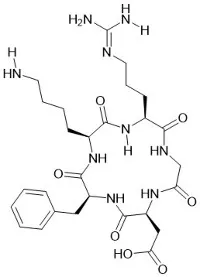
Tuftsin, a tetrapeptide with the sequence Thr-Lys-Pro-Arg, was first discovered in the 1970s. Since then, it has been the subject of extensive research due to its remarkable immunomodulatory properties. As a reliable Tuftsin supplier, I am excited to delve into the various applications of Tuftsin in clinical practice.
Immunomodulation and Anticancer Therapy
One of the most significant applications of Tuftsin lies in its immunomodulatory effects. Tuftsin can enhance the phagocytic activity of macrophages, neutrophils, and other immune cells. Macrophages are key players in the innate immune system, responsible for engulfing and destroying pathogens and cancer cells. By stimulating the phagocytic function of macrophages, Tuftsin can boost the body's natural defense mechanisms against cancer.
In pre - clinical studies, Tuftsin has been shown to inhibit the growth and metastasis of various types of cancer cells. It can increase the production of cytokines such as interleukin - 1 (IL - 1), interleukin - 6 (IL - 6), and tumor necrosis factor - alpha (TNF - α), which are involved in the immune response against cancer. These cytokines can activate other immune cells, including T - lymphocytes and natural killer (NK) cells, to target and eliminate cancer cells.
Moreover, Tuftsin can enhance the cytotoxic activity of NK cells. NK cells are a type of lymphocytes that can recognize and kill tumor cells without prior sensitization. By augmenting the function of NK cells, Tuftsin provides an additional line of defense against cancer. Some clinical trials are currently underway to evaluate the efficacy of Tuftsin in combination with traditional cancer therapies, such as chemotherapy and radiotherapy. The combination approach aims to improve the overall survival rate and quality of life of cancer patients.
Antimicrobial Activity
Tuftsin also exhibits potent antimicrobial activity. It can directly interact with the cell membranes of bacteria, fungi, and parasites, leading to their destruction. Tuftsin has been shown to be effective against a wide range of pathogens, including Escherichia coli, Staphylococcus aureus, and Candida albicans.
In the case of bacterial infections, Tuftsin can disrupt the integrity of the bacterial cell wall and membrane, causing leakage of intracellular contents and ultimately leading to cell death. It can also modulate the immune response against bacteria by promoting the recruitment and activation of immune cells to the site of infection.
For fungal infections, Tuftsin can inhibit the growth and adhesion of fungi to host tissues. It can also enhance the phagocytic activity of immune cells against fungal pathogens. In addition, Tuftsin has shown potential in the treatment of parasitic infections, such as malaria. It can interfere with the life cycle of parasites and enhance the immune response against them.
Wound Healing
Another important application of Tuftsin is in wound healing. Wound healing is a complex process that involves inflammation, cell proliferation, and tissue remodeling. Tuftsin can accelerate the wound - healing process by promoting cell migration, proliferation, and angiogenesis.
During the inflammatory phase of wound healing, Tuftsin can attract immune cells, such as macrophages and neutrophils, to the wound site. These immune cells can remove debris and pathogens from the wound, preventing infection. Tuftsin can also modulate the production of cytokines and growth factors, which are essential for cell proliferation and tissue repair.
In the proliferation phase, Tuftsin can stimulate the migration and proliferation of fibroblasts, endothelial cells, and keratinocytes. Fibroblasts are responsible for the synthesis of collagen, which provides structural support to the wound. Endothelial cells are involved in angiogenesis, the formation of new blood vessels, which is crucial for the supply of oxygen and nutrients to the healing tissue. Keratinocytes are responsible for re - epithelialization of the wound.
In the tissue - remodeling phase, Tuftsin can promote the remodeling of the extracellular matrix, ensuring the proper alignment and organization of collagen fibers. This leads to the formation of a strong and functional scar.
Neurological Applications
Recent research has also suggested potential neurological applications of Tuftsin. In the central nervous system, Tuftsin can modulate the function of microglia, the resident immune cells of the brain. Microglia play a crucial role in the immune defense of the brain and are involved in the pathogenesis of various neurological disorders, such as Alzheimer's disease and Parkinson's disease.
Tuftsin can regulate the activation state of microglia, preventing excessive activation and the release of pro - inflammatory cytokines, which can cause neuronal damage. It can also enhance the phagocytic activity of microglia against amyloid - beta plaques, which are characteristic of Alzheimer's disease.
In addition, Tuftsin has been shown to have neuroprotective effects. It can protect neurons from oxidative stress, apoptosis, and excitotoxicity. These effects make Tuftsin a potential therapeutic agent for the treatment of neurological disorders.
Related Peptides and Their Applications
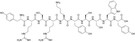
In addition to Tuftsin, there are other peptides with important biological activities. For example, [Tyr0] Bradykinin [/catalogue - peptides/tyr0 - bradykinin.html] is a peptide that is involved in the regulation of blood pressure, inflammation, and pain. It can cause vasodilation, increase vascular permeability, and stimulate the release of prostaglandins.
Prion Protein (106 - 126) (human) [/catalogue - peptides/prion - protein - 106 - 126 - human.html] is a peptide fragment of the prion protein. It has been used in research to study the pathogenesis of prion diseases, such as Creutzfeldt - Jakob disease.
Dynorphin A (1 - 13), Amide, Porcine [/catalogue - peptides/dynorphin - a - 1 - 13 - amide - porcine.html] is an opioid peptide that is involved in pain modulation, mood regulation, and stress response. It can bind to opioid receptors in the central nervous system and produce analgesic and sedative effects.
Conclusion and Call to Action
In conclusion, Tuftsin has a wide range of applications in clinical practice, including immunomodulation, anticancer therapy, antimicrobial activity, wound healing, and neurological applications. Its unique biological properties make it a promising therapeutic agent for various diseases.

As a Tuftsin supplier, we are committed to providing high - quality Tuftsin products to meet the needs of researchers and clinicians. If you are interested in exploring the potential of Tuftsin in your research or clinical practice, we invite you to contact us for more information and to discuss your procurement requirements.
References
- Najjar, V. A., & Nishioka, K. (1970). Tuftsin, a phagocytosis - promoting tetrapeptide. I. Isolation, amino acid composition, and amino - terminal residue. Proceedings of the National Academy of Sciences, 66(4), 1043 - 1049.
- Zimecki, M., & Kruzel, M. L. (2007). Tuftsin: a natural immunomodulator. Peptides, 28(7), 1369 - 1377.
- Sulkowski, E., & Sulkowska, M. (1988). Tuftsin: structure, function, and potential applications. Critical Reviews in Immunology, 8(3), 217 - 239.