




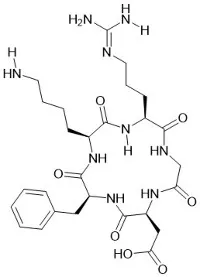

As a supplier of peptide APIs, I've witnessed firsthand the numerous challenges that come with their production. Peptide active pharmaceutical ingredients (APIs) are crucial in modern medicine, with applications ranging from treating chronic diseases to cosmetic formulations. However, the journey from raw materials to a high - quality peptide API is fraught with difficulties that require innovative solutions and meticulous attention to detail.

1. Raw Material Sourcing
One of the primary challenges in peptide API production is sourcing high - quality raw materials. Amino acids, the building blocks of peptides, need to be of the purest grade to ensure the final product's quality and efficacy. Contaminated or low - grade amino acids can lead to impurities in the peptide, which may have adverse effects on its biological activity and safety.
For instance, some amino acids are derived from natural sources, and their availability can be affected by factors such as climate change, crop diseases, and geopolitical issues. Moreover, the chemical synthesis of certain amino acids can be complex and expensive, making them scarce in the market. As a peptide API supplier, we often face the challenge of finding reliable suppliers who can provide consistent quality and quantity of these essential raw materials.
![Fmoc-L-Lys[Oct-(otBu)-Glu-(otBu)-AEEA-AEEA]-OH](/uploads/42783/fmoc-l-lys-oct-otbu-glu-otbu-aeea-aeea-ohee9a9.jpg)
Another aspect of raw material sourcing is the cost. High - purity amino acids can be quite expensive, especially those with specific modifications or rare configurations. This cost factor directly impacts the overall production cost of peptide APIs, making it necessary for us to optimize our sourcing strategies. We constantly evaluate different suppliers, negotiate prices, and explore alternative sources to balance cost and quality.
2. Peptide Synthesis
Peptide synthesis is a complex chemical process that involves the sequential addition of amino acids to form a peptide chain. There are two main methods of peptide synthesis: solid - phase peptide synthesis (SPPS) and solution - phase peptide synthesis.
Solid - Phase Peptide Synthesis (SPPS)
SPPS is the most commonly used method for peptide API production due to its simplicity and scalability. However, it also presents several challenges. One of the major issues is the coupling efficiency. The coupling reaction, which attaches each amino acid to the growing peptide chain, may not proceed to completion, resulting in truncated peptides. These truncated peptides are impurities that need to be removed during the purification process.
To improve coupling efficiency, we often use excess reagents and optimize reaction conditions such as temperature, reaction time, and solvent. However, using excess reagents can increase the cost and generate more waste, which is not environmentally friendly.
Another challenge in SPPS is the deprotection step. After each coupling reaction, the protecting group on the amino acid needs to be removed to allow for the next coupling. Incomplete deprotection can lead to blocked amino groups, preventing further chain elongation and resulting in low - yield synthesis.
Solution - Phase Peptide Synthesis
Solution - phase peptide synthesis is more suitable for large - scale production of simple peptides. However, it also has its own set of challenges. The purification of intermediate products in solution - phase synthesis can be difficult, as the peptides are in a homogeneous solution. Chromatographic techniques are often used for purification, but they can be time - consuming and expensive.
3. Purification
Purification is a critical step in peptide API production, as it ensures the removal of impurities and the attainment of the desired purity level. Peptide impurities can include truncated peptides, deletion peptides, and by - products from the synthesis process.

Chromatography is the most commonly used purification method for peptides. High - performance liquid chromatography (HPLC) is particularly effective in separating peptides based on their physical and chemical properties. However, HPLC has its limitations. It can be a slow process, especially for large - scale production. The cost of HPLC columns and solvents can also be high, adding to the overall production cost.
Another purification challenge is the scalability. Purification methods that work well in the laboratory may not be easily scalable to industrial production. We need to develop purification processes that can handle large volumes of peptides while maintaining high purity and yield.
4. Quality Control
Quality control is essential in peptide API production to ensure the safety and efficacy of the final product. Peptide APIs need to meet strict quality standards set by regulatory authorities such as the Food and Drug Administration (FDA) in the United States and the European Medicines Agency (EMA) in Europe.
One of the key aspects of quality control is the analysis of peptide purity. Techniques such as mass spectrometry, nuclear magnetic resonance (NMR), and high - performance liquid chromatography (HPLC) are used to determine the purity and identity of peptides. However, these analytical methods require specialized equipment and trained personnel, which can be costly.
In addition to purity analysis, quality control also involves testing for other parameters such as peptide concentration, moisture content, and microbial contamination. Any deviation from the specified quality standards can lead to product rejection, which can be a significant financial loss for the manufacturer.
5. Regulatory Compliance
The production of peptide APIs is subject to strict regulatory requirements. Regulatory authorities have established guidelines for the manufacturing, testing, and packaging of peptide APIs to ensure their safety, quality, and efficacy.
Complying with these regulations can be a challenge for peptide API suppliers. We need to have a well - documented quality management system in place to ensure that all production processes are in accordance with regulatory standards. This includes maintaining detailed records of raw material sourcing, synthesis processes, purification steps, and quality control results.
Moreover, regulatory requirements can vary from country to country, which means that we need to be familiar with the regulations in different markets. This can be particularly challenging when exporting peptide APIs to multiple countries.
6. Examples of Complex Peptide APIs
Some peptide APIs are more complex to produce than others. For example, Fmoc - L - Lys[Oct - (otBu) - Glu - (otBu) - AEEA - AEEA] - OH is a peptide with multiple protecting groups and a complex side - chain structure. The synthesis of this peptide requires precise control of reaction conditions to ensure the correct formation of the peptide bond and the protection of the functional groups.
Another example is C16 - (OtBu) - Glu(OSU) - OtBu. This peptide contains a long - chain fatty acid group, which can introduce additional challenges in terms of solubility and reactivity. The purification of this peptide can also be more difficult due to its amphiphilic nature.
Fmoc - Leu - Aib - OH is another complex peptide. The presence of the Aib (α - aminoisobutyric acid) residue can affect the peptide's secondary structure and solubility, making its synthesis and purification more challenging.
Conclusion
In conclusion, the production of peptide APIs is a complex and challenging process that requires expertise, innovation, and strict quality control. From raw material sourcing to regulatory compliance, every step in the production process presents its own set of challenges. However, as a peptide API supplier, we are committed to overcoming these challenges to provide high - quality peptide APIs to our customers.
If you are interested in purchasing peptide APIs or have any questions about our products, we invite you to contact us for further discussion. Our team of experts is ready to assist you in finding the right peptide API solutions for your specific needs.
References
- Chan, W. C., & White, P. D. (2000). Fmoc Solid Phase Peptide Synthesis: A Practical Approach. Oxford University Press.
- Fields, G. B., & Noble, R. L. (1990). Solid - phase peptide synthesis utilizing 9 - fluorenylmethoxycarbonyl amino acids. International Journal of Peptide and Protein Research, 35(2), 161 - 214.
- Atherton, E., & Sheppard, R. C. (1989). Solid Phase Peptide Synthesis: A Practical Approach. IRL Press.