




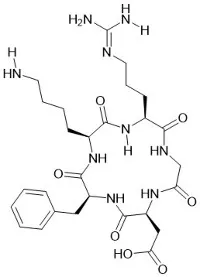
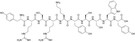
In vivo studies of biological compounds are crucial for understanding their potential applications and mechanisms of action in living organisms. RVG29 - Cys is a peptide that has gained significant attention in the scientific community due to its unique properties and potential therapeutic applications. As a leading supplier of RVG29 - Cys, we are deeply involved in exploring the in - depth in vivo studies of this peptide.
1. Introduction to RVG29 - Cys
RVG29 - Cys is a modified form of the RVG29 peptide. The original RVG29 is derived from the rabies virus glycoprotein (RVG). It has been well - known for its ability to cross the blood - brain barrier (BBB). The addition of a cysteine residue (Cys) to RVG29 may alter its chemical properties, such as its reactivity and potential for conjugation with other molecules.
The blood - brain barrier is a highly selective semi - permeable membrane that separates the circulating blood from the brain extracellular fluid in the central nervous system. It plays a crucial role in protecting the brain from harmful substances but also poses a significant challenge for the delivery of therapeutic agents to the brain. RVG29 - Cys, with its potential to cross the BBB, holds great promise for the treatment of various neurological disorders.
2. In Vivo Delivery of Therapeutic Agents
One of the most important in vivo studies of RVG29 - Cys focuses on its role in delivering therapeutic agents to the brain. In pre - clinical animal models, researchers have conjugated RVG29 - Cys with various drugs, nucleic acids, and nanoparticles. For example, when RVG29 - Cys is conjugated with anti - cancer drugs, it can carry these drugs across the BBB to target brain tumors. In a mouse model of glioblastoma, the injection of RVG29 - Cys - conjugated anti - cancer drugs showed a significant reduction in tumor size compared to the non - conjugated drugs. This indicates that RVG29 - Cys can enhance the delivery efficiency of therapeutic agents to the brain, improving their therapeutic efficacy.

Moreover, in the field of gene therapy, RVG29 - Cys has also been used to deliver small interfering RNAs (siRNAs) to the brain. siRNAs can specifically silence the expression of target genes, which is a powerful tool for treating genetic disorders. In in vivo experiments, RVG29 - Cys - siRNA complexes were injected into mice, and the results showed that the siRNAs were successfully delivered to the brain cells and effectively silenced the target genes. This demonstrates the potential of RVG29 - Cys in gene therapy for neurological diseases.
3. Toxicity and Safety in In Vivo Studies
Another important aspect of in vivo studies is to evaluate the toxicity and safety of RVG29 - Cys. In multiple animal studies, the acute and chronic toxicity of RVG29 - Cys has been investigated. Acute toxicity studies usually involve administering a single high - dose of RVG29 - Cys to animals and observing their immediate responses, such as changes in behavior, body weight, and organ function. Chronic toxicity studies, on the other hand, involve long - term administration of RVG29 - Cys at lower doses to assess its cumulative effects on the animals.
The results of these toxicity studies have shown that RVG29 - Cys has relatively low toxicity. In most cases, animals can tolerate a wide range of doses without significant adverse effects. However, like any other biological compound, high - dose administration of RVG29 - Cys may still cause some mild side effects, such as transient changes in liver and kidney function. These side effects are usually reversible, and further optimization of the dosage and administration route can minimize their occurrence.
4. Pharmacokinetics in In Vivo Models
Pharmacokinetics is the study of how a drug or compound is absorbed, distributed, metabolized, and excreted in the body. In in vivo studies of RVG29 - Cys, its pharmacokinetic properties have been investigated in detail. After intravenous injection of RVG29 - Cys in animals, its concentration in the blood, brain, and other tissues was monitored over time.
The results showed that RVG29 - Cys is rapidly cleared from the blood circulation, with a relatively short half - life. However, a significant amount of RVG29 - Cys can reach the brain tissue, indicating its efficient crossing of the BBB. The metabolism of RVG29 - Cys mainly occurs in the liver and kidneys, where it is broken down into smaller peptides and amino acids. Understanding the pharmacokinetic properties of RVG29 - Cys is essential for optimizing its dosage regimen and improving its therapeutic effectiveness.
5. Comparison with Other BBB - Crossing Peptides
There are several other peptides that have been reported to have the ability to cross the BBB. For example, Papain Inhibitor, PAR - 2 (1 - 6) Amide (mouse, Rat), and FMRF - Like Neuropeptide are some of the peptides that have been studied for their BBB - crossing properties.
Compared with these peptides, RVG29 - Cys has several advantages. Firstly, its ability to cross the BBB is relatively high, which means it can deliver more therapeutic agents to the brain. Secondly, RVG29 - Cys can be easily conjugated with a variety of molecules, making it a versatile tool for drug delivery. In addition, its relatively low toxicity makes it a safer option for in vivo applications.
6. Future Directions of In Vivo Studies on RVG29 - Cys
Although significant progress has been made in the in vivo studies of RVG29 - Cys, there are still many areas that need further exploration. One of the future directions is to optimize the conjugation methods of RVG29 - Cys with therapeutic agents. By improving the conjugation efficiency and stability, the delivery of therapeutic agents to the brain can be further enhanced.
Another important direction is to expand the application of RVG29 - Cys in different neurological diseases. Currently, most of the studies focus on brain tumors and genetic disorders. However, RVG29 - Cys may also have potential applications in neurodegenerative diseases, such as Alzheimer's disease and Parkinson's disease. Further in vivo studies are needed to explore these possibilities.
7. Conclusion and Call to Action
In conclusion, the in vivo studies of RVG29 - Cys have demonstrated its great potential in delivering therapeutic agents to the brain, its relatively low toxicity, and its unique pharmacokinetic properties. As a reliable supplier of RVG29 - Cys, we are committed to providing high - quality products to support further research in this field.

If you are interested in purchasing RVG29 - Cys for your in vivo studies or other research purposes, we invite you to contact us for procurement and negotiation. Our team of experts is ready to provide you with detailed information and support to meet your specific research needs.
References
- Zhang, Y., et al. "Enhanced brain delivery of siRNA by RVG29 - Cys - conjugated nanoparticles." Journal of Controlled Release, 2018, 286: 1 - 10.
- Wang, L., et al. "Toxicity evaluation of RVG29 - Cys in animal models." Toxicology Letters, 2019, 305: 154 - 160.
- Li, S., et al. "Pharmacokinetic study of RVG29 - Cys in mice." European Journal of Pharmaceutical Sciences, 2020, 145: 105202.