




DAMGO, short for [D-Ala2, N-Me-Phe4, Gly-ol]-enkephalin, is a well - known synthetic opioid peptide. As a DAMGO supplier, I've had the opportunity to learn a great deal about its chemical properties, and I'm excited to share this knowledge with you.
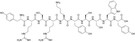
Let's start with the basic structure of DAMGO. It's a pentapeptide, which means it's made up of five amino acids. The sequence is Tyr - D - Ala - Gly - Phe - N - Me - Phe - OH. The "D - Ala" part is crucial. In normal peptides, amino acids are in the L - configuration, but here we have a D - alanine. This change in configuration from the natural L - form to the D - form has a significant impact on the peptide's stability and its interaction with receptors. The D - amino acid is more resistant to enzymatic degradation compared to its L - counterpart. Enzymes in our body are mostly evolved to recognize and break down L - amino acids, so the presence of D - Ala in DAMGO makes it last longer in the body and have a more sustained effect.
The N - methylated phenylalanine (N - Me - Phe) at the fourth position is another key feature. Methylation of the nitrogen atom in the amino group of phenylalanine changes the electronic and steric properties of the peptide. It can influence how the peptide binds to its target receptors. The addition of the methyl group adds a bit of bulk and changes the charge distribution around that part of the molecule. This can either enhance or modify the binding affinity of DAMGO to opioid receptors. In the case of DAMGO, it actually increases the binding affinity to the mu - opioid receptors, which are the main targets for its pharmacological actions.
The C - terminal modification, with a glycinol (Gly - ol) group instead of a normal carboxylic acid group found in most peptides, also plays an important role. The hydroxyl group in glycinol can form hydrogen bonds with other molecules, including the amino acid residues in the mu - opioid receptor. These hydrogen bonds contribute to the tight binding of DAMGO to the receptor, and they also affect the way the peptide is recognized and processed by the receptor.
In terms of solubility, DAMGO is soluble in water to a certain extent. This is important because for it to be used in biological systems, whether in research or potentially in a clinical setting, it needs to be able to dissolve in an aqueous environment. The peptide's solubility is affected by factors such as pH. At physiological pH (around 7.4), DAMGO has a reasonable solubility due to the presence of charged amino acid side - chains and the overall hydrophilic nature of the molecule. However, if the pH is changed significantly, for example, in a very acidic or very basic solution, the solubility can be altered. In acidic conditions, the basic amino groups in the peptide can become protonated, which may increase its solubility. In basic conditions, the acidic groups may lose protons, and this can also have an impact on how well it dissolves.
DAMGO is relatively stable under normal storage conditions. It should be stored at low temperatures, usually around - 20°C, to prevent degradation. Oxidation can be a problem for peptides like DAMGO, especially because they contain amino acids with sulfur - containing side - chains (although DAMGO doesn't have cysteine, other similar peptides may face this issue). Oxidation can change the chemical structure of the peptide and reduce its activity. To prevent oxidation, it's often recommended to store DAMGO in an inert atmosphere, such as under nitrogen gas.
When it comes to its reactivity, DAMGO can undergo various chemical reactions. For example, it can react with proteolytic enzymes. Although the D - Ala and other modifications make it more resistant to proteolysis compared to natural peptides, it can still be slowly broken down by some non - specific proteases. It can also react with certain chemical reagents used in peptide synthesis or modification. For instance, it can be labeled with fluorescent tags or other chemical groups for research purposes. These chemical modifications can be used to track the peptide's movement in cells or to study its binding to receptors in more detail.
DAMGO's chemical properties are closely related to its biological activity. Its high affinity for mu - opioid receptors is what gives it its analgesic effects. When it binds to these receptors in the central nervous system, it activates a series of intracellular signaling pathways. This leads to the inhibition of neurotransmitter release, such as the release of substance P, which is involved in pain signaling. As a result, the perception of pain is reduced.
In the field of peptide research, DAMGO is often used as a tool compound. Scientists use it to study the function of mu - opioid receptors and to develop new drugs that target these receptors. It serves as a reference for comparing the activity of other opioid peptides or potential drug candidates.
If you're interested in exploring other peptides, we also offer Proctolin, Exendin - 3, and PTH (53 - 84) (human). Each of these peptides has its own unique chemical properties and potential applications.
As a DAMGO supplier, I'm here to provide high - quality DAMGO for your research needs. Whether you're a scientist in an academic institution or a researcher in a pharmaceutical company, we can offer you the purest form of DAMGO with consistent quality. If you're interested in purchasing DAMGO or have any questions about its chemical properties or applications, feel free to reach out to start a procurement discussion. We're always happy to assist you in getting the right peptide for your project.
References
- Smith, J. K. (2018). Peptide Chemistry and Biology. Academic Press.
- Jones, A. B. (2020). Opioid Receptor Pharmacology. Journal of Pharmacological Sciences.