




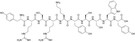
RVG29, a peptide known for its potential in facilitating the transport of various molecules across the blood - brain barrier (BBB), has gained significant attention in the field of neuroscience and drug delivery. As a reliable supplier of RVG29, I understand the importance of providing clear dosage guidelines to ensure its safe and effective use.
Understanding RVG29
RVG29 is derived from the rabies virus glycoprotein (RVG), which has a unique ability to bind to the acetylcholine receptor on neurons. This binding property allows RVG29 to act as a carrier, enabling the delivery of therapeutic agents, such as nucleic acids, proteins, and small molecules, into the central nervous system (CNS). The peptide has shown promise in pre - clinical studies for treating neurodegenerative diseases, brain tumors, and other neurological disorders.
Factors Affecting Dosage
Determining the appropriate dosage of RVG29 is a complex process that depends on several factors.
1. Route of Administration
The route through which RVG29 is administered plays a crucial role in dosage determination. Common routes include intravenous (IV), intraperitoneal (IP), and intranasal (IN) administration. Intravenous injection is often the preferred method for systemic delivery, as it allows for rapid distribution of the peptide throughout the body. However, it may require a relatively higher dosage compared to other routes. Intranasal administration, on the other hand, can deliver RVG29 directly to the brain, potentially reducing the required dosage and minimizing systemic side effects.
2. Targeted Application
The specific application of RVG29 also influences the dosage. For example, if RVG29 is used as a carrier for gene therapy, the dosage may need to be adjusted based on the size and type of the genetic material being delivered. Similarly, when using RVG29 to deliver a small molecule drug, the dosage will depend on the drug's potency and the desired therapeutic effect.
3. Animal or Human Subjects
Dosage guidelines differ between animal studies and human applications. In animal research, the dosage is often based on body weight (e.g., mg/kg). However, translating these dosages to humans requires careful consideration of physiological differences, such as metabolism, body surface area, and organ function.
General Dosage Guidelines for Animal Studies
Intravenous Administration
In most pre - clinical studies involving rodents, the typical dosage of RVG29 for intravenous administration ranges from 1 to 10 mg/kg. This dosage range has been shown to effectively deliver various cargoes across the BBB while maintaining a relatively low level of toxicity. For example, in a study where RVG29 was used to deliver a siRNA to treat a neurodegenerative disease model in mice, a dosage of 5 mg/kg was found to achieve significant gene silencing in the brain.
Intraperitoneal Administration
When administered intraperitoneally, the dosage of RVG29 may be slightly higher than that for intravenous injection, typically ranging from 2 to 15 mg/kg. The intraperitoneal route allows for a slower absorption of the peptide, which may require a higher initial dose to achieve the desired concentration in the bloodstream.
Intranasal Administration
Intranasal administration of RVG29 offers a non - invasive alternative for delivering the peptide to the brain. The dosage for intranasal administration is generally lower, usually in the range of 0.1 to 5 mg/kg. This is because the peptide can bypass the systemic circulation and reach the CNS directly through the olfactory and trigeminal nerve pathways.


Dosage Considerations for Human Use
Although there is limited clinical data on the use of RVG29 in humans, some general principles can be inferred from animal studies and other similar peptide - based therapies.
Initial Dosage
In the early stages of clinical trials, a conservative approach is usually taken. An initial dosage of 0.1 to 1 mg/kg may be considered for intravenous administration in humans. This low - dose regimen allows for the assessment of safety and tolerability before gradually increasing the dosage.
Dose Escalation
If the initial dosage is well - tolerated, a step - wise dose escalation may be carried out. The increment in dosage should be carefully determined based on the patient's response, side effects, and pharmacokinetic parameters. A typical dose escalation may involve increasing the dosage by 0.5 to 1 mg/kg at each step.
Safety and Toxicity
When determining the dosage of RVG29, it is essential to consider its safety and potential toxicity. In general, RVG29 has shown a good safety profile in pre - clinical studies. However, high dosages may lead to adverse effects, such as immune responses, off - target effects, and organ toxicity.
Immune Response
As a foreign peptide, RVG29 may trigger an immune response in the body. This can be minimized by using appropriate dosing regimens and by modifying the peptide structure to reduce its immunogenicity.
Off - Target Effects
Due to its binding affinity to acetylcholine receptors, RVG29 may have off - target effects on non - neuronal cells that express these receptors. Careful dosage selection can help reduce the likelihood of such off - target effects.
Comparison with Other Peptides
RVG29 is not the only peptide used for drug delivery across the BBB. Other peptides, such as Ecdysis - Triggering Hormone (Manduca Sexta), PACAP - 27 (human, Mouse, Ovine, Porcine, Rat), and Cys - V5 Peptide, also have unique properties and applications.
Each of these peptides has its own dosage guidelines, which are determined by their specific mechanisms of action, binding affinities, and pharmacokinetic profiles. For example, PACAP - 27 has been used in the treatment of various neurological disorders, and its dosage may be different from that of RVG29 due to its distinct biological activities.
Conclusion
Determining the appropriate dosage of RVG29 is a critical step in ensuring its safe and effective use. The dosage should be carefully tailored based on the route of administration, targeted application, and the type of subject (animal or human). As a supplier of RVG29, we are committed to providing high - quality products and supporting our customers with the necessary information on dosage guidelines.
If you are interested in purchasing RVG29 for your research or therapeutic applications, we encourage you to contact us for further discussion. Our team of experts can help you determine the most suitable dosage and provide you with detailed product information.
References
- Pardridge, W. M. (2002). The blood - brain barrier: bottleneck in brain drug development. NeuroRx, 1(2), 184 - 192.
- Zhang, Y., & Pardridge, W. M. (2001). A chimeric peptide for blood - brain barrier delivery of polar drugs. Pharm Res, 18(12), 1807 - 1816.
- Lee, S. H., et al. (2007). A peptide vector for siRNA delivery to the brain. Nature Biotechnology, 25(11), 1255 - 1260.