





DAMGO, also known as [D-Ala2, N-MePhe4, Gly-ol]-enkephalin, is a synthetic opioid peptide that has been the subject of extensive research in the field of neuroscience. As a leading supplier of DAMGO, we are deeply involved in understanding its various effects, especially its impact on anxiety. In this blog, we will explore the scientific evidence regarding the effects of DAMGO on anxiety and discuss its potential implications.
The Basics of DAMGO
DAMGO is a highly selective agonist for the mu-opioid receptor (MOR). Mu-opioid receptors are widely distributed in the central nervous system, particularly in areas associated with pain perception, reward, and emotional regulation. When DAMGO binds to the MOR, it activates a series of intracellular signaling pathways, leading to various physiological and behavioral effects.
DAMGO and Anxiety: The Current Understanding
Anxiety is a complex psychological and physiological state characterized by excessive worry, fear, and unease. It is influenced by a variety of factors, including neurotransmitter imbalances, genetic predisposition, and environmental stressors. Research on the effects of DAMGO on anxiety has yielded mixed results, which can be attributed to the complexity of the underlying neural mechanisms and the experimental conditions.
1. Potential Anxiolytic Effects
Some studies have suggested that DAMGO may have anxiolytic (anti - anxiety) effects. Activation of mu - opioid receptors by DAMGO can modulate the release of neurotransmitters such as dopamine, serotonin, and gamma - aminobutyric acid (GABA). For example, in the amygdala, a brain region crucial for processing fear and anxiety, DAMGO can enhance the release of GABA, an inhibitory neurotransmitter. This increase in GABAergic activity can dampen the excitability of amygdala neurons, leading to a reduction in anxiety - related behaviors.
In animal models, administration of DAMGO has been shown to decrease anxiety - like behaviors in tests such as the elevated plus - maze and the open - field test. These findings suggest that DAMGO may be able to alleviate anxiety by acting on the mu - opioid receptor - mediated neural circuits involved in emotional regulation.
2. Potential Anxiogenic Effects
On the other hand, there is also evidence indicating that DAMGO may have anxiogenic (anxiety - promoting) effects under certain conditions. Chronic exposure to DAMGO can lead to adaptations in the mu - opioid receptor system, including receptor desensitization and down - regulation. These adaptations can disrupt the normal balance of neurotransmitter release and neural signaling, potentially resulting in increased anxiety.
Moreover, the rewarding properties of DAMGO can also contribute to anxiety - like behaviors. Opioid use, including the use of DAMGO, can lead to dependence and withdrawal symptoms. During withdrawal, individuals may experience heightened anxiety, irritability, and restlessness. This suggests that the long - term use of DAMGO may have negative consequences for anxiety regulation.
The Role of Different Brain Regions
The effects of DAMGO on anxiety are also influenced by the specific brain regions where the mu - opioid receptors are activated.
1. Amygdala
As mentioned earlier, the amygdala plays a central role in anxiety regulation. DAMGO can directly act on mu - opioid receptors in the amygdala to modulate its activity. However, the exact nature of the effect depends on the sub - regions of the amygdala and the pattern of receptor activation. For example, activation of mu - opioid receptors in the basolateral amygdala may have different effects compared to activation in the central amygdala.
2. Hippocampus
The hippocampus is another important brain region involved in anxiety and memory. DAMGO can affect hippocampal function by modulating synaptic plasticity and neurotransmitter release. Disruptions in hippocampal function can lead to cognitive deficits and increased anxiety. For instance, chronic DAMGO exposure may impair hippocampal - dependent learning and memory, which can in turn contribute to anxiety - like behaviors.
3. Prefrontal Cortex
The prefrontal cortex is responsible for executive functions such as decision - making, impulse control, and emotional regulation. Activation of mu - opioid receptors in the prefrontal cortex by DAMGO can influence its connectivity with other brain regions involved in anxiety, such as the amygdala. Alterations in prefrontal cortex function can lead to dysregulation of emotional responses and increased anxiety.
Implications for Clinical Use and Research
The complex effects of DAMGO on anxiety have important implications for both clinical use and further research.
1. Clinical Use
Given the potential anxiolytic effects of DAMGO, it may have therapeutic potential for the treatment of anxiety disorders. However, the anxiogenic effects and the risk of dependence associated with DAMGO use need to be carefully considered. Future research should focus on developing strategies to maximize the anxiolytic effects of DAMGO while minimizing its negative side effects.
2. Research
Further research is needed to fully understand the mechanisms underlying the effects of DAMGO on anxiety. This includes investigating the role of different brain regions, neurotransmitter systems, and genetic factors. Additionally, studies should explore the long - term effects of DAMGO on anxiety regulation and the potential for developing novel mu - opioid receptor - based therapies for anxiety disorders.
Related Peptides and Their Potential in Anxiety Research
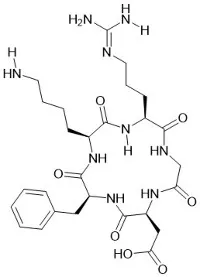
In addition to DAMGO, there are other peptides that may be relevant to anxiety research. For example, Endothelin - 3 (human, Mouse, Rabbit, Rat) has been shown to have effects on the cardiovascular system and may also play a role in the regulation of anxiety through its actions on the nervous system. E[c(RGDfK)]2 is a cyclic peptide that has potential applications in drug delivery and may be used to target specific brain regions involved in anxiety. Dynorphin A (1 - 9) is an endogenous opioid peptide that can interact with the mu - opioid receptor system and may modulate anxiety - related behaviors.
Conclusion
In conclusion, the effects of DAMGO on anxiety are complex and depend on a variety of factors, including the dose, duration of exposure, and the specific brain regions involved. While there is evidence suggesting both anxiolytic and anxiogenic effects, further research is needed to fully understand the underlying mechanisms and to develop safe and effective therapeutic strategies.
As a DAMGO supplier, we are committed to supporting scientific research in this area. We provide high - quality DAMGO and other related peptides to researchers around the world. If you are interested in purchasing DAMGO or other peptides for your research on anxiety or other neuroscience topics, we invite you to contact us for more information and to discuss your procurement needs. Our team of experts is ready to assist you in finding the right products for your research.
References
- Corder, G., Moser, P. C., & Kieffer, B. L. (2018). Opioid receptors: drivers of addiction’s multifaceted consequences. Nature Reviews Neuroscience, 19(1), 18 - 32.
- Tye, K. M., & Deisseroth, K. (2012). Optogenetic investigation of neural circuits underlying brain disease in animal models. Nature Reviews Neuroscience, 13(4), 251 - 266.
- Nestler, E. J. (2014). Neural mechanisms of addiction: the role of reward - related learning and memory. Neuron, 81(6), 1148 - 1161.