




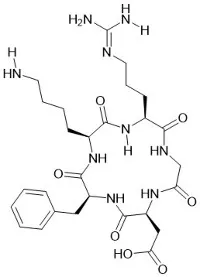
Hey there! As a supplier of peptide substrates, I'm super excited to dive into the topic of what peptide substrates are related to cardiovascular - related enzymes. Cardiovascular diseases are a major health concern worldwide, and understanding the role of peptide substrates in relation to cardiovascular - related enzymes can open up new avenues for research and treatment.
First off, let's talk about what peptide substrates are. Peptides are short chains of amino acids, and substrates are molecules that an enzyme acts upon. In the context of cardiovascular - related enzymes, peptide substrates are specific peptides that these enzymes can recognize and break down or modify in some way.
One of the key cardiovascular - related enzymes is angiotensin - converting enzyme (ACE). ACE plays a crucial role in regulating blood pressure by converting angiotensin I to angiotensin II, a potent vasoconstrictor. There are several peptide substrates related to ACE. For example, Hip - His - Leu is a well - known substrate for ACE. When ACE acts on Hip - His - Leu, it cleaves the peptide bond, and this reaction can be used to measure the activity of ACE in the laboratory. By using such peptide substrates, researchers can study how different drugs or compounds affect ACE activity, which is important for developing new antihypertensive medications.
Another important enzyme in the cardiovascular system is matrix metalloproteinases (MMPs). MMPs are a family of enzymes that are involved in the remodeling of the extracellular matrix in the heart and blood vessels. They play a role in processes like angiogenesis, wound healing, and the development of atherosclerotic plaques. Peptide substrates for MMPs are designed to mimic the natural substrates that these enzymes act on in the body. For instance, a peptide with a sequence that contains a specific cleavage site recognized by MMP - 2 can be used as a substrate. When MMP - 2 cleaves this peptide, it can be detected using various analytical techniques, such as fluorescence or absorbance measurements. This helps researchers understand the activity of MMPs in different physiological and pathological conditions.
Calpains are also significant cardiovascular - related enzymes. These are calcium - dependent cysteine proteases that are involved in a variety of cellular processes, including cell death, signal transduction, and cytoskeletal remodeling in the heart. There are specific peptide substrates for calpains. One such example is Calpain Inhibitor VI. This compound not only acts as a substrate but also has inhibitory properties. It can be used to study the activity of calpains and to develop strategies to modulate their function. By using Calpain Inhibitor VI, researchers can investigate how calpain activity is related to heart diseases like myocardial infarction and heart failure.
Caspases are another group of enzymes that are relevant to the cardiovascular system. Caspases are involved in apoptosis, or programmed cell death, which can occur in the heart under certain pathological conditions. Peptide substrates for caspases are designed to have a sequence that is recognized and cleaved by these enzymes. For example, a peptide substrate with a DEVD sequence is commonly used to detect caspase - 3 activity. Caspase - 3 is a key effector caspase in the apoptotic pathway. By using such peptide substrates, researchers can study the apoptotic process in the heart and develop drugs that can either inhibit or enhance caspase activity, depending on the therapeutic goal.
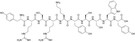
Now, let's talk about some of the specific peptide substrates we offer as a supplier. One of our popular products is Suc - IIW - AMC. This peptide substrate is often used in the study of proteases. It has a specific amino acid sequence that makes it a suitable substrate for certain proteases involved in the cardiovascular system. When the protease cleaves Suc - IIW - AMC, it releases AMC, which emits fluorescence. This fluorescence can be measured, allowing researchers to quantify the protease activity accurately.
Z - LLY - FMK is another product we offer. It is a cell - permeable peptide inhibitor that can also be used as a substrate in some cases. It is mainly used to target caspases and other cysteine proteases. By using Z - LLY - FMK, researchers can block the activity of these proteases and study the downstream effects on cell function in the cardiovascular context.
As a peptide substrate supplier, we understand the importance of providing high - quality products. Our peptide substrates are synthesized using state - of - the - art techniques and are rigorously tested for purity and activity. We offer a wide range of peptide substrates related to different cardiovascular - related enzymes, which can meet the diverse needs of researchers in the field.
If you're a researcher working on cardiovascular diseases or related topics, having access to reliable peptide substrates is crucial. Whether you're studying enzyme activity, developing new drugs, or exploring the molecular mechanisms of cardiovascular disorders, our peptide substrates can be valuable tools in your research.
We're always here to support you in your research. If you have any questions about our peptide substrates, such as which one is suitable for your specific experiment or how to use them, don't hesitate to reach out. We can also provide technical support and advice to ensure that you get the most out of our products.
If you're interested in purchasing our peptide substrates, we'd love to have a chat with you. We can discuss your requirements, provide you with a quote, and help you place an order. Just drop us a line, and we'll get back to you as soon as possible. Let's work together to advance the understanding and treatment of cardiovascular diseases through the use of high - quality peptide substrates.


References
- Murphy, G., & Nagase, H. (2008). Introduction to matrix metalloproteinases. Methods in Molecular Biology, 414, 1 - 6.
- Goll, D. E., Thompson, V. F., Li, H., Wei, W., & Cong, J. (2003). The calpain system. Physiological Reviews, 83(3), 731 - 801.
- Thornberry, N. A., & Lazebnik, Y. (1998). Caspases: enemies within. Science, 281(5381), 1312 - 1316.