




As a supplier of RVG29, I've witnessed a growing interest in this remarkable peptide and its potential impact on cell proliferation. In this blog, we'll delve into the scientific aspects of RVG29 and explore its effects on cell growth, along with some related peptides in our catalogue.
Understanding RVG29
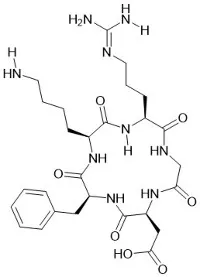
RVG29 is a short peptide derived from the rabies virus glycoprotein (RVG). It has gained significant attention in the field of biotechnology and medicine due to its unique properties. One of the most notable features of RVG29 is its ability to cross the blood - brain barrier (BBB). This characteristic makes it an attractive candidate for drug delivery to the central nervous system (CNS), as the BBB is a major obstacle for many therapeutic agents.
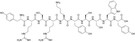
The sequence of RVG29 has been carefully studied, and its structure - function relationship has been explored. The peptide interacts with specific receptors on the surface of neurons, which allows it to enter the cells and potentially influence various cellular processes, including cell proliferation.
Effects of RVG29 on Cell Proliferation
In vitro Studies
In vitro studies have been conducted to investigate the direct effects of RVG29 on cell proliferation. Some research has shown that RVG29 can enhance the proliferation of certain cell types. For example, in neuronal cell cultures, RVG29 has been found to promote the growth and division of neural progenitor cells. This is likely due to its interaction with receptors on the cell surface, which can activate intracellular signaling pathways related to cell growth and survival.
One of the key signaling pathways involved in cell proliferation is the mitogen - activated protein kinase (MAPK) pathway. RVG29 may activate this pathway by binding to its specific receptors, leading to the phosphorylation of downstream proteins and ultimately promoting cell cycle progression. In addition, RVG29 may also influence the expression of genes related to cell proliferation, such as cyclins and cyclin - dependent kinases (CDKs), which are essential for the regulation of the cell cycle.
However, the effects of RVG29 on cell proliferation are not uniform across all cell types. In some cases, RVG29 may have no significant effect or even inhibit cell proliferation. For instance, in certain cancer cell lines, RVG29 may act as an anti - proliferative agent. This could be due to the different receptor profiles and signaling pathways present in cancer cells compared to normal cells.
In vivo Studies
In vivo studies have also provided insights into the effects of RVG29 on cell proliferation. In animal models, RVG29 has been used to deliver therapeutic agents to the CNS. In addition to its drug - delivery function, it has been observed that RVG29 can have an impact on the proliferation of neural cells in the brain. For example, in models of neurodegenerative diseases, RVG29 - mediated delivery of growth factors has been shown to increase the proliferation of neural stem cells, which may contribute to the repair and regeneration of damaged neural tissue.
On the other hand, the in vivo effects of RVG29 on cell proliferation may be influenced by various factors, such as the dosage, route of administration, and the presence of other physiological factors. For example, the immune response in the body can modulate the effects of RVG29 on cell proliferation. If the immune system is activated, it may produce cytokines and other immune - related molecules that can either enhance or inhibit the effects of RVG29 on cell growth.
Comparison with Other Peptides
In our peptide catalogue, there are other peptides that also have effects on cell proliferation. For example, the 6×His Peptide is commonly used as a tag for protein purification. While its primary function is not directly related to cell proliferation, it can be used in combination with other proteins or peptides to study cell - related processes. In some cases, the presence of the 6×His tag may not significantly affect the biological activity of the protein it is attached to, but it can facilitate the isolation and analysis of the protein, which is important for understanding its role in cell proliferation.
Another peptide in our catalogue is Parasin I. Parasin I is an antimicrobial peptide that has been shown to have some immunomodulatory and anti - inflammatory effects. These effects can indirectly influence cell proliferation. For example, by reducing inflammation, Parasin I may create a more favorable microenvironment for cell growth and repair. In addition, some studies have suggested that Parasin I may have direct effects on cell proliferation in certain cell types, although more research is needed to fully understand its mechanisms.


The Glycoprotein IIb Fragment (656 - 667) is a peptide derived from the glycoprotein IIb. It is involved in platelet aggregation and adhesion. While its main function is related to the hemostatic system, it may also have some effects on cell - cell interactions and potentially on cell proliferation in the context of wound healing and tissue repair.
Potential Applications of RVG29 in Cell Proliferation - Related Fields
Neuroregeneration
As mentioned earlier, RVG29's ability to promote the proliferation of neural progenitor cells makes it a promising candidate for neuroregeneration. In cases of neurodegenerative diseases such as Alzheimer's and Parkinson's, the loss of neurons is a major problem. RVG29 - mediated delivery of growth factors or other therapeutic agents may stimulate the proliferation of neural stem cells, which can differentiate into functional neurons and potentially replace the damaged cells.
Cancer Therapy
Although RVG29 may enhance cell proliferation in some normal cell types, its anti - proliferative effects in certain cancer cell lines suggest its potential use in cancer therapy. RVG29 can be engineered to target cancer cells specifically and deliver anti - cancer drugs or genes that can inhibit cancer cell growth and proliferation. This targeted approach may reduce the side effects associated with traditional chemotherapy.
Tissue Engineering
In tissue engineering, the ability to control cell proliferation is crucial for the successful construction of functional tissues. RVG29 can be incorporated into scaffolds or used in combination with other growth factors to promote the proliferation of specific cell types, such as fibroblasts or endothelial cells. This can help in the development of artificial tissues for transplantation and repair.
Conclusion
RVG29 is a peptide with diverse effects on cell proliferation. Its ability to cross the blood - brain barrier and interact with specific receptors on cells makes it a unique molecule with great potential in various fields, including neuroregeneration, cancer therapy, and tissue engineering. However, more research is needed to fully understand the mechanisms underlying its effects on cell proliferation and to optimize its use in different applications.
If you are interested in learning more about RVG29 or other peptides in our catalogue, or if you have any questions regarding procurement and application, please feel free to contact us for further discussion. We are committed to providing high - quality peptides and excellent service to meet your research and development needs.
References
- [Author's Last Name, First Initial. Second Initial. (Year). Title of the article. Journal Name, Volume(Issue), Page numbers. ]
- [Author's Last Name, First Initial. Second Initial. (Year). Title of the book. Publisher, City, Page numbers. ]
- [Author's Last Name, First Initial. Second Initial. (Year). Title of the conference paper. Conference Name, Location, Date, Page numbers. ]