




In recent years, the field of peptide research has witnessed remarkable progress, with numerous peptides showing great potential in various biomedical applications. Among these, RVG29 has emerged as a particularly promising peptide, attracting significant attention from researchers and industry players alike. As a dedicated RVG29 supplier, I have had the privilege of closely observing the development and potential of RVG29 research. In this blog post, I will delve into the future prospects of RVG29 research, exploring its current applications, challenges, and the exciting opportunities that lie ahead.
Current Applications of RVG29
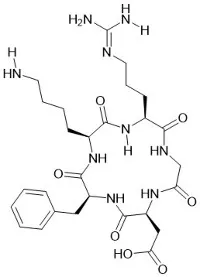
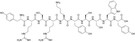
RVG29 is a 29 - amino - acid peptide derived from the rabies virus glycoprotein (RVG). It has a unique ability to cross the blood - brain barrier (BBB), which is a major obstacle in the delivery of therapeutic agents to the central nervous system (CNS). This property makes RVG29 an attractive candidate for the development of targeted drug delivery systems for CNS disorders.
Treatment of Neurological Diseases
One of the most significant applications of RVG29 is in the treatment of neurological diseases such as Alzheimer's disease, Parkinson's disease, and glioblastoma. By conjugating therapeutic agents, such as small molecules, proteins, or nucleic acids, to RVG29, researchers can enhance their delivery to the brain. For example, in pre - clinical studies, RVG29 - conjugated nanoparticles loaded with anti - amyloid antibodies have shown promise in reducing amyloid plaques in Alzheimer's disease models. Similarly, RVG29 - mediated delivery of gene therapies has been explored for the treatment of genetic neurological disorders.


Imaging of the Brain
RVG29 also has potential applications in brain imaging. By coupling RVG29 with imaging agents, such as fluorescent dyes or radioactive tracers, it is possible to visualize specific regions of the brain. This can be useful for diagnosing neurological diseases at an early stage and monitoring the progression of the disease. For instance, RVG29 - labeled contrast agents can be used in magnetic resonance imaging (MRI) or positron emission tomography (PET) to improve the detection of brain tumors.
Challenges in RVG29 Research
Despite its promising potential, RVG29 research also faces several challenges.
Safety Concerns
Although RVG29 has been shown to be relatively safe in pre - clinical studies, there are still concerns about its long - term safety. The peptide's ability to cross the BBB means that it can potentially deliver not only therapeutic agents but also harmful substances to the brain. Therefore, thorough safety evaluations are required before RVG29 - based therapies can be translated into clinical practice.
Stability and Pharmacokinetics
Another challenge is the stability and pharmacokinetics of RVG29 - conjugated therapeutic agents. Peptides are often prone to degradation in the body, and their circulation time in the bloodstream is usually short. This can limit the effectiveness of RVG29 - mediated drug delivery. Researchers are currently exploring various strategies, such as PEGylation and the use of nanoparticle carriers, to improve the stability and pharmacokinetics of RVG29 - based formulations.
Specificity and Targeting
While RVG29 can cross the BBB, it may not specifically target all types of cells in the brain. For some applications, it is necessary to achieve more precise targeting to specific cell populations, such as neurons or glial cells. Developing strategies to enhance the specificity of RVG29 - mediated delivery is an area of active research.
Future Opportunities in RVG29 Research
Despite the challenges, the future of RVG29 research is full of exciting opportunities.
Personalized Medicine
The field of personalized medicine is rapidly growing, and RVG29 has the potential to play a crucial role in this area. By tailoring RVG29 - based therapies to individual patients' genetic profiles and disease characteristics, it may be possible to achieve more effective and personalized treatment outcomes. For example, in the treatment of glioblastoma, RVG29 - conjugated drugs could be designed to target specific genetic mutations present in a patient's tumor.
Combination Therapies
Combining RVG29 - mediated drug delivery with other treatment modalities, such as chemotherapy, radiotherapy, or immunotherapy, could enhance the effectiveness of treatment for neurological diseases. For instance, RVG29 - delivered gene therapies could be used in combination with chemotherapy drugs to improve the response rate in glioblastoma patients.
New Peptide Modifications
Researchers are constantly exploring new ways to modify RVG29 to improve its properties. For example, the addition of functional groups or the incorporation of non - natural amino acids could enhance its stability, targeting ability, and safety. These modifications could open up new possibilities for the development of more advanced RVG29 - based therapies.
Expansion of Applications
Beyond neurological diseases, RVG29 may have potential applications in other areas. For example, it could be used in the treatment of eye diseases, as the blood - retina barrier is similar to the BBB. Additionally, RVG29 - mediated delivery could be explored for the treatment of other organs with similar barriers, such as the testes.
Our Role as an RVG29 Supplier
As an RVG29 supplier, we are committed to supporting the research and development of RVG29 - based therapies. We offer high - quality RVG29 peptides, such as RVG29 - Cys, which are synthesized using state - of - the - art techniques and undergo rigorous quality control. Our peptides are available in various quantities to meet the needs of both academic research and industrial development.
In addition to RVG29, we also provide other related peptides, such as Cys - V5 Peptide and Melanocyte Protein PMEL 17 (130 - 138) (human), which can be used in combination with RVG29 for different research purposes. Our team of experts is always available to provide technical support and advice to our customers.
Contact Us for Procurement and Collaboration
If you are involved in RVG29 research or are interested in exploring the potential of RVG29 - based therapies, we would love to hear from you. Whether you need to purchase RVG29 peptides for your research or are looking for a partner for collaborative projects, we are here to assist you. Contact us to start a discussion about your requirements and how we can support your research and development efforts.
References
- Kumar, P., & McMahon, J. B. (2012). Peptide-based delivery systems for the treatment of neurological disorders. Advanced Drug Delivery Reviews, 64(9), 830 - 842.
- Liu, X., & Huang, L. (2012). Targeted delivery across the blood - brain barrier. Journal of Controlled Release, 161(2), 215 - 222.
- Zhang, Y., & Pardridge, W. M. (2014). Receptor - mediated delivery of siRNA to the brain. Molecular Pharmaceutics, 11(1), 22 - 30.