




Quality control standards for peptide APIs are of paramount importance in the pharmaceutical and biotechnology industries. As a peptide APIs supplier, we understand the critical role that these standards play in ensuring the safety, efficacy, and quality of the final products. In this blog post, we will delve into the key quality control standards for peptide APIs, highlighting their significance and how we adhere to them in our manufacturing processes.
Chemical Purity
Chemical purity is one of the most fundamental quality control standards for peptide APIs. It refers to the proportion of the desired peptide in the sample, excluding any impurities such as other peptides, amino acids, solvents, or inorganic salts. High chemical purity is essential because impurities can affect the biological activity, stability, and safety of the peptide API.
To ensure high chemical purity, we employ a range of analytical techniques, including high-performance liquid chromatography (HPLC), mass spectrometry (MS), and nuclear magnetic resonance (NMR) spectroscopy. HPLC is commonly used to separate and quantify the peptide of interest from other components in the sample. MS provides information about the molecular weight and structure of the peptide, which helps to confirm its identity and detect any impurities. NMR spectroscopy can be used to determine the conformation and purity of the peptide at the atomic level.
In addition to these analytical techniques, we also implement strict manufacturing processes to minimize the introduction of impurities during peptide synthesis. This includes using high-quality raw materials, maintaining a clean and controlled manufacturing environment, and following good manufacturing practices (GMP).
Peptide Sequence Confirmation
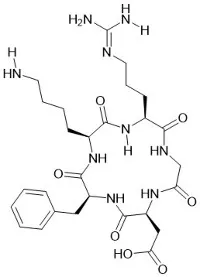
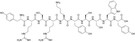
Confirming the correct peptide sequence is another crucial quality control standard for peptide APIs. A single amino acid substitution or deletion in the peptide sequence can significantly alter its biological activity and therapeutic efficacy. Therefore, it is essential to verify the sequence of the peptide API to ensure its identity and quality.
We use a combination of techniques to confirm the peptide sequence, including Edman degradation, MS sequencing, and gene sequencing. Edman degradation is a traditional method for sequencing peptides, which involves stepwise removal and identification of amino acids from the N-terminus of the peptide. MS sequencing, on the other hand, uses mass spectrometry to determine the amino acid sequence of the peptide based on its fragmentation pattern. Gene sequencing can be used to confirm the DNA sequence encoding the peptide, which indirectly confirms the peptide sequence.
Biological Activity
The biological activity of a peptide API is a key determinant of its therapeutic efficacy. Therefore, it is important to assess the biological activity of the peptide API to ensure that it meets the required specifications. The biological activity of a peptide can be measured using a variety of in vitro and in vivo assays, depending on the specific function of the peptide.
For example, if the peptide is a hormone, its biological activity can be measured by its ability to bind to its receptor and activate downstream signaling pathways. If the peptide is an enzyme inhibitor, its biological activity can be measured by its ability to inhibit the activity of the target enzyme. In vivo assays, such as animal studies, can also be used to evaluate the biological activity of the peptide API in a more physiological context.
We conduct rigorous biological activity assays to ensure that our peptide APIs have the desired biological effects. These assays are performed using validated methods and are closely monitored to ensure accuracy and reproducibility.
Impurity Profiling
Impurity profiling is an important aspect of quality control for peptide APIs. Impurities can be classified into different categories, including process-related impurities, product-related impurities, and degradation products. Process-related impurities are introduced during the manufacturing process, such as solvents, reagents, and catalysts. Product-related impurities are generated during the synthesis or storage of the peptide, such as truncated peptides, misfolded peptides, and dimers. Degradation products are formed due to the instability of the peptide under certain conditions, such as hydrolysis, oxidation, or photolysis.
To identify and quantify impurities in our peptide APIs, we use a combination of analytical techniques, including HPLC, MS, and NMR spectroscopy. We also establish acceptance criteria for each type of impurity based on their potential impact on the safety and efficacy of the peptide API. If the level of an impurity exceeds the acceptance criteria, we take appropriate measures to reduce its level, such as optimizing the manufacturing process or implementing additional purification steps.
Physical Properties
The physical properties of a peptide API, such as solubility, stability, and particle size, can also affect its quality and performance. For example, poor solubility can lead to issues with formulation and delivery of the peptide API, while instability can result in degradation and loss of biological activity. Therefore, it is important to characterize the physical properties of the peptide API and ensure that they meet the required specifications.
We use a variety of techniques to characterize the physical properties of our peptide APIs, including solubility testing, stability studies, and particle size analysis. Solubility testing is used to determine the solubility of the peptide in different solvents and under different conditions. Stability studies are conducted to evaluate the stability of the peptide under various storage conditions, such as temperature, humidity, and light. Particle size analysis is used to determine the size and distribution of the peptide particles, which can affect its bioavailability and pharmacokinetics.
Endotoxin and Microbial Contamination
Endotoxin and microbial contamination are serious concerns in the pharmaceutical industry, as they can cause adverse reactions in patients. Endotoxins are lipopolysaccharides (LPS) found in the outer membrane of Gram-negative bacteria, which can stimulate the immune system and cause fever, inflammation, and other symptoms. Microbial contamination can also lead to the growth of bacteria, fungi, or viruses in the peptide API, which can pose a risk to patient safety.


To ensure the safety of our peptide APIs, we implement strict measures to control endotoxin and microbial contamination. This includes using sterile manufacturing processes, testing for endotoxin and microbial contamination at various stages of production, and maintaining a clean and controlled manufacturing environment. We also follow GMP guidelines to ensure that our manufacturing processes are designed to minimize the risk of contamination.
Traceability and Documentation
Traceability and documentation are essential for quality control in the pharmaceutical industry. Traceability refers to the ability to track the origin, processing, and distribution of a product from its raw materials to the final product. Documentation refers to the records and reports that are generated during the manufacturing process, including batch records, quality control reports, and validation documents.
We maintain a comprehensive traceability system to ensure that we can track the origin and processing of all our raw materials and finished products. We also generate detailed documentation for each batch of peptide API, including manufacturing records, quality control reports, and certificates of analysis. These documents provide evidence of the quality and compliance of our peptide APIs and are essential for regulatory compliance.
Our Commitment to Quality
As a peptide APIs supplier, we are committed to providing high-quality products that meet the strictest quality control standards. We have established a comprehensive quality management system that encompasses all aspects of our manufacturing process, from raw material sourcing to product delivery. Our quality management system is based on GMP guidelines and is regularly audited and updated to ensure compliance with the latest regulatory requirements.
In addition to our quality management system, we also invest in state-of-the-art equipment and technology to ensure the accuracy and reliability of our quality control tests. We have a team of experienced scientists and technicians who are dedicated to ensuring the quality and safety of our peptide APIs.
We also offer a range of value-added services to our customers, including custom peptide synthesis, peptide purification, and peptide characterization. Our custom peptide synthesis service allows us to synthesize peptides with specific sequences and modifications to meet the unique needs of our customers. Our peptide purification service uses advanced chromatography techniques to purify peptides to high levels of purity. Our peptide characterization service provides detailed information about the physical and chemical properties of the peptide, including its sequence, purity, and biological activity.
Contact Us for Peptide API Procurement
If you are interested in purchasing peptide APIs, we invite you to contact us for a consultation. Our team of experts will be happy to discuss your specific requirements and provide you with a customized solution. We offer competitive pricing, high-quality products, and excellent customer service. Whether you need a small quantity of peptide API for research purposes or a large-scale production for commercial use, we have the capabilities and expertise to meet your needs.
To learn more about our peptide APIs and related products, you can visit our website and explore the following links:
References
- European Pharmacopoeia. Peptides and proteins.
- United States Pharmacopeia. Peptide drugs.
- Good Manufacturing Practices (GMP) for Active Pharmaceutical Ingredients. International Conference on Harmonisation (ICH).
- Analytical Methods for Peptide and Protein Characterization. Edited by S. E. Harding and A. J. Rowe. Royal Society of Chemistry, 2007.