




RVG29 - Cys, a remarkable peptide, has been garnering significant attention in the scientific community due to its unique properties and potential applications. As a leading supplier of RVG29 - Cys, we are well - versed in its mechanism of action and are excited to share in - depth insights with you.
1. Introduction to RVG29 - Cys
RVG29 - Cys is a modified form of the rabies virus glycoprotein (RVG) peptide. The original RVG peptide is derived from the rabies virus glycoprotein, which has a high affinity for the acetylcholine receptor (nAChR) expressed on neuronal cells. The addition of a cysteine residue (Cys) to the RVG29 sequence endows the peptide with additional functional capabilities, such as the ability to form disulfide bonds for conjugation with other molecules.
2. Binding to the Receptor
The primary mechanism of action of RVG29 - Cys starts with its binding to the nicotinic acetylcholine receptor (nAChR). nAChRs are ligand - gated ion channels that are widely distributed in the central and peripheral nervous systems. These receptors play crucial roles in neurotransmission, synaptic plasticity, and various physiological functions.
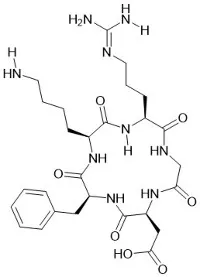
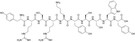
RVG29 - Cys has a specific amino acid sequence that allows it to interact with the nAChR in a high - affinity manner. The binding process is similar to that of the natural ligand, acetylcholine, but with a higher specificity for certain subtypes of nAChRs. This high - affinity binding is the first step in the internalization of RVG29 - Cys into the neuronal cells.
3. Cellular Internalization
Once RVG29 - Cys binds to the nAChR, it triggers a series of events that lead to its internalization into the cell. The binding causes a conformational change in the nAChR, which activates the receptor and initiates a signaling cascade. This signaling cascade leads to the formation of clathrin - coated pits on the cell membrane.

Clathrin - coated pits are specialized regions of the cell membrane that are involved in receptor - mediated endocytosis. The RVG29 - Cys - nAChR complex is then engulfed by these pits and pinched off from the cell membrane to form endosomes. These endosomes are small vesicles that transport the RVG29 - Cys into the cell interior.
4. Endosomal Escape
After internalization, RVG29 - Cys is trapped inside the endosomes. However, for it to exert its biological effects, it needs to escape from the endosomes and reach the cytoplasm. This is where the unique properties of RVG29 - Cys come into play.
The peptide has certain amphipathic properties, which allow it to interact with the endosomal membrane. At the acidic pH inside the endosomes, RVG29 - Cys can insert itself into the endosomal membrane and disrupt its integrity. This disruption leads to the release of RVG29 - Cys into the cytoplasm.
5. Delivery of Cargo Molecules
One of the most significant applications of RVG29 - Cys is its use as a delivery vehicle for various cargo molecules. Due to the presence of the cysteine residue, RVG29 - Cys can be easily conjugated with different types of cargo, such as drugs, nucleic acids, and nanoparticles.
Once RVG29 - Cys reaches the cytoplasm, it can release the conjugated cargo molecules. For example, if it is conjugated with a therapeutic drug, the drug can then interact with its target molecules in the cell and exert its pharmacological effects. If it is conjugated with nucleic acids, such as siRNA or DNA, the nucleic acids can be delivered to the nucleus or other cellular compartments to regulate gene expression.
6. Comparison with Other Peptides
When comparing RVG29 - Cys with other peptides in the market, such as Melanocyte Protein PMEL 17 (130 - 138) (human), Tet - 213, and Xenin 25, RVG29 - Cys has several advantages.
Firstly, its high specificity for neuronal cells makes it an ideal candidate for targeted drug delivery to the nervous system. In contrast, Melanocyte Protein PMEL 17 (130 - 138) (human) is mainly involved in the function of melanocytes and has a different target cell population.
Secondly, RVG29 - Cys has a well - characterized mechanism of action for cellular internalization and endosomal escape, which ensures efficient delivery of cargo molecules. Tet - 213 and Xenin 25 have their own unique functions and mechanisms, but they may not be as effective as RVG29 - Cys in delivering cargo to neuronal cells.
7. Applications in Research and Medicine
The unique mechanism of action of RVG29 - Cys has opened up many opportunities in both research and medicine. In research, it can be used to study the function of specific genes in neuronal cells by delivering nucleic acids. For example, siRNA conjugated with RVG29 - Cys can be used to knock down the expression of a particular gene in neurons, allowing researchers to understand the role of that gene in neuronal development and function.
In medicine, RVG29 - Cys has the potential to be used in the treatment of various neurological disorders. For example, it can be used to deliver therapeutic drugs across the blood - brain barrier (BBB) to treat brain diseases such as Alzheimer's disease, Parkinson's disease, and brain tumors. The ability of RVG29 - Cys to target neuronal cells specifically can improve the efficacy of the treatment and reduce side effects.
8. Quality Assurance as a Supplier
As a supplier of RVG29 - Cys, we understand the importance of quality. We ensure that our RVG29 - Cys is synthesized using high - quality raw materials and state - of - the - art manufacturing processes. Our peptides are rigorously tested for purity, identity, and biological activity.
We also provide comprehensive technical support to our customers. Whether you are a researcher in a laboratory or a pharmaceutical company developing a new drug, our team of experts can help you with the proper use and application of RVG29 - Cys.
9. Contact for Procurement
If you are interested in purchasing RVG29 - Cys for your research or medical applications, we invite you to contact us for procurement and further discussions. Our team is ready to assist you in finding the best solutions for your needs.
References
- Kumar, S., & Torchilin, V. P. (2012). Rabies virus glycoprotein (RVG) - derived peptides as carriers for targeted delivery to the central nervous system. Journal of Controlled Release, 161(2), 552 - 558.
- Luo, D., & Saltzman, W. M. (2000). Synthetic DNA delivery systems. Nature Biotechnology, 18(3), 33 - 37.
- Pardridge, W. M. (2005). The blood - brain barrier: bottleneck in brain drug development. NeuroRx, 2(1), 3 - 14.