




As a supplier of Exendin - 3, I've witnessed firsthand the incredible potential of this peptide in the field of medical research and therapeutic applications. Exendin - 3, a 39 - amino - acid peptide, has shown promise in the treatment of type 2 diabetes and other metabolic disorders. However, like any advanced technology or bio - product, delivering Exendin - 3 effectively comes with a set of technological challenges that need to be addressed for its full potential to be realized.
Stability and Degradation
One of the primary challenges in Exendin - 3 delivery is ensuring its stability. Peptides, including Exendin - 3, are susceptible to degradation through various mechanisms such as hydrolysis, oxidation, and proteolysis. Hydrolysis can break peptide bonds, leading to the fragmentation of the Exendin - 3 molecule. Oxidation can modify amino acid residues, altering the peptide's structure and potentially reducing its biological activity. Proteolysis, on the other hand, is the breakdown of the peptide by proteases, which are enzymes present in the body and in biological environments.
To overcome these stability issues, we need to develop appropriate formulation strategies. For example, using excipients that can protect the peptide from hydrolysis and oxidation. These excipients can act as buffers, antioxidants, or stabilizers. Lyophilization, or freeze - drying, is another common technique. By removing water from the peptide formulation, the rate of hydrolysis and other degradation reactions can be significantly reduced. However, lyophilization also has its challenges, such as the potential for denaturation during the freezing and drying processes, and the need for proper reconstitution before use.
Targeted Delivery
Another significant challenge is achieving targeted delivery of Exendin - 3. In the context of treating diabetes, the ideal scenario would be to deliver the peptide directly to the pancreatic beta - cells or other relevant target tissues. This targeted approach can enhance the therapeutic efficacy of Exendin - 3 while minimizing side effects on non - target tissues.
One approach to targeted delivery is the use of nanocarriers. Nanoparticles, liposomes, and micelles can be designed to encapsulate Exendin - 3 and deliver it specifically to the target cells. These nanocarriers can be functionalized with ligands that have a high affinity for receptors on the surface of the target cells. For example, if there are specific receptors on pancreatic beta - cells that are over - expressed in diabetic patients, ligands that bind to these receptors can be attached to the nanocarriers.
However, developing effective nanocarriers for Exendin - 3 delivery is not without difficulties. The size, shape, and surface properties of the nanocarriers need to be carefully optimized. If the nanocarriers are too large, they may be cleared by the immune system before reaching the target cells. If they are too small, they may not be able to carry an adequate amount of Exendin - 3. Additionally, the interaction between the nanocarriers and the biological environment can be complex, and there is a risk of the nanocarriers causing toxicity or immune responses.
Bioavailability
Bioavailability is a crucial factor in Exendin - 3 delivery. Bioavailability refers to the fraction of the administered dose of a drug or peptide that reaches the systemic circulation in an active form. Oral delivery of Exendin - 3, which would be the most convenient route for patients, is extremely challenging due to several factors.
Firstly, the peptide is rapidly degraded in the gastrointestinal tract by proteases and low pH. Secondly, the absorption of peptides across the intestinal epithelium is poor because of their large size and hydrophilic nature. To improve oral bioavailability, we can explore strategies such as the use of permeation enhancers. These agents can increase the permeability of the intestinal epithelium, allowing Exendin - 3 to cross more easily. However, permeation enhancers need to be carefully selected to ensure they are safe and do not cause damage to the intestinal mucosa.
Another option is to explore alternative routes of administration, such as nasal, pulmonary, or transdermal delivery. Nasal delivery can bypass the gastrointestinal tract and has the potential for rapid absorption into the systemic circulation. Pulmonary delivery can also provide a large surface area for absorption. Transdermal delivery, although challenging due to the skin's barrier function, can offer a non - invasive and convenient option for long - term delivery if appropriate delivery systems can be developed.
Compatibility with Existing Technologies
As a supplier, we also face the challenge of ensuring that our Exendin - 3 products are compatible with existing technologies and delivery systems. In many cases, researchers and clinicians may want to use Exendin - 3 in combination with other drugs or in existing drug delivery devices.
For example, if a patient is already using an insulin pump for diabetes management, it would be beneficial if Exendin - 3 could be incorporated into the same pump system. However, this requires careful consideration of the compatibility of Exendin - 3 with the materials used in the pump, as well as the potential for interactions between Exendin - 3 and insulin or other drugs that may be present in the pump.
Quality Control
Maintaining high - quality standards for Exendin - 3 is essential. Quality control in the production and delivery of Exendin - 3 involves multiple aspects. In the production process, we need to ensure consistent synthesis of the peptide with the correct amino acid sequence and purity. Any impurities or incorrect sequences can affect the biological activity and safety of the product.
During the formulation and delivery stages, quality control measures need to be in place to monitor the stability, bioavailability, and targeted delivery efficiency of Exendin - 3. For example, analytical techniques such as high - performance liquid chromatography (HPLC) can be used to measure the purity and integrity of the peptide. In - vitro and in - vivo assays can be used to evaluate the biological activity and bioavailability of the formulated Exendin - 3.
Related Peptides in the Market
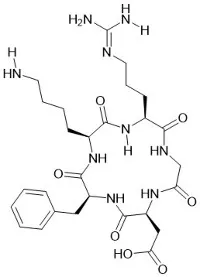
In the market, there are other peptides that are related to Exendin - 3 in terms of their research and application areas. For example, Galanin (porcine) has been studied for its role in the regulation of appetite and energy metabolism, which are also relevant aspects in diabetes research. Prepro - TRH (178 - 199) is another peptide that has potential applications in the neuroendocrine system, which can interact with the metabolic pathways affected by Exendin - 3. Fibrinogen - Binding Peptide may have implications in the context of vascular complications associated with diabetes, as diabetes can lead to changes in the blood coagulation system.
Conclusion
In conclusion, while Exendin - 3 holds great promise for the treatment of diabetes and other metabolic disorders, there are several technological challenges in its delivery. These challenges range from ensuring stability and achieving targeted delivery to improving bioavailability and maintaining quality control. As a supplier, we are committed to addressing these challenges through continuous research and development.
We believe that by working closely with researchers, clinicians, and other stakeholders in the field, we can overcome these obstacles and make Exendin - 3 a more accessible and effective therapeutic option. If you are interested in learning more about our Exendin - 3 products or have any questions regarding its delivery and application, we encourage you to contact us for further discussion and potential procurement opportunities.
References
- Drucker, D. J. (2006). The biology of incretin hormones. Cell metabolism, 3(3), 153 - 165.
- Langer, R., & Tirrell, D. A. (2004). Designing materials for biology and medicine. Nature, 428(6982), 487 - 492.
- Mitragotri, S., Burke, P. A., & Langer, R. (2014). Overcoming the challenges in administering biopharmaceuticals: formulation and delivery strategies. Nature reviews Drug discovery, 13(12), 932 - 951.