




As a supplier of catalogue peptides, I've had the privilege of witnessing the diverse and ever - evolving applications of these remarkable molecules. Catalogue peptides are pre - synthesized, ready - to - use peptides that are available in a supplier's catalog. They serve as essential tools in various scientific fields, including biochemistry, pharmacology, and immunology. In this blog, I'll explore some of the common types of catalogue peptides that we offer and their significance in research.
1. Neuropeptides
Neuropeptides are small protein - like molecules used by neurons to communicate with each other. They play crucial roles in regulating a wide range of physiological processes, such as pain perception, mood, and appetite.
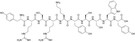
One well - known neuropeptide in our catalogue is Beta - Amyloid (1 - 42), Human. Beta - amyloid peptides are derived from the amyloid precursor protein (APP). The 1 - 42 peptide is of particular interest because it is associated with Alzheimer's disease. In Alzheimer's patients, beta - amyloid (1 - 42) tends to aggregate into plaques in the brain, which are thought to contribute to the neurodegenerative process. Researchers use this peptide to study the mechanisms of amyloid aggregation, develop diagnostic tools, and test potential therapeutic agents for Alzheimer's disease.
Another neuropeptide is Obestatin. Obestatin (human) is a peptide hormone that is encoded by the same gene as ghrelin, a well - known appetite - stimulating hormone. However, obestatin has the opposite effect; it suppresses appetite and reduces food intake. Scientists are interested in obestatin for its potential in treating obesity and related metabolic disorders. By studying this peptide, they hope to understand the complex regulatory mechanisms of appetite and develop new drugs to control body weight.
2. Cyclic Peptides
Cyclic peptides are formed when the ends of a linear peptide chain are joined together to form a ring structure. This cyclic configuration confers several advantages, such as increased stability, enhanced binding affinity, and improved resistance to proteolytic degradation.
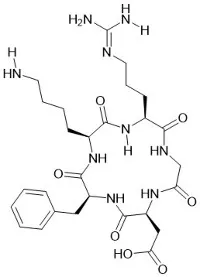
Cyclo(RGDfC) is a well - studied cyclic peptide in our catalogue. The RGD (arginine - glycine - aspartic acid) motif is a common recognition sequence for integrins, which are cell - surface receptors involved in cell adhesion, migration, and signaling. Cyclo(RGDfC) has a high affinity for integrin receptors, particularly αvβ3. This peptide is widely used in cancer research, as αvβ3 is overexpressed on the surface of tumor cells and angiogenic endothelial cells. By targeting αvβ3 with Cyclo(RGDfC), researchers can develop imaging agents for tumor detection and targeted drug delivery systems for cancer treatment.
3. Antimicrobial Peptides
Antimicrobial peptides (AMPs) are a class of small peptides that have the ability to kill or inhibit the growth of microorganisms, including bacteria, fungi, and viruses. They are an important part of the innate immune system in many organisms.
AMPs in our catalogue are used in a variety of research and biotechnological applications. For example, some AMPs can be used as alternatives to traditional antibiotics, especially in the face of increasing antibiotic resistance. They can also be incorporated into medical devices and materials to prevent microbial infections. Scientists are interested in understanding the mechanisms of action of AMPs, such as how they interact with microbial membranes and disrupt their integrity. By studying these peptides, they hope to develop new antimicrobial therapies and products.
4. Hormone Peptides
Hormone peptides are secreted by endocrine glands and play essential roles in regulating physiological processes throughout the body.
Insulin is a well - known hormone peptide. It is produced by the pancreas and is crucial for regulating blood glucose levels. In diabetic patients, the production or function of insulin is impaired, leading to high blood sugar levels. Researchers use synthetic insulin peptides in the development of insulin analogs with improved pharmacokinetic properties, such as longer - acting or more rapid - acting formulations. This helps in better management of diabetes and reduces the risk of complications.
Another hormone peptide is growth hormone - releasing hormone (GHRH). GHRH stimulates the release of growth hormone from the pituitary gland. It is used in research related to growth disorders and aging. Scientists study GHRH to understand the regulation of growth hormone secretion and to develop potential therapies for conditions such as growth hormone deficiency.
5. Peptide Vaccines
Peptide vaccines are a type of vaccine that uses short peptides to stimulate an immune response. They offer several advantages over traditional vaccines, such as increased safety, ease of production, and the ability to target specific antigens.
In our catalogue, we offer peptide vaccines for various diseases, including cancer and infectious diseases. For cancer vaccines, the peptides are usually derived from tumor - associated antigens. By presenting these peptides to the immune system, the vaccine can activate immune cells, such as T cells, to recognize and attack tumor cells. In the case of infectious diseases, peptide vaccines can be designed to target specific viral or bacterial antigens, helping the body to mount an effective immune response against the pathogen.
Significance of Catalogue Peptides in Research
Catalogue peptides are invaluable tools for researchers across different scientific disciplines. They provide a convenient and cost - effective way to access pre - synthesized peptides, which saves time and resources compared to in - house peptide synthesis. Moreover, catalogue peptides are often of high quality and purity, ensuring reliable experimental results.

In drug discovery, catalogue peptides can be used as lead compounds for the development of new drugs. By modifying the structure of these peptides, researchers can optimize their biological activity, pharmacokinetic properties, and safety profiles. In basic research, peptides are used to study protein - protein interactions, signal transduction pathways, and the function of specific proteins.
Contact for Procurement
If you are interested in our catalogue peptides or have any questions about their applications, please feel free to contact us. We are committed to providing high - quality peptides and excellent customer service. Whether you are a researcher in academia or an industry professional, we can work with you to meet your specific needs.
References
- Selkoe, D. J. (2001). Alzheimer's disease: genes, proteins, and therapy. Physiological Reviews, 81(2), 741 - 766.
- Zhang, J. V., Ren, P. X., Avsian - Kretchmer, O., Luo, C. W., & Low, M. J. (2005). Obestatin, a peptide encoded by the ghrelin gene, opposes ghrelin's effects on food intake. Science, 310(5750), 996 - 999.
- Arap, W., Pasqualini, R., & Ruoslahti, E. (1998). Cancer treatment by targeted drug delivery to tumor vasculature in a mouse model. Science, 279(5349), 377 - 380.
- Zasloff, M. (2002). Antimicrobial peptides of multicellular organisms. Nature, 415(6870), 389 - 395.
- Sette, A., & Fikes, J. D. (2003). Design of peptide - based vaccines. Expert Review of Vaccines, 2(3), 349 - 363.