




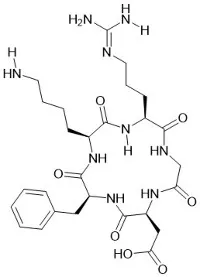
When it comes to working with catalogue peptides, one of the most crucial factors to consider is the pH range for their dissolution. As a seasoned supplier of catalogue peptides, I've witnessed firsthand the impact that the right pH can have on the solubility, stability, and overall performance of these valuable biomolecules. In this blog post, I'll delve into the intricacies of pH and its role in dissolving catalogue peptides, providing you with the knowledge you need to make informed decisions in your research or production processes.
Understanding pH and Its Significance
pH is a measure of the acidity or alkalinity of a solution, ranging from 0 to 14. A pH of 7 is considered neutral, while values below 7 indicate acidity and values above 7 indicate alkalinity. The pH of a solution can significantly affect the solubility of peptides, as it influences the ionization state of the peptide's amino acid residues. At different pH values, peptides can exist in various forms, including neutral, positively charged, or negatively charged, which can have a profound impact on their ability to dissolve in a given solvent.
Factors Affecting Peptide Solubility at Different pH Ranges
The solubility of a peptide at a particular pH is influenced by several factors, including its amino acid composition, sequence, and secondary structure. Here are some key considerations:
- Amino Acid Composition: Peptides containing a high proportion of hydrophobic amino acids, such as leucine, isoleucine, and valine, tend to be less soluble in aqueous solutions at neutral pH. These hydrophobic residues can aggregate and form insoluble complexes, making it challenging to dissolve the peptide. In contrast, peptides rich in hydrophilic amino acids, such as serine, threonine, and lysine, are generally more soluble in water.
- Ionizable Amino Acid Residues: The presence of ionizable amino acid residues, such as aspartic acid, glutamic acid, lysine, and arginine, can significantly affect peptide solubility at different pH values. At low pH, these residues are protonated and carry a positive charge, which can enhance solubility in acidic solutions. Conversely, at high pH, they are deprotonated and carry a negative charge, which can improve solubility in alkaline solutions.
- Secondary Structure: The secondary structure of a peptide, such as alpha-helices or beta-sheets, can also influence its solubility. Peptides with well-defined secondary structures may be more prone to aggregation and less soluble than those with a more flexible structure.
Recommended pH Ranges for Dissolving Common Catalogue Peptides
Based on our experience as a catalogue peptide supplier, here are some general guidelines for the pH ranges suitable for dissolving common peptides:
- Acidic pH (pH 2 - 4): Peptides that are rich in basic amino acids, such as lysine and arginine, or have a high isoelectric point (pI) are often more soluble in acidic solutions. For example, Enterostatin (human, Mouse, Rat) is a peptide that may benefit from dissolution in an acidic environment. Acidic solutions can protonate the basic residues, increasing their solubility in water.
- Neutral pH (pH 6 - 8): Many peptides are soluble at neutral pH, especially those with a balanced amino acid composition and a moderate pI. At this pH range, the peptide is in a predominantly neutral state, which can facilitate its dissolution in aqueous solvents. Fibrinopeptide A (human) is an example of a peptide that is typically soluble at neutral pH.
- Alkaline pH (pH 8 - 10): Peptides containing acidic amino acids, such as aspartic acid and glutamic acid, or with a low pI may be more soluble in alkaline solutions. Alkaline conditions can deprotonate the acidic residues, making the peptide more negatively charged and increasing its solubility in water. Beta-Amyloid (1-40), Human is a peptide that may require an alkaline pH for optimal solubility.
It's important to note that these are general guidelines, and the optimal pH range for dissolving a specific peptide may vary depending on its unique properties. In some cases, it may be necessary to perform solubility tests at different pH values to determine the most suitable conditions for your peptide.
Tips for Dissolving Catalogue Peptides
Here are some practical tips to help you dissolve your catalogue peptides effectively:
- Start with a Small Volume: Begin by adding a small volume of the appropriate solvent to the peptide vial and gently swirl or vortex the solution to wet the peptide. This can help prevent the formation of clumps and improve solubility.
- Use Gentle Mixing Techniques: Avoid vigorous shaking or stirring, as this can cause the peptide to denature or aggregate. Instead, use gentle mixing techniques, such as gentle swirling or inversion, to dissolve the peptide.
- Heat the Solution (if necessary): In some cases, heating the solution slightly (up to 37°C) can enhance peptide solubility. However, be cautious not to overheat the solution, as this can also cause peptide degradation.
- Adjust the pH Gradually: If you need to adjust the pH of the solution, do so gradually to avoid sudden changes that can cause precipitation. Use a pH meter or pH indicator paper to monitor the pH during the adjustment process.
- Filter the Solution: After dissolving the peptide, filter the solution through a 0.22 µm or 0.45 µm filter to remove any insoluble particles or aggregates. This can help ensure the purity and clarity of the peptide solution.
Conclusion
The pH range for dissolving catalogue peptides is a critical factor that can significantly impact their solubility, stability, and performance. By understanding the factors that affect peptide solubility at different pH values and following the recommended guidelines and tips, you can optimize the dissolution process and obtain high-quality peptide solutions for your research or production needs.
As a trusted supplier of catalogue peptides, we are committed to providing you with the highest quality products and technical support. If you have any questions or need further assistance with peptide dissolution or any other aspect of peptide research, please don't hesitate to contact us. We look forward to working with you and helping you achieve your scientific goals.
References
- Creighton, T. E. (1993). Proteins: Structures and Molecular Properties (2nd ed.). W. H. Freeman and Company.
- Gellman, S. H. (1998). Foldamers: A Manifesto. Accounts of Chemical Research, 31(2), 173-180.
- Nelson, D. L., & Cox, M. M. (2017). Lehninger Principles of Biochemistry (7th ed.). W. H. Freeman and Company.