




Hey there! As a supplier of RVG29, I often get asked about the purity standard of this peptide. So, I thought I'd take some time to break it down for you all.
First off, let's talk a bit about what RVG29 is. RVG29 is a peptide that has gained a lot of attention in the scientific community for its potential applications in drug delivery and targeting the central nervous system. It's derived from the rabies virus glycoprotein (RVG), and the 29 refers to a specific sequence within it. This peptide has shown promise in crossing the blood - brain barrier, which is a major challenge in treating neurological disorders.

Now, onto the purity standard. The purity of a peptide like RVG29 is super important. It directly affects its performance, safety, and reliability in various research and potential therapeutic applications. When we talk about purity, we're essentially referring to the percentage of the desired peptide in the final product, without any impurities like other peptides, salts, or solvents.
In the world of peptide synthesis, there are different levels of purity that are commonly used as standards. For research - grade RVG29, a purity level of around 90% - 95% is often considered acceptable. At this level, the peptide can be used for a wide range of in - vitro and in - vivo studies. It's pure enough to show the expected biological activity, but it might still contain some minor impurities. These impurities usually don't have a significant impact on most basic research experiments.
However, for more advanced applications, such as pre - clinical or clinical trials, a higher purity standard is required. In these cases, we're looking at a purity of 98% or higher. A purer peptide reduces the risk of side effects caused by impurities and ensures more consistent results. When you're dealing with human subjects or trying to get accurate data for regulatory approval, every little bit of impurity can matter.
So, how do we achieve these purity standards? Well, it all starts with the peptide synthesis process. We use solid - phase peptide synthesis (SPPS), which is a well - established method for making peptides. During SPPS, amino acids are added one by one to a growing peptide chain. But this process isn't perfect, and sometimes there can be incomplete reactions or side reactions that lead to the formation of impurities.
To remove these impurities, we use a combination of purification techniques. One of the most common methods is high - performance liquid chromatography (HPLC). HPLC separates the different components in a peptide mixture based on their chemical properties. We can adjust the HPLC conditions to specifically target and isolate the RVG29 peptide with the desired purity. After HPLC purification, we also use mass spectrometry to confirm the identity and purity of the final product.
As a supplier, we take quality control very seriously. We have strict in - house testing procedures to ensure that every batch of RVG29 meets the specified purity standard. We test multiple samples from each batch to make sure that the purity is consistent throughout. And we provide detailed certificates of analysis (COA) for every product we sell. The COA includes information about the peptide's purity, identity, and other important characteristics.
Now, let's compare RVG29 with some other peptides in our catalogue. For example, SCPA Peptide and Systemin also have their own purity standards. These peptides are used in different research areas, and their purity requirements can vary depending on the specific application. Just like RVG29, the purity of these peptides is crucial for getting reliable results in research.
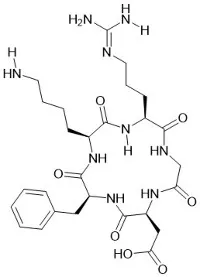
Another peptide in our range is DOTA - E - [c(RGDfK)2]. This peptide is used in targeted imaging and therapy, and it often requires a high level of purity, similar to what we expect for advanced applications of RVG29.
If you're in the market for RVG29 or any of our other peptides, it's important to understand the purity standard and how it relates to your specific needs. Whether you're a researcher working on a basic science project or a pharmaceutical company gearing up for clinical trials, we can provide you with the right product at the right purity level.
We're always here to answer any questions you might have about our peptides, including RVG29. If you're interested in learning more or want to discuss a potential purchase, don't hesitate to reach out. We can help you determine the best purity standard for your application and provide you with a quote.
In conclusion, the purity standard of RVG29 depends on its intended use. For general research, a 90% - 95% purity is often sufficient, while more advanced applications require 98% or higher. As a supplier, we're committed to providing high - quality peptides that meet these standards. So, if you're looking for a reliable source of RVG29 or other peptides, give us a shout, and we'll be happy to work with you.
References
- Chan, W. C., & White, P. D. (2000). Fmoc Solid Phase Peptide Synthesis: A Practical Approach. Oxford University Press.
- Fields, G. B. (Ed.). (1997). Solid - Phase Peptide Synthesis. Academic Press.