






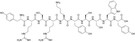
Inflammation is a complex biological response of the body's immune system to harmful stimuli, such as pathogens, damaged cells, or irritants. It is a crucial process for maintaining the body's health, but when dysregulated, it can lead to various chronic diseases, including arthritis, cardiovascular diseases, and even cancer. In recent years, catalogue peptides have emerged as powerful tools in inflammation research, offering unique insights into the underlying mechanisms of inflammation and potential therapeutic strategies. As a leading supplier of catalogue peptides, we are excited to explore the role of these peptides in inflammation research and highlight their significance in advancing our understanding of this intricate biological process.
Understanding Catalogue Peptides
Catalogue peptides are pre - synthesized, well - characterized peptides that are readily available for researchers. They are typically short chains of amino acids, ranging from a few to several dozen residues in length. These peptides can mimic specific regions of proteins, such as binding sites, active sites, or post - translational modification sites. This property makes them invaluable in studying protein - protein interactions, enzyme activities, and signaling pathways involved in inflammation.
One of the key advantages of using catalogue peptides is their high purity and consistency. Our company ensures that each peptide in our catalogue meets strict quality control standards, providing researchers with reliable and reproducible results. Additionally, the availability of a wide range of peptides allows researchers to select the most appropriate ones for their specific research needs.
Role of Catalogue Peptides in Inflammation Signaling Pathways
Inflammation is regulated by a complex network of signaling pathways, including the nuclear factor - kappa B (NF - κB), mitogen - activated protein kinase (MAPK), and toll - like receptor (TLR) pathways. Catalogue peptides can be used to study the components of these pathways and their interactions.
For example, peptides can be designed to mimic the binding sites of ligands or receptors in the TLR pathway. By using these peptides, researchers can investigate how TLRs recognize pathogen - associated molecular patterns (PAMPs) and initiate an inflammatory response. This knowledge can help in the development of novel therapies that target TLR signaling to modulate inflammation.
In the NF - κB pathway, which is a central regulator of inflammation, catalogue peptides can be used to study the activation and translocation of NF - κB subunits. Peptides that interfere with the interaction between NF - κB and its inhibitory protein, IκB, can be synthesized. These peptides can be used to block the activation of NF - κB, thereby reducing the production of pro - inflammatory cytokines. This approach has potential applications in the treatment of inflammatory diseases where NF - κB is over - activated.


Catalogue Peptides as Biomarkers for Inflammation
Biomarkers are measurable indicators of biological processes, and they play a crucial role in the diagnosis, prognosis, and monitoring of inflammatory diseases. Catalogue peptides can serve as potential biomarkers for inflammation.
Some peptides are derived from proteins that are specifically up - regulated or down - regulated during inflammation. By measuring the levels of these peptides in biological samples, such as blood or tissue, researchers can assess the severity of inflammation and the effectiveness of treatment. For instance, Prepro - TRH (178 - 199) is a peptide that may be associated with certain inflammatory conditions. Studying its expression levels can provide insights into the pathophysiology of these diseases.
Therapeutic Potential of Catalogue Peptides in Inflammation
Catalogue peptides also hold great promise as potential therapeutic agents for inflammation. Peptides can be designed to have anti - inflammatory properties by inhibiting the activity of pro - inflammatory enzymes or cytokines.
One example is Mazdutide (Lys20(N₃ - CH₂CO - )), which may have the potential to modulate inflammation through its specific interaction with target proteins. Peptides can also be engineered to target specific cell types involved in inflammation, such as macrophages or neutrophils, to reduce their activation and migration to the site of inflammation.
Moreover, peptides can be used as drug delivery vehicles. They can be conjugated with anti - inflammatory drugs or other therapeutic agents to improve their targeting and efficacy. This approach can enhance the delivery of drugs to the inflamed tissues while minimizing side effects on other parts of the body.
Catalogue Peptides in Studying Protein - Protein Interactions in Inflammation
Protein - protein interactions are essential for the proper functioning of the immune system and the regulation of inflammation. Catalogue peptides can be used to disrupt or mimic these interactions.
For example, Pp60(v - SRC) Autophosphorylation Site, Protein Tyrosine Kinase Substrate can be used to study the activity of protein tyrosine kinases, which are involved in many inflammatory signaling pathways. By using this peptide, researchers can investigate how these kinases are activated and how they phosphorylate their substrates to transmit signals.
Conclusion and Call to Action
In conclusion, catalogue peptides play a vital role in inflammation research. They are valuable tools for studying signaling pathways, identifying biomarkers, developing therapeutic agents, and understanding protein - protein interactions in the context of inflammation. As a reliable supplier of high - quality catalogue peptides, we are committed to supporting researchers in their efforts to advance our understanding of inflammation and develop effective treatments for inflammatory diseases.
If you are interested in using catalogue peptides for your inflammation research, we invite you to explore our extensive catalogue. Our team of experts is also available to provide you with technical support and guidance. Contact us to discuss your specific research needs and start your journey towards new discoveries in inflammation research.
References
- Medzhitov, R. (2008). Origin and physiological roles of inflammation. Nature, 454(7203), 428 - 435.
- Lawrence, T., Gilroy, D. W., Colville - Nash, P. R., & Willoughby, D. A. (2002). Resolution of inflammation: a new therapeutic frontier. Nature Reviews Drug Discovery, 1(6), 798 - 809.
- O'Neill, L. A., & Kaltschmidt, C. (2003). NF - κB: linking inflammation and immunity to cancer development and progression. Nature Reviews Cancer, 3(10), 803 - 811.