





The enteric nervous system (ENS), often referred to as the "second brain," is a complex network of neurons that governs the function of the gastrointestinal tract. It can operate independently of the central nervous system (CNS) and plays a crucial role in various physiological processes such as digestion, nutrient absorption, and gut motility. In recent years, Xenin 25 has emerged as a peptide of significant interest in understanding the ENS's intricate workings. As a Xenin 25 supplier, I am excited to delve into the role of Xenin 25 in the enteric nervous system.
Discovery and Structure of Xenin 25
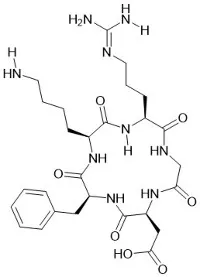
Xenin 25 is a 25 - amino - acid peptide that was first discovered in the small intestine. Its structure is unique, which endows it with specific binding properties and biological activities. The peptide sequence of Xenin 25 is highly conserved across different species, suggesting an important evolutionary role. This conservation implies that Xenin 25 has fundamental functions that are essential for the proper functioning of the digestive system.
Interaction with Enteric Neurons
One of the primary ways Xenin 25 exerts its effects in the ENS is through its interaction with enteric neurons. Enteric neurons are the building blocks of the ENS, and they are responsible for transmitting signals that regulate gut motility, secretion, and blood flow. Xenin 25 has been shown to bind to specific receptors on enteric neurons. These receptors are part of the G - protein - coupled receptor (GPCR) family, which are well - known for their ability to transduce extracellular signals into intracellular responses.
When Xenin 25 binds to its receptors on enteric neurons, it triggers a cascade of intracellular events. For example, it can activate second messenger systems such as cyclic adenosine monophosphate (cAMP) or inositol trisphosphate (IP3). These second messengers then modulate the activity of ion channels, leading to changes in the membrane potential of the enteric neurons. This, in turn, affects the firing rate of the neurons and the transmission of signals within the ENS.
Regulation of Gut Motility
Gut motility is a complex process that involves the coordinated contraction and relaxation of the smooth muscles in the gastrointestinal tract. Xenin 25 has been found to play a significant role in regulating gut motility. Studies have shown that Xenin 25 can enhance the contractility of the smooth muscles in the small intestine and colon. It does this by increasing the excitability of enteric neurons that innervate the smooth muscles.
When the excitability of these neurons is increased, they release neurotransmitters such as acetylcholine, which binds to receptors on the smooth muscle cells and causes them to contract. In addition, Xenin 25 may also modulate the release of other neurotransmitters such as nitric oxide (NO), which is a potent relaxant of smooth muscles. By fine - tuning the balance between excitatory and inhibitory neurotransmitters, Xenin 25 helps to ensure proper gut motility.
Influence on Gut Secretion
The ENS also regulates the secretion of various substances in the gastrointestinal tract, including digestive enzymes, mucus, and hormones. Xenin 25 has been shown to have an impact on gut secretion. It can stimulate the secretion of pancreatic enzymes, which are essential for the digestion of carbohydrates, proteins, and fats. This is achieved by acting on the enteric neurons that innervate the pancreas and triggering the release of neurotransmitters that stimulate pancreatic acinar cells.
Moreover, Xenin 25 may also influence the secretion of mucus in the gut. Mucus plays a crucial role in protecting the gut lining from mechanical damage and pathogens. By promoting mucus secretion, Xenin 25 helps to maintain the integrity of the gut epithelium.
Role in the Enteric Immune System
The ENS is closely associated with the gut immune system. The gut is home to a large number of immune cells, and the ENS can communicate with these cells to regulate immune responses. Xenin 25 has been suggested to have immunomodulatory effects in the gut. It may interact with immune cells such as macrophages and lymphocytes that are present in the gut mucosa.
For example, Xenin 25 can modulate the production of cytokines by immune cells. Cytokines are signaling molecules that play a key role in the immune response. By regulating cytokine production, Xenin 25 may help to maintain a balanced immune response in the gut, preventing excessive inflammation while still providing adequate protection against pathogens.
Comparison with Other Peptides in the ENS
In the complex environment of the ENS, Xenin 25 is not the only peptide that plays a role. There are many other peptides, such as Dynorphin A (1 - 10) Amide, Proadrenomedullin (1 - 20) (human), and Urechistachykinin II, that also contribute to the regulation of gut function.
Dynorphin A (1 - 10) Amide is a neuropeptide that has been shown to have analgesic and anti - inflammatory effects in the gut. It may interact with enteric neurons to modulate pain perception and immune responses. Proadrenomedullin (1 - 20) (human) is involved in the regulation of blood flow and cell growth in the gut. It can stimulate the proliferation of endothelial cells, which are important for maintaining the integrity of blood vessels in the gastrointestinal tract. Urechistachykinin II is a tachykinin - related peptide that can affect gut motility and secretion. It binds to specific receptors on enteric neurons and smooth muscle cells, leading to changes in their activity.
Compared to these peptides, Xenin 25 has its own unique functions and mechanisms of action. While some peptides may have overlapping effects, Xenin 25's specific role in regulating gut motility, secretion, and immune responses makes it a valuable target for research and potential therapeutic applications.
Potential Therapeutic Applications
The understanding of the role of Xenin 25 in the ENS has opened up new possibilities for therapeutic applications. For patients with gastrointestinal disorders such as irritable bowel syndrome (IBS), which is characterized by abnormal gut motility and pain, Xenin 25 may be a potential treatment option. By modulating gut motility and reducing pain perception, Xenin 25 could help to alleviate the symptoms of IBS.
In addition, Xenin 25 may also have applications in the treatment of inflammatory bowel diseases (IBD), such as Crohn's disease and ulcerative colitis. Its immunomodulatory effects could help to reduce inflammation in the gut and promote tissue repair.
Conclusion
In conclusion, Xenin 25 plays a multifaceted role in the enteric nervous system. It interacts with enteric neurons, regulates gut motility and secretion, and has immunomodulatory effects. Its unique properties make it a peptide of great interest in the field of gastroenterology. As a Xenin 25 supplier, we are committed to providing high - quality Xenin 25 for research purposes. If you are interested in purchasing Xenin 25 for your research or potential therapeutic development, please feel free to contact us for further discussions and procurement negotiations.
References
- Furness JB. The enteric nervous system and neurogastroenterology. Nat Rev Gastroenterol Hepatol. 2012;9(5):286 - 294.
- Sternini C, Anselmi L, Rozengurt E. Enteric nervous system: sensory transduction, neural circuits, and gastrointestinal motility. Gastroenterology. 2008;134(5):1551 - 1569.
- Schmidt WE, Göke B. Xenin: a new gut peptide with multiple functions. Peptides. 2000;21(9):1431 - 1437.