




Hey there! As a Tuftsin supplier, I've been getting a lot of questions about what Tuftsin actually does, especially when it comes to wound healing. So, I thought I'd take a deep dive into this topic and share some cool insights with you all.
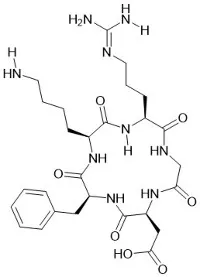
First off, let's talk a bit about what Tuftsin is. Tuftsin is a small peptide, made up of just four amino acids: threonine - lysine - proline - arginine. It was first discovered in the 1970s, and since then, researchers have been uncovering its various biological functions. One of the most fascinating areas of study is its role in wound healing.
How Wound Healing Works
Before we get into how Tuftsin fits into the picture, let's quickly go over the basic process of wound healing. When you get a cut or an injury, your body kicks into action in a multi - step process.
The first phase is the hemostasis phase. This is when your blood vessels constrict to reduce blood loss, and platelets start to clump together to form a plug at the site of the wound. Fibrin, a protein, also forms a meshwork that helps stabilize the platelet plug. You can check out Fibrinopeptide B (human) for more info on related components.
Next comes the inflammatory phase. Immune cells, like neutrophils and macrophages, rush to the wound site. They clean up any debris, such as dead cells and bacteria, and release cytokines and growth factors that initiate the next stages of healing.
The proliferative phase is when new tissue starts to form. Fibroblasts produce collagen, which provides strength and structure to the new tissue. Blood vessels also start to grow into the wound area to supply oxygen and nutrients.
Finally, the remodeling phase occurs. The newly formed tissue matures and reorganizes, and the wound gradually closes and becomes stronger.
Tuftsin's Role in the Inflammatory Phase
Tuftsin plays a crucial role in the inflammatory phase of wound healing. It acts as an immunomodulator, which means it helps regulate the immune response. One of its main functions is to activate macrophages. Macrophages are like the "clean - up crew" of the immune system. They engulf and digest foreign particles, dead cells, and bacteria at the wound site.
Tuftsin binds to specific receptors on the surface of macrophages, triggering a series of biochemical reactions inside the cell. This activation makes the macrophages more efficient at phagocytosis, the process of engulfing and destroying pathogens. It also enhances the production of cytokines, which are signaling molecules that help coordinate the immune response. For example, cytokines can attract more immune cells to the wound site and stimulate the production of growth factors.
Moreover, Tuftsin can also enhance the activity of neutrophils. Neutrophils are the first immune cells to arrive at the wound site. They are very good at killing bacteria through a process called oxidative burst. Tuftsin can increase the oxidative burst activity of neutrophils, making them more effective at eliminating pathogens.
Tuftsin and the Proliferative Phase
In the proliferative phase, Tuftsin has a positive impact on cell proliferation and migration. Fibroblasts are key cells in this phase, as they are responsible for producing collagen and other extracellular matrix components. Tuftsin can stimulate the proliferation of fibroblasts, which means more collagen can be produced. This helps in the formation of new tissue and the closure of the wound.

It also promotes the migration of endothelial cells, which are the cells that line the blood vessels. Endothelial cell migration is essential for angiogenesis, the formation of new blood vessels. By facilitating angiogenesis, Tuftsin ensures that the new tissue in the wound area gets an adequate supply of oxygen and nutrients, which is crucial for its survival and growth.
Tuftsin and the Remodeling Phase
During the remodeling phase, Tuftsin continues to play a role in the maturation and reorganization of the newly formed tissue. It helps in the regulation of collagen synthesis and degradation. Collagen turnover is important for the proper alignment and strength of the tissue. Tuftsin can influence the activity of enzymes involved in collagen metabolism, such as matrix metalloproteinases (MMPs) and tissue inhibitors of metalloproteinases (TIMPs).
By maintaining a proper balance between collagen synthesis and degradation, Tuftsin helps in the formation of a strong and functional scar tissue. This is important for the long - term integrity of the healed wound.
Why Choose Our Tuftsin?
As a Tuftsin supplier, we take pride in offering high - quality Tuftsin. Our product is carefully synthesized and purified to ensure its biological activity. We understand the importance of Tuftsin in wound healing and other biological processes, and we are committed to providing researchers and medical professionals with a reliable source of this valuable peptide.
Whether you're conducting research on wound healing mechanisms or developing new therapies for wound treatment, our Tuftsin can be a great addition to your toolkit. We also offer other related peptides, such as Matrix Protein M1 (58 - 66) (Influenza A Virus) and Substance P (7 - 11), which can be useful in various biological studies.
If you're interested in learning more about our Tuftsin or other products, or if you have any questions about their applications, don't hesitate to reach out. We're here to help you with your research and development needs. Contact us to start a discussion about how our products can fit into your projects.
References
- Najjar, V. A., & Nishioka, K. (1970). Tuftsin, a splenic peptide that stimulates phagocytic cells. Proceedings of the National Academy of Sciences, 67(4), 1740 - 1746.
- Barbul, A., & Efron, D. T. (2003). Nutrition and wound healing. Surgical Clinics of North America, 83(4), 811 - 830.
- Singer, A. J., & Clark, R. A. F. (1999). Cutaneous wound healing. The New England Journal of Medicine, 341(10), 738 - 746.