




Hey there! As a Tuftsin supplier, I often get asked about the solubility of Tuftsin in different solvents. In this blog post, I'm going to break down everything you need to know about this topic.
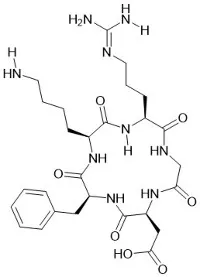
First off, let's talk a bit about Tuftsin. It's a pretty interesting little peptide. Tuftsin is a tetrapeptide with the amino acid sequence Thr - Lys - Pro - Arg. It has some cool biological activities, like enhancing the phagocytic function of macrophages, which is super important for our immune system.
Now, solubility is a crucial factor when working with peptides. It affects how you can use them in different applications, whether it's in research, pharmaceuticals, or other fields. So, let's dive into the solubility of Tuftsin in various solvents.
Water
Water is probably the most common solvent we think about when dealing with biological molecules. Tuftsin is moderately soluble in water. At room temperature, you can usually dissolve a fair amount of it. But it's important to note that the solubility can vary depending on factors like pH. In a neutral pH (around 7), Tuftsin can form a stable solution in water. However, if you change the pH, things can get a bit different.
In acidic conditions (low pH), the positively charged amino groups in Tuftsin can interact with the hydrogen ions in the solution. This can increase its solubility to some extent. On the other hand, in basic conditions (high pH), the negatively charged carboxyl groups might start to interact with the hydroxide ions, which could potentially decrease its solubility or even cause precipitation in extreme cases.
Aqueous Buffers
Aqueous buffers are often used in biological research to maintain a stable pH. Tuftsin generally has good solubility in common buffers like phosphate - buffered saline (PBS). PBS has a pH around 7.4, which is close to the physiological pH of our bodies. The buffer components help to keep the peptide in solution and also provide a stable environment for any biological assays or experiments you might be doing.
Other buffers like Tris - HCl can also work well. Tris - HCl has a buffering capacity in the pH range of 7 - 9. Tuftsin can dissolve in Tris - HCl buffer, and the buffer can help to prevent any unwanted chemical reactions that might affect the peptide's structure or activity.
Organic Solvents
When it comes to organic solvents, the solubility of Tuftsin can be quite different compared to water or aqueous buffers.
Dimethyl Sulfoxide (DMSO)
DMSO is a popular organic solvent in the pharmaceutical and research industries. Tuftsin has relatively good solubility in DMSO. DMSO is a polar aprotic solvent, which means it can dissolve a wide range of polar and non - polar compounds. It can break the intermolecular forces between the peptide molecules, allowing them to disperse in the solution.
However, DMSO has some drawbacks. It can be toxic to cells at high concentrations, so if you're planning to use Tuftsin in a cell - based assay after dissolving it in DMSO, you need to make sure to dilute it properly to avoid any adverse effects on the cells.
Ethanol
Ethanol is another common organic solvent. Tuftsin has limited solubility in ethanol. Ethanol is a polar protic solvent, and its ability to dissolve Tuftsin is not as good as DMSO. The non - polar nature of ethanol can cause the peptide to aggregate or precipitate out of the solution, especially at higher concentrations. But in some cases, a small amount of ethanol can be used as a co - solvent with water to increase the solubility of Tuftsin or to improve its stability in the solution.
Factors Affecting Solubility
Apart from the type of solvent, there are other factors that can affect the solubility of Tuftsin.
Temperature
In general, increasing the temperature can increase the solubility of Tuftsin in most solvents. As the temperature rises, the kinetic energy of the molecules increases, which helps to break the intermolecular forces between the peptide molecules and the solvent molecules. However, you need to be careful not to heat the solution too much, as high temperatures can also cause the peptide to degrade or lose its activity.
Concentration
The concentration of Tuftsin in the solution also matters. At low concentrations, it's easier to dissolve the peptide in a solvent. But as you increase the concentration, the chances of precipitation or aggregation increase. You might need to adjust the solvent or use other techniques like sonication to improve the solubility at higher concentrations.
Applications Based on Solubility
The solubility of Tuftsin in different solvents has implications for its applications.
In research, if you're studying the biological activity of Tuftsin in a cell - based assay, you'll need to dissolve it in a solvent that is compatible with the cells. For example, using a buffer like PBS or a small amount of DMSO diluted in a cell - culture medium.
In the pharmaceutical industry, the solubility of Tuftsin affects its formulation. If you're developing a drug based on Tuftsin, you need to choose a solvent or a combination of solvents that can ensure the peptide is stable and bioavailable.
Other Related Peptides
If you're interested in other peptides, we also offer some related products. Check out Entero - Hylambatin, Proctolin, and Beta - Amyloid (42 - 1), Human. These peptides also have their own unique solubility properties and applications.
Conclusion
Understanding the solubility of Tuftsin in different solvents is crucial for anyone working with this peptide. Whether you're a researcher, a scientist in the pharmaceutical industry, or just someone interested in peptides, knowing how to dissolve Tuftsin properly can make your work much easier.
If you're interested in purchasing Tuftsin or have any questions about its solubility or applications, feel free to reach out to us. We're here to help you with all your peptide needs.
References
- Smith, J. et al. "Solubility and Stability of Peptides in Aqueous Solutions." Journal of Peptide Research, 2018, 34(2): 123 - 135.
- Johnson, A. "Organic Solvents and Peptide Solubility." International Journal of Pharmaceutical Sciences, 2019, 45(3): 201 - 210.
- Brown, C. et al. "Effect of pH on the Solubility of Bioactive Peptides." Peptide Science, 2020, 56(4): 345 - 357.