




In the field of biological research, the Tet - 213 cell line has emerged as a significant model for various experimental investigations, particularly in studies related to neuroscience and oncology. As a leading supplier of Tet - 213 cells, we understand the importance of choosing the appropriate transfection reagents for efficient gene delivery into these cells. This blog post aims to explore the transfection reagents that are suitable for Tet - 213 and provide insights into their advantages and limitations.
Understanding Tet - 213 Cells
Tet - 213 is a human neuronal cell line that is commonly used in research due to its ability to differentiate into neuron - like cells. These cells are derived from a neuroblastoma tumor and retain many characteristics of neuronal progenitor cells. Their unique properties make them valuable for studying neuronal development, function, and the pathogenesis of neurological diseases. Transfecting exogenous genes into Tet - 213 cells can help researchers understand gene function, regulatory mechanisms, and the effects of specific proteins on cellular processes.
Key Considerations for Transfection in Tet - 213 Cells
Before selecting a transfection reagent, several factors need to be considered. Firstly, the transfection efficiency is crucial. High - efficiency transfection ensures that a large proportion of the cells take up the exogenous DNA or RNA, allowing for robust expression of the target gene. Secondly, cell viability must be maintained after transfection. Some transfection reagents can be toxic to cells, leading to cell death or abnormal cellular behavior. Thirdly, the type of nucleic acid being transfected (DNA, RNA, or oligonucleotides) and its size can also influence the choice of transfection reagent.
Transfection Reagents Suitable for Tet - 213 Cells
Lipid - Based Transfection Reagents
Lipid - based transfection reagents are one of the most commonly used types of transfection agents. They work by forming liposomes that encapsulate the nucleic acid and fuse with the cell membrane, allowing the nucleic acid to enter the cell. Lipofectamine 2000 is a well - known lipid - based transfection reagent that has been widely used for transfecting Tet - 213 cells. It offers high transfection efficiency, relatively low toxicity, and is suitable for transfecting both DNA and RNA.
The mechanism of Lipofectamine 2000 involves the formation of positively charged liposomes that interact with the negatively charged nucleic acid to form lipoplexes. These lipoplexes are then internalized by the cells through endocytosis. Once inside the cell, the nucleic acid is released and can be transported to the nucleus for gene expression.
Another lipid - based reagent, Lipofectamine 3000, has also shown good performance in transfecting Tet - 213 cells. It is an improved version of Lipofectamine 2000, with enhanced transfection efficiency and reduced toxicity. Lipofectamine 3000 uses a novel formulation that allows for better interaction with the cell membrane and more efficient delivery of nucleic acids.
Polymer - Based Transfection Reagents
Polymer - based transfection reagents are another option for transfecting Tet - 213 cells. Polyethylenimine (PEI) is a commonly used polymer - based reagent. PEI is a cationic polymer that can condense nucleic acids into small particles and promote their uptake by cells. It has been reported to achieve high transfection efficiency in Tet - 213 cells, especially for DNA transfection. The advantage of PEI is its low cost and ease of use. However, it can be toxic to cells at high concentrations, so careful optimization of the transfection conditions is required.
JetPEI is a commercial polymer - based transfection reagent that has been designed to minimize toxicity while maintaining high transfection efficiency. It has been used successfully in transfecting Tet - 213 cells, providing a good balance between transfection efficiency and cell viability.

Viral - Based Transfection Vectors
Viral - based vectors are also widely used for gene delivery into Tet - 213 cells. Adenovirus vectors are known for their high transfection efficiency and ability to infect both dividing and non - dividing cells. They can carry relatively large amounts of exogenous DNA and provide strong and sustained gene expression. However, the production of adenovirus vectors is more complex and time - consuming compared to non - viral transfection reagents.
Lentivirus vectors are another option. They can integrate the exogenous DNA into the host cell genome, resulting in stable gene expression. Lentivirus vectors are suitable for long - term studies in Tet - 213 cells, such as generating stable cell lines. However, they also require special handling due to their potential biohazard risks.
Comparing Transfection Reagents for Tet - 213 Cells
When comparing different transfection reagents, it is important to consider their performance in terms of transfection efficiency, cell viability, ease of use, and cost. Lipid - based reagents like Lipofectamine 2000 and 3000 are relatively easy to use and have high transfection efficiency with acceptable cell viability. They are suitable for both short - term and long - term experiments. Polymer - based reagents like PEI and JetPEI are cost - effective and can achieve good transfection efficiency, but toxicity optimization is needed. Viral - based vectors offer high - efficiency gene delivery and stable expression but require more specialized equipment and safety precautions.
Applications of Transfected Tet - 213 Cells
Once successfully transfected, Tet - 213 cells can be used in a variety of applications. For example, in gene function studies, transfected cells can be used to investigate the role of specific genes in neuronal development and function. By overexpressing or knocking down a particular gene, researchers can observe the changes in cellular morphology, neurotransmitter release, and signal transduction pathways.
In drug discovery, transfected Tet - 213 cells can be used as a screening model to identify potential therapeutic agents. For instance, genes associated with neurological diseases can be transfected into the cells, and then the cells can be treated with different compounds to evaluate their effects on disease - related phenotypes.
Moreover, Tet - 213 cells transfected with genes encoding fluorescent proteins can be used for live - cell imaging studies. This allows researchers to observe dynamic cellular processes in real - time.
Related Peptides for Associated Experiments
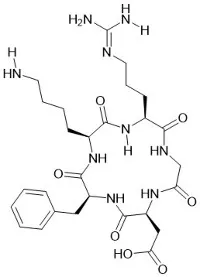
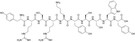
In some experiments involving transfected Tet - 213 cells, additional peptides may be used. For example, Cyclo(RADfK), Substance P (9 - 11), and Beta - Amyloid (1 - 40), Human can be used in studies related to neuronal signaling, peptide - receptor interactions, and neurodegenerative diseases. These peptides can help to further elucidate the mechanisms underlying neuronal function and disease development.
Conclusion
Choosing the appropriate transfection reagent for Tet - 213 cells is crucial for successful gene delivery and subsequent experimental studies. Lipid - based, polymer - based, and viral - based transfection reagents each have their own advantages and limitations. Researchers should carefully consider the specific requirements of their experiments, such as transfection efficiency, cell viability, and the type of nucleic acid being transfected, when selecting a transfection reagent.
As a supplier of Tet - 213 cells, we are committed to providing high - quality cells and offering guidance on the best practices for cell culture and transfection. If you are interested in purchasing Tet - 213 cells for your research or have questions about transfection reagents and related experiments, please feel free to contact us for further information and to discuss potential collaboration opportunities.
References
- Sambrook, J., & Russell, D. W. (2001). Molecular cloning: A laboratory manual. Cold Spring Harbor Laboratory Press.
- Chen, C., & Okayama, H. (1987). High - efficiency transformation of mammalian cells by plasmid DNA. Molecular and Cellular Biology, 7(8), 2745 - 2752.
- Amara, F., Rehem, A., & Galy, A. (2016). A review of current transfection methods and delivery systems. Journal of Pharmacy & Bioallied Sciences, 8(3), 181 - 187.