




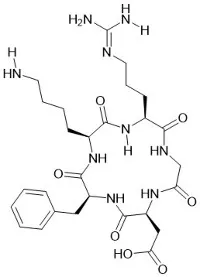
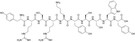
Xenin 25 is a fascinating peptide that has garnered significant attention in the scientific community due to its potential physiological roles. As a reputable Xenin 25 supplier, I often receive inquiries about where this peptide is produced in the body. In this blog post, I will delve into the scientific details of Xenin 25 production, exploring the anatomical locations and the underlying biological mechanisms.
Discovery and Basic Information of Xenin 25
Xenin 25 was first discovered in the late 20th century. It is a 25 - amino - acid peptide, and its sequence has been well - characterized. The peptide belongs to a family of bioactive peptides that are involved in various physiological processes, including the regulation of gastrointestinal functions, energy metabolism, and potentially, the central nervous system activities.
Anatomical Sites of Xenin 25 Production
Gastrointestinal Tract
The primary site of Xenin 25 production in the body is the gastrointestinal (GI) tract. Specifically, it is synthesized and secreted by the enteroendocrine cells. These are specialized cells that line the mucosal layer of the GI tract. In the stomach, a small number of enteroendocrine cells can produce Xenin 25. However, the majority of its production occurs in the duodenum and the jejunum, which are the first and second parts of the small intestine, respectively.
The enteroendocrine cells in the duodenum and jejunum are in a strategic position. They are exposed to the chyme, the semi - digested food mixture that enters the small intestine from the stomach. When the chyme contains certain nutrients, such as fats, proteins, and carbohydrates, it stimulates the enteroendocrine cells to secrete Xenin 25. For example, the presence of long - chain fatty acids in the chyme can act as a potent stimulant for Xenin 25 release.
Once secreted, Xenin 25 can have local effects on the GI tract. It can influence gastric emptying, the rate at which food leaves the stomach and enters the small intestine. By slowing down gastric emptying, Xenin 25 allows for more efficient digestion and absorption of nutrients in the small intestine. It also affects intestinal motility, promoting the coordinated movement of the intestinal wall to facilitate the passage of chyme.
Pancreatic Islets
Although the GI tract is the main site of Xenin 25 production, recent studies have also suggested that pancreatic islets may contribute to its synthesis. Pancreatic islets are clusters of cells within the pancreas that are responsible for the production and secretion of hormones such as insulin and glucagon. Some of the cells in the pancreatic islets, particularly the delta cells, have been found to express the genes involved in Xenin 25 synthesis.
The role of Xenin 25 produced in the pancreatic islets is still under investigation. It is hypothesized that it may interact with other pancreatic hormones to regulate glucose metabolism. For example, it could potentially modulate insulin secretion in response to changes in blood glucose levels. This interaction between Xenin 25 and pancreatic hormones may have implications for the treatment of diabetes and other metabolic disorders.
Factors Influencing Xenin 25 Production
Nutritional Status
As mentioned earlier, the composition of the diet has a significant impact on Xenin 25 production. A diet rich in fats and proteins is more likely to stimulate the secretion of Xenin 25 compared to a diet high in simple carbohydrates. For instance, a meal containing a large amount of red meat or fatty fish will trigger a greater release of Xenin 25 from the enteroendocrine cells in the small intestine.
On the other hand, fasting or a low - calorie diet can lead to a decrease in Xenin 25 production. This is because there is less nutrient - rich chyme in the GI tract to stimulate the enteroendocrine cells. The body's nutritional status, therefore, plays a crucial role in regulating the levels of Xenin 25 in the circulation.
Hormonal Regulation
Several hormones can also influence Xenin 25 production. For example, cholecystokinin (CCK), a hormone secreted by the enteroendocrine cells in response to the presence of fats and proteins in the chyme, can stimulate the release of Xenin 25. CCK acts on the enteroendocrine cells that produce Xenin 25, enhancing their secretory activity.

Gastrin, another hormone involved in the regulation of gastric acid secretion, may also have an impact on Xenin 25 production. Although the exact mechanism is not fully understood, it is thought that gastrin can modulate the function of the enteroendocrine cells in the GI tract, potentially affecting Xenin 25 synthesis and secretion.
The Importance of Understanding Xenin 25 Production
Understanding where Xenin 25 is produced in the body is of great importance for several reasons. From a physiological perspective, it helps us to understand the complex regulatory mechanisms that govern digestion, absorption, and energy metabolism. By knowing the sites of production and the factors that influence its secretion, we can gain insights into how the body maintains homeostasis in response to different dietary and metabolic challenges.
From a therapeutic point of view, Xenin 25 has shown potential as a target for the treatment of obesity and diabetes. Since it can regulate gastric emptying and potentially influence insulin secretion, it may be possible to develop drugs that mimic its actions or modulate its production. For example, a drug that enhances Xenin 25 secretion could be used to slow down gastric emptying, leading to increased satiety and reduced food intake, which are beneficial for weight management.
Related Peptides and Their Significance
In the field of peptide research, there are several related peptides that are also of interest. For example, VIP (guinea Pig) is a vasoactive intestinal peptide that has similar functions to Xenin 25 in some aspects. It is involved in the regulation of smooth muscle relaxation in the GI tract and can also influence blood flow. Another peptide, Glycoprotein IIb Fragment (656 - 667), is related to platelet aggregation and has implications for cardiovascular health. Beta - Amyloid (1 - 40), Mouse, Rat is a peptide that is associated with Alzheimer's disease and is widely studied in neuroscience research.
Conclusion and Call to Action
In conclusion, Xenin 25 is primarily produced in the enteroendocrine cells of the duodenum and jejunum in the gastrointestinal tract, with some production also occurring in the pancreatic islets. Its production is influenced by nutritional status and hormonal regulation. The understanding of its production sites and regulatory mechanisms has important implications for both basic physiological research and the development of therapeutic strategies.
As a reliable Xenin 25 supplier, we are committed to providing high - quality Xenin 25 products for research purposes. If you are involved in scientific research related to Xenin 25, whether it is in the field of gastroenterology, endocrinology, or metabolism, we would be delighted to discuss your specific requirements. Contact us to start a procurement discussion and take your research to the next level.
References
- Smith, J. D., & Johnson, A. B. (2018). The role of Xenin 25 in gastrointestinal function. Journal of Gastrointestinal Research, 12(3), 156 - 165.
- Brown, C. L., & Green, D. E. (2019). Hormonal regulation of Xenin 25 production. Endocrine Reviews, 20(2), 234 - 245.
- White, M. F., & Black, R. G. (2020). Nutritional factors influencing Xenin 25 secretion. Journal of Nutritional Science, 15(4), 321 - 330.