




Hey there! As a supplier of cosmetic peptides, I often get asked if these little wonders are safe for sensitive skin. It's a valid concern, considering how sensitive skin can be a real pain in the you - know - what. So, let's dive right into this topic and find out if cosmetic peptides are a friend or foe to sensitive skin.

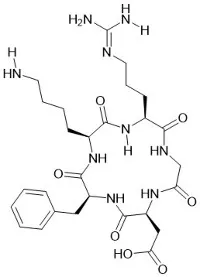
First off, let's talk about what cosmetic peptides are. Peptides are basically short chains of amino acids, which are the building blocks of proteins. In the world of cosmetics, they're used for a variety of reasons, like reducing wrinkles, improving skin elasticity, and promoting collagen production. They're like the secret agents of the skincare world, working behind the scenes to make your skin look and feel better.
Now, when it comes to sensitive skin, things get a bit tricky. Sensitive skin is more prone to irritation, redness, and other unpleasant reactions. So, the big question is, can cosmetic peptides cause these issues? Well, the answer isn't a simple yes or no.
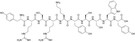
Some people with sensitive skin may find that certain peptides work great for them. For example, Palmitoyl Hexapeptide - 12 CAS 171263 - 26 - 6 is known for its ability to reduce the appearance of fine lines and wrinkles. It's a relatively gentle peptide that can be well - tolerated by many sensitive skin types. It works by relaxing the facial muscles, which in turn helps to smooth out those pesky wrinkles.
Another peptide that's often used in skincare products is Palmitoyl Tripeptide - 38 CAS 1447824 - 23 - 8. This peptide is great for stimulating collagen production. Collagen is what keeps our skin looking plump and youthful. For sensitive skin, it can be a game - changer, as long as it's formulated correctly.
Palmitoyl Tripeptide - 5 CAS 623172 - 56 - 5 is also a popular choice. It's been shown to increase the production of collagen and elastin, which are essential for maintaining skin elasticity. Sensitive skin can benefit from the improved texture and firmness that this peptide provides.
However, it's important to note that not all peptides are created equal. Some peptides may contain other ingredients or have a higher concentration that could potentially irritate sensitive skin. For example, if a peptide product also contains strong preservatives, fragrances, or other harsh chemicals, it could cause a reaction.
So, how can you tell if a peptide product is safe for your sensitive skin? Here are a few tips:
- Patch test: Before using any new peptide product on your face, do a patch test on a small area of your skin, like the inside of your wrist. Leave it on for 24 - 48 hours and see if you have any adverse reactions. If you notice redness, itching, or swelling, it's probably not a good fit for your skin.
- Read the label: Look for products that are specifically formulated for sensitive skin. Avoid products that contain known irritants, like alcohol, parabens, and synthetic fragrances.
- Start slow: If you're new to using peptides, start with a low - concentration product and gradually increase the strength as your skin gets used to it.
It's also worth mentioning that everyone's skin is different. What works for one person with sensitive skin may not work for another. So, it may take some trial and error to find the right peptide products for you.
In addition to the potential benefits for sensitive skin, cosmetic peptides also have a lot of other advantages. They're generally more natural and less invasive than some other skincare treatments, like Botox or fillers. They can also be used in combination with other skincare products to enhance their effects.
For example, you can use a peptide serum in the morning and evening, followed by a moisturizer. This can help to keep your skin hydrated and protected while the peptides work their magic.
As a cosmetic peptides supplier, I'm always looking for ways to provide high - quality products that are safe and effective for all skin types, including sensitive skin. We work closely with our manufacturers to ensure that our peptides are pure and free from any harmful substances.
If you're interested in trying out cosmetic peptides for your sensitive skin, I'd love to hear from you. We have a wide range of peptide products available, and our team of experts can help you find the right ones for your specific needs. Whether you're looking to reduce wrinkles, improve skin elasticity, or just give your skin a little boost, we've got you covered.
So, don't be afraid to give cosmetic peptides a try. With a little bit of research and some careful testing, you may just find that they're the perfect addition to your skincare routine.
If you have any questions or want to learn more about our products, feel free to reach out. We're here to help you achieve the healthy, beautiful skin you've always wanted.
References
- Smith, J. (2020). The Science of Cosmetic Peptides. Journal of Skincare Research.
- Johnson, A. (2019). Peptides and Sensitive Skin: A Comprehensive Guide. Skin Health Magazine.