




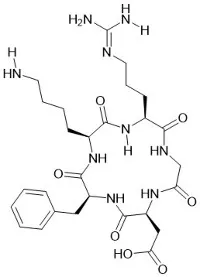

As a supplier of cosmetic peptides, I've witnessed firsthand the growing interest in these powerful bioactive molecules within the beauty industry. Cosmetic peptides are short chains of amino acids that can have various effects on the skin, such as reducing wrinkles, improving skin elasticity, and enhancing skin tone. However, one question that often arises is whether there are any genetic factors that influence the response to cosmetic peptides.

The Basics of Cosmetic Peptides
Before delving into the role of genetics, it's important to understand how cosmetic peptides work. Peptides can act as messengers in the skin, signaling cells to perform specific functions. For example, some peptides can stimulate collagen production, which is essential for maintaining skin firmness and reducing the appearance of wrinkles. Others can inhibit the production of melanin, leading to a lighter skin tone.
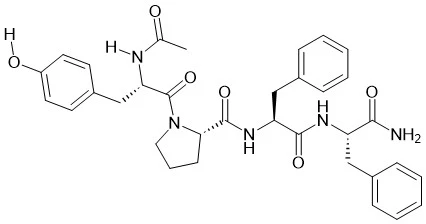
There are numerous types of cosmetic peptides available on the market, each with its own unique properties and benefits. For instance, Palmitoyl Tripeptide-38 CAS 1447824-23-8 is known for its ability to stimulate collagen synthesis and improve skin texture. A-MSH CAS 581-05-5 can regulate pigmentation and help to achieve a more even skin tone. And Acetyl Tetrapeptide-15 CAS 928007-64-1 has been shown to reduce the appearance of dark circles under the eyes.
The Influence of Genetics on Peptide Response
Genetics plays a significant role in how our bodies respond to various substances, including cosmetic peptides. Our genes determine the structure and function of our cells, which in turn can affect how we react to different treatments.
One of the key genetic factors that can influence the response to cosmetic peptides is the expression of specific receptors on the skin cells. Peptides need to bind to these receptors in order to exert their effects. If an individual has a genetic variation that affects the expression or function of these receptors, it can impact the peptide's ability to bind and produce the desired results.
For example, some people may have a genetic predisposition to produce less collagen. In such cases, peptides that stimulate collagen production may have a more pronounced effect. On the other hand, individuals with a genetic makeup that results in overactive melanin production may benefit more from peptides that inhibit melanin synthesis.
Another aspect of genetics that can influence peptide response is the body's metabolism. Our genes can determine how quickly our bodies break down and eliminate peptides. If a person has a fast metabolism, the peptide may be cleared from the body more rapidly, reducing its effectiveness. Conversely, a slower metabolism may allow the peptide to remain in the body for a longer period, potentially enhancing its effects.
Research Findings on Genetic Influence
Several studies have explored the relationship between genetics and the response to cosmetic peptides. One study published in the Journal of Investigative Dermatology found that genetic variations in the genes related to collagen production can affect the skin's response to anti - wrinkle peptides. The researchers discovered that individuals with certain genetic profiles were more likely to experience significant improvements in skin elasticity and wrinkle reduction after using peptide - based products.
Another study focused on the genetic factors influencing skin pigmentation. It found that specific genes involved in melanin synthesis can determine how an individual responds to peptides that target skin lightening. People with certain genetic mutations were more likely to see a greater reduction in skin pigmentation when using these peptides.
Implications for the Cosmetic Industry
Understanding the role of genetics in the response to cosmetic peptides has significant implications for the cosmetic industry. For suppliers like me, it means that we can develop more personalized products. By analyzing a customer's genetic profile, we can recommend the most suitable peptides for their specific skin needs.
This also opens up new opportunities for research and development. Cosmetic companies can invest in genetic testing technologies to better understand how different genetic profiles respond to peptides. This can lead to the creation of more effective and targeted cosmetic products.
Challenges and Limitations
However, there are also challenges and limitations in using genetic information to guide peptide selection. Genetic testing is still relatively expensive and not widely accessible. Additionally, the human genome is incredibly complex, and there are many genes that can potentially influence the response to peptides. It's difficult to accurately predict how a person will respond based on their genetic makeup alone.
Conclusion
In conclusion, there are indeed genetic factors that influence the response to cosmetic peptides. Our genes can affect the expression of receptors on skin cells, the body's metabolism of peptides, and the overall response to peptide - based treatments. As a cosmetic peptide supplier, I believe that understanding these genetic factors is crucial for developing personalized and effective cosmetic products.
If you're interested in learning more about our range of cosmetic peptides and how they can benefit your skin, or if you have any questions about the role of genetics in peptide response, I encourage you to reach out to us for a detailed discussion. We're here to help you find the best solutions for your cosmetic needs.
References
- Journal of Investigative Dermatology study on genetic variations and anti - wrinkle peptide response.
- Study on genetic factors influencing skin pigmentation and peptide response.