




Can peptide APIs be used in veterinary medicine?
In recent years, the use of peptide active pharmaceutical ingredients (APIs) has been a topic of growing interest in the field of medicine, both human and veterinary. As a supplier of peptide APIs, I've witnessed firsthand the potential of these substances to revolutionize various aspects of healthcare. In this blog post, I'll explore the question of whether peptide APIs can be effectively used in veterinary medicine.
Understanding Peptide APIs
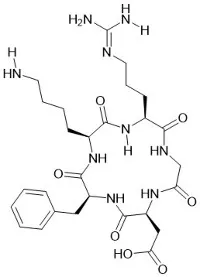
Peptides are short chains of amino acids, the building blocks of proteins. They play crucial roles in many physiological processes in living organisms, including cell signaling, immune response, and metabolism. Peptide APIs are peptides that are used as the active components in pharmaceutical products. They can be synthesized in the laboratory with high precision, allowing for the production of peptides with specific sequences and functions.
One of the key advantages of peptide APIs is their high specificity. Unlike some traditional drugs, which may have a broad range of effects on the body, peptides can be designed to target specific receptors or pathways. This means that they can potentially offer more targeted and effective treatments with fewer side effects.
Potential Applications in Veterinary Medicine
Therapeutic Uses
Peptide APIs have the potential to be used in a variety of therapeutic applications in veterinary medicine. For example, they could be used to develop drugs for the treatment of endocrine disorders. Hormone - like peptides could be synthesized to regulate the production and release of hormones in animals, helping to correct imbalances that may lead to conditions such as diabetes or thyroid disorders.
In the field of oncology, peptides could be designed to target cancer cells specifically. Some peptides have the ability to bind to receptors that are overexpressed on cancer cells, delivering cytotoxic agents directly to the tumor site. This targeted approach could improve the efficacy of cancer treatment in animals while reducing the damage to healthy tissues.
Another area where peptide APIs could be useful is in the treatment of infectious diseases. Antimicrobial peptides have been shown to have broad - spectrum activity against bacteria, fungi, and viruses. These peptides could be developed into new antibiotics or antiviral drugs for use in veterinary medicine, which is especially important given the growing problem of antibiotic resistance.
Diagnostic Applications
Peptide APIs can also be used in diagnostic applications in veterinary medicine. Peptides can be labeled with fluorescent or radioactive tags and used as imaging agents. For example, a peptide that binds to a specific biomarker associated with a disease can be injected into an animal, and then the distribution of the peptide in the body can be visualized using imaging techniques. This can help veterinarians to detect diseases at an early stage and monitor the progression of the disease over time.
Examples of Peptide APIs
There are several peptide APIs that could potentially be used in veterinary medicine. For instance, TBuO - Ste - Glu(OtBu) - OH CAS 1188328 - 39 - 3 is a peptide with unique chemical properties. Its structure may allow it to interact with specific receptors in the animal's body, which could be exploited for therapeutic or diagnostic purposes.
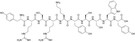
Boc - Tyr(tBu) - Aib - Glu(OtBu) - Gly - OH is another peptide API that has potential applications. The specific sequence of amino acids in this peptide may confer it with the ability to modulate certain biological processes, making it a candidate for the development of new drugs in veterinary medicine.
Boc - His(Trt) - Aib - OH CAS 2061897 - 68 - 3 is also an interesting peptide API. Its chemical structure may give it the potential to interact with specific enzymes or receptors in animals, which could be harnessed for therapeutic or diagnostic applications.
Challenges and Considerations
While the potential of peptide APIs in veterinary medicine is exciting, there are also several challenges and considerations that need to be addressed.
Stability and Delivery
Peptides are often relatively unstable in the body. They can be easily degraded by enzymes or cleared from the circulation quickly. This means that developing effective delivery systems for peptide APIs is crucial. For example, encapsulating peptides in nanoparticles or liposomes can help to protect them from degradation and improve their bioavailability.
Regulatory Approval
The regulatory process for the approval of peptide - based drugs in veterinary medicine can be complex. There are strict requirements for safety, efficacy, and quality control. Manufacturers need to conduct extensive pre - clinical and clinical trials to demonstrate the safety and effectiveness of peptide APIs before they can be approved for use in animals.
Cost
The synthesis of peptide APIs can be expensive. The cost of raw materials, the complexity of the synthesis process, and the need for strict quality control all contribute to the high cost of peptide production. This may limit the widespread use of peptide - based drugs in veterinary medicine, especially in developing countries or for the treatment of less - common diseases.
Conclusion
In conclusion, peptide APIs have significant potential for use in veterinary medicine. Their high specificity, potential for targeted therapies, and diverse range of applications make them an attractive option for the development of new drugs and diagnostic tools. However, there are also challenges that need to be overcome, such as stability, regulatory approval, and cost.
As a supplier of peptide APIs, I am committed to working with researchers and veterinarians to explore the full potential of these substances in veterinary medicine. We offer high - quality peptide APIs that meet strict quality standards, and we are constantly investing in research and development to improve the synthesis and delivery of peptides.


If you are interested in learning more about our peptide APIs or discussing potential applications in veterinary medicine, we encourage you to reach out to us for further information and to start a procurement discussion. We look forward to collaborating with you to bring the benefits of peptide - based therapies to the field of veterinary medicine.
References
- Peptide Therapeutics: Current Status and Future Directions. Nature Reviews Drug Discovery, 2018.
- Antimicrobial Peptides: An Overview of a Promising Class of Therapeutics. Frontiers in Microbiology, 2019.
- Targeted Peptide - Based Therapies for Cancer. Cancer Research, 2020.