




Antibody-drug conjugates (ADCs) have emerged as a promising class of targeted cancer therapies, combining the specificity of monoclonal antibodies with the cytotoxicity of small molecule drugs. However, one of the challenges in the development of ADCs is ensuring efficient intracellular trafficking to deliver the payload to the target site within the cell. Peptide linkers, which connect the antibody to the cytotoxic drug, play a crucial role in this process. In this blog post, we will explore whether peptide linkers can be used to enhance the intracellular trafficking of ADCs.
The Basics of ADCs and Intracellular Trafficking
ADCs are designed to selectively deliver cytotoxic drugs to cancer cells while minimizing damage to normal tissues. The antibody component of an ADC binds to specific antigens on the surface of cancer cells, facilitating internalization of the ADC through receptor-mediated endocytosis. Once inside the cell, the ADC must be trafficked to the appropriate subcellular compartment, typically the lysosome, where the linker is cleaved to release the active drug.
The efficiency of intracellular trafficking is influenced by several factors, including the stability of the linker, the mechanism of linker cleavage, and the properties of the antibody and drug. Peptide linkers have gained attention in ADC development due to their potential to improve intracellular trafficking through various mechanisms.
Peptide Linkers and Their Role in ADCs
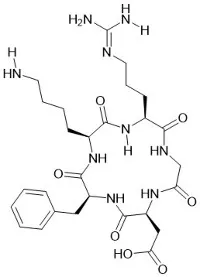
Peptide linkers are short chains of amino acids that can be engineered to have specific properties. They offer several advantages in ADC design, such as enzymatic cleavage specificity, flexibility, and the ability to incorporate functional groups.
One of the key features of peptide linkers is their susceptibility to enzymatic cleavage. Many cancer cells overexpress specific proteases, such as cathepsins, which can selectively cleave peptide linkers at specific amino acid sequences. This allows for the controlled release of the drug within the tumor microenvironment or inside the cancer cell.
For example, the Val-Cit dipeptide sequence is commonly used in peptide linkers for ADCs. It is recognized and cleaved by cathepsins B, L, and S, which are highly expressed in many cancer cells. Once the linker is cleaved, the active drug is released, leading to cell death.
Enhancing Intracellular Trafficking with Peptide Linkers
Enzymatic Cleavage and Drug Release
As mentioned earlier, the enzymatic cleavage of peptide linkers can be exploited to enhance the intracellular trafficking of ADCs. By designing linkers that are specifically cleaved by proteases overexpressed in cancer cells, the drug can be released at the target site, increasing its efficacy.
In addition, the rate of linker cleavage can be optimized to ensure that the drug is released at the appropriate time. For instance, a linker that is rapidly cleaved may lead to premature drug release, reducing the targeting specificity of the ADC. On the other hand, a linker that is too stable may prevent efficient drug release, limiting the therapeutic effect.
Linker Flexibility and Conjugate Stability
Peptide linkers can also be engineered to have different degrees of flexibility. A flexible linker can improve the conjugate's ability to adopt favorable conformations, which may enhance its binding to the target antigen and facilitate internalization.
Moreover, the stability of the ADC conjugate is crucial for its in vivo performance. A stable linker can prevent premature drug release in the bloodstream, reducing off-target toxicity. Peptide linkers can be designed to have appropriate stability through the selection of amino acid sequences and the incorporation of chemical modifications.
Functionalization of Peptide Linkers
Peptide linkers can be functionalized with various chemical groups to enhance intracellular trafficking. For example, the addition of polyethylene glycol (PEG) to a peptide linker can improve the solubility and pharmacokinetic properties of the ADC. PEGylation can also reduce the immunogenicity of the conjugate and increase its circulation half-life.
Another approach is the incorporation of targeting moieties or endosomal escape peptides into the linker. These functional groups can help the ADC navigate through the endosomal pathway and reach the cytoplasm more efficiently.
Examples of Peptide Linkers for ADCs
At our company, we offer a range of peptide linkers for ADCs, each with unique properties and applications. Here are some examples:
- Azido-PEG3-Val-Cit-PAB-OH: This linker contains a PEG spacer and an azido group, which can be used for further conjugation or labeling. The Val-Cit sequence allows for enzymatic cleavage by cathepsins, leading to drug release.
- Boc-Val-Cit-PAB-OH: The Boc protecting group can be removed to expose the reactive amino group for conjugation. The Val-Cit sequence provides specific cleavage by proteases, making it suitable for targeted drug delivery.
- Acetylene-linker-Val-Cit-PABC-MMAE: This linker is pre-conjugated with the cytotoxic drug MMAE. The acetylene group can be used for click chemistry conjugation, and the Val-Cit sequence enables efficient drug release inside the cell.
Conclusion
Peptide linkers have the potential to enhance the intracellular trafficking of ADCs through various mechanisms, including enzymatic cleavage, linker flexibility, and functionalization. By carefully designing peptide linkers, the efficiency of drug delivery to cancer cells can be improved, leading to enhanced therapeutic efficacy and reduced toxicity.
As a leading supplier of peptide linkers for ADCs, we are committed to providing high-quality products and innovative solutions to support the development of next-generation ADC therapies. If you are interested in learning more about our peptide linkers or discussing potential applications in your research or development projects, please feel free to contact us for a procurement discussion.
References
- Ducry, L., & Stump, B. (2010). Antibody-drug conjugates: linking cytotoxic payloads to monoclonal antibodies. Bioconjugate Chemistry, 21(1), 5-13.
- Alley, S. C., Okeley, N. M., & Senter, P. D. (2010). Antibody-drug conjugates: targeted drug delivery for cancer. Current Opinion in Chemical Biology, 14(1), 52-60.
- Junutula, J. R., et al. (2008). RC48, an antibody-drug conjugate targeting HER2, demonstrates potent antitumor activity in preclinical models. Clinical Cancer Research, 14(17), 5381-5389.