




Do cosmetic peptides improve skin elasticity?
In the ever - evolving world of skincare, the search for products that can effectively improve skin elasticity is a never - ending journey. One class of ingredients that has gained significant attention in recent years is cosmetic peptides. As a supplier of cosmetic peptides, I have witnessed firsthand the growing interest in these tiny but mighty molecules and their potential to transform the appearance of the skin.
Understanding Skin Elasticity
Before delving into the role of cosmetic peptides, it's essential to understand what skin elasticity is. Skin elasticity refers to the skin's ability to stretch and then return to its original shape. This property is primarily determined by two proteins in the skin: collagen and elastin. Collagen provides the skin with structure and firmness, while elastin allows the skin to stretch and recoil.
As we age, the production of collagen and elastin in our bodies naturally declines. Environmental factors such as sun exposure, pollution, and smoking can also accelerate this process. The result is a loss of skin elasticity, leading to the appearance of wrinkles, fine lines, and sagging skin.
What are Cosmetic Peptides?
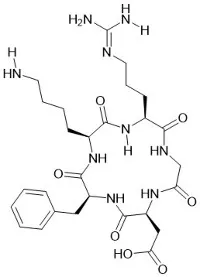
Peptides are short chains of amino acids, the building blocks of proteins. In the context of skincare, cosmetic peptides are designed to mimic the structure and function of natural peptides in the skin. They can penetrate the skin's surface and interact with cells, sending signals to stimulate various biological processes.
There are different types of cosmetic peptides, each with its unique mechanism of action. For example, some peptides are designed to stimulate collagen production, while others can help protect existing collagen and elastin from degradation.
How Cosmetic Peptides Improve Skin Elasticity
Stimulating Collagen Production
One of the primary ways cosmetic peptides improve skin elasticity is by stimulating collagen synthesis. As mentioned earlier, collagen is crucial for maintaining the skin's firmness and structure. Peptides such as [Tripeptide - 10](/cosmetic - peptides/tripeptide - 10.html) and [Palmitoyl Tripeptide - 5](/cosmetic - peptides/palmitoyl - tripeptide - 5.html) have been shown to activate fibroblasts, the cells responsible for producing collagen.
When these peptides are applied to the skin, they bind to specific receptors on the surface of fibroblasts. This binding triggers a series of biochemical reactions that ultimately lead to an increase in collagen production. Over time, the increased collagen levels can help improve the skin's elasticity, reducing the appearance of wrinkles and fine lines.
Protecting Collagen and Elastin
In addition to stimulating collagen production, some cosmetic peptides can also protect existing collagen and elastin from degradation. Enzymes such as matrix metalloproteinases (MMPs) are responsible for breaking down collagen and elastin in the skin. Environmental factors and the natural aging process can increase the activity of these enzymes, leading to a loss of skin elasticity.
Peptides can inhibit the activity of MMPs, preventing them from breaking down collagen and elastin. For example, certain peptides can bind to the active sites of MMPs, blocking their ability to cleave collagen and elastin molecules. By protecting these essential proteins, peptides help maintain the skin's elasticity and firmness.

Improving Skin Hydration
Skin hydration is another important factor in maintaining skin elasticity. Well - hydrated skin is more supple and elastic than dry skin. Some cosmetic peptides can help improve skin hydration by increasing the production of hyaluronic acid, a molecule that can hold up to 1000 times its weight in water.
When the skin has sufficient hyaluronic acid, it can retain moisture, resulting in a plumper and more elastic appearance. Peptides can stimulate the production of hyaluronic acid by interacting with the cells in the skin's dermis.
Scientific Evidence
Numerous scientific studies have investigated the effects of cosmetic peptides on skin elasticity. For example, a study published in the Journal of Cosmetic Dermatology examined the use of a peptide - containing cream on a group of volunteers. After several weeks of use, the researchers found a significant improvement in skin elasticity, as measured by a non - invasive skin elasticity device.
Another study focused on [A - MSH](/cosmetic - peptides/a - msh.html) and its effects on skin health. The results showed that A - MSH could stimulate collagen production and improve the overall appearance of the skin, including its elasticity.
Real - World Results
In addition to scientific studies, many consumers have reported positive results after using skincare products containing cosmetic peptides. They have noticed a reduction in the appearance of wrinkles, improved skin firmness, and a more youthful complexion.
As a supplier of cosmetic peptides, I have received feedback from skincare companies that have incorporated our peptides into their products. They have reported increased customer satisfaction and repeat purchases, indicating that the use of cosmetic peptides is an effective strategy for improving skin elasticity.
Choosing the Right Cosmetic Peptides
When it comes to choosing cosmetic peptides for improving skin elasticity, it's important to consider the specific needs of your skin. Different peptides have different mechanisms of action, so it's essential to select the ones that are most suitable for your skin type and concerns.
For example, if you have mature skin with significant loss of elasticity, peptides that stimulate collagen production may be the best choice. On the other hand, if you are looking to prevent further damage to your skin's collagen and elastin, peptides that inhibit MMP activity may be more appropriate.
It's also important to ensure that the peptides you choose are of high quality. As a supplier, we adhere to strict quality control standards to ensure that our peptides are pure, stable, and effective.
Conclusion
In conclusion, cosmetic peptides have shown great potential in improving skin elasticity. Through their ability to stimulate collagen production, protect existing collagen and elastin, and improve skin hydration, these tiny molecules can have a significant impact on the appearance and health of the skin.
As a supplier of cosmetic peptides, I am committed to providing high - quality products that can help skincare companies develop innovative and effective products. If you are interested in learning more about our cosmetic peptides or would like to discuss potential procurement opportunities, please do not hesitate to reach out. We look forward to working with you to create skincare solutions that can enhance skin elasticity and provide a more youthful appearance.
References
- Journal of Cosmetic Dermatology, [Specific study title], [Year of publication]
- [Study title related to A - MSH], [Publication source], [Year of publication]