




Hey there! As a supplier of cosmetic peptides, I've seen a growing interest in how these tiny but mighty molecules impact skin pigmentation. In this blog, we're going to dive deep into the world of cosmetic peptides and explore their effects on skin color.
Let's first understand what skin pigmentation is all about. Skin pigmentation is mainly determined by a pigment called melanin. Melanin is produced by cells called melanocytes, which are found in the basal layer of the epidermis. There are two main types of melanin: eumelanin, which is responsible for brown - black colors, and pheomelanin, which gives a red - yellow hue. The amount and type of melanin produced can be affected by various factors such as genetics, sun exposure, hormonal changes, and inflammation.
Now, let's talk about cosmetic peptides and how they fit into this picture. Peptides are short chains of amino acids, and they can act as messengers in the body. In the context of skin, they can communicate with skin cells and influence various biological processes, including those related to pigmentation.
One way cosmetic peptides impact skin pigmentation is by regulating the activity of tyrosinase. Tyrosinase is an enzyme that plays a crucial role in the production of melanin. When tyrosinase is over - active, it can lead to an overproduction of melanin, resulting in conditions like hyperpigmentation, including age spots, sunspots, and melasma.
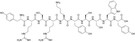
Some peptides work by inhibiting tyrosinase. For example, Hexapeptide-11 CAS 161258-30-6 has been found to have an inhibitory effect on tyrosinase. By blocking the activity of this enzyme, it reduces the production of melanin, which can help to lighten dark spots and even out skin tone.
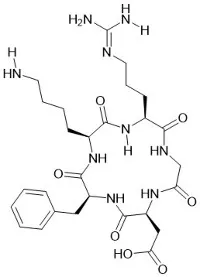
Another mechanism is through the regulation of melanocyte proliferation. Melanocytes can multiply under certain conditions, leading to an increased production of melanin. Peptides can interfere with the signals that cause melanocyte proliferation. Pentapeptide-3 CAS 725232-44-0 is thought to have a role in modulating the signaling pathways related to melanocyte growth. By controlling the number of melanocytes, it can have an impact on overall skin pigmentation.
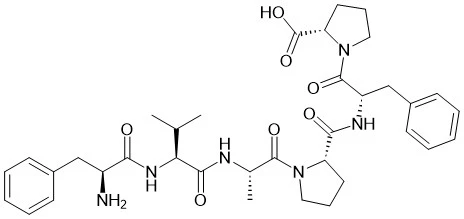
Peptides can also influence the transfer of melanosomes. Melanosomes are the structures that contain melanin, and they are transferred from melanocytes to keratinocytes, the most common cells in the epidermis. Disrupting this transfer process can reduce the amount of melanin in the outer layers of the skin. Pentapeptide-18 CAS 69558-55-0 may act on this transfer mechanism, helping to prevent the excessive pigmentation of the skin.
It's not just about reducing pigmentation, though. In some cases, where there is a lack of pigmentation, such as in vitiligo, certain peptides may potentially be used to stimulate melanin production. However, the research in this area is still in its early stages.
One of the great things about cosmetic peptides is their relatively high safety profile. Compared to some traditional skin - lightening ingredients like hydroquinone, which can have potential side effects such as skin irritation and even long - term skin damage, peptides are generally well - tolerated by the skin. They are also more targeted in their action, which means they can have a more specific impact on the pigmentation - related processes without causing widespread damage to the skin.
When formulating skincare products with peptides to target pigmentation, it's important to consider a few factors. First, the concentration of the peptide matters. Different peptides have different optimal concentrations for maximum efficacy. Too low a concentration may not produce the desired results, while too high a concentration could potentially lead to skin reactions.
The stability of peptides is another crucial aspect. Peptides can be sensitive to factors such as pH, temperature, and exposure to light. Manufacturers need to ensure that the formulation protects the peptides from degradation so that they can remain active on the skin.
Combining peptides with other skin - friendly ingredients can also enhance their effectiveness. For example, antioxidants like vitamin C and vitamin E can work in tandem with peptides to not only reduce pigmentation but also protect the skin from further damage.
Now, if you're in the business of developing skincare products that target skin pigmentation, or if you're just interested in learning more about how these peptides can be incorporated into your offerings, I'm here to help. As a cosmetic peptide supplier, I can provide you with high - quality peptides that have been tested and proven to have an impact on skin pigmentation.

We've done the research and we know which peptides work best for different pigmentation concerns. Whether you're looking for a solution to lighten dark spots or to address more complex pigmentation issues, we have the right peptides for you.
If you're interested in discussing the potential of using our cosmetic peptides in your products, don't hesitate to reach out. We can have a chat about your specific needs, and I can provide you with samples so that you can see the results for yourself.
In conclusion, cosmetic peptides offer a promising avenue for addressing skin pigmentation issues. Their ability to target specific biological processes related to melanin production, transfer, and melanocyte activity makes them a valuable addition to the skincare industry. So, if you're looking to develop innovative and effective skincare products, consider incorporating our cosmetic peptides into your formulations.
References
- "Peptides in Cosmetics: A Review of Their Applications and Efficacy." Journal of Cosmetic Dermatology.
- "The Role of Tyrosinase Inhibitors in Skin Pigmentation." International Journal of Cosmetic Science.
- "Regulation of Melanocyte Function by Peptides." Pigment Cell & Melanoma Research.